Chile
Caleta Tortel
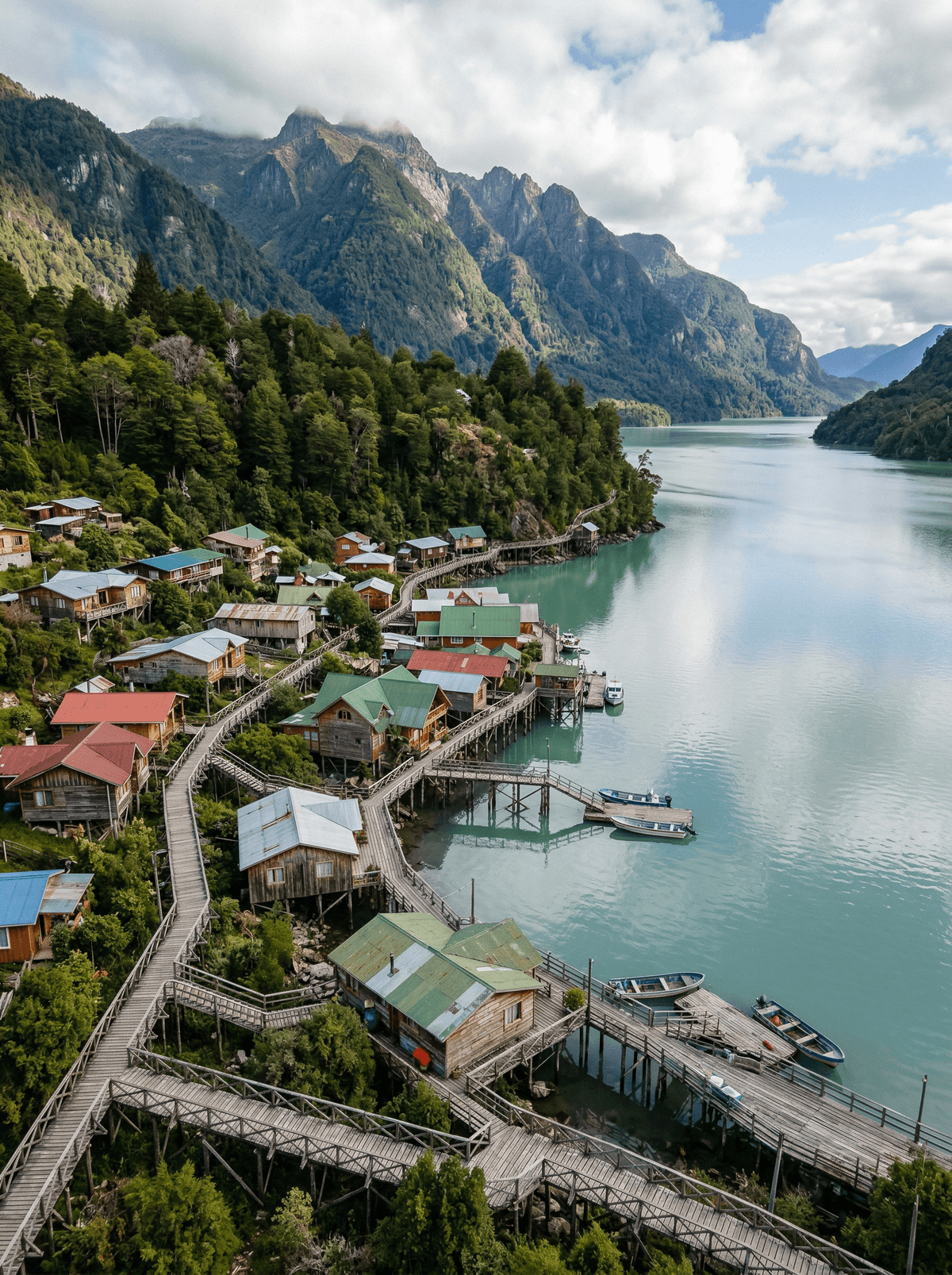
Cypress boardwalks lace a hillside village above a pale glacial river mouth.
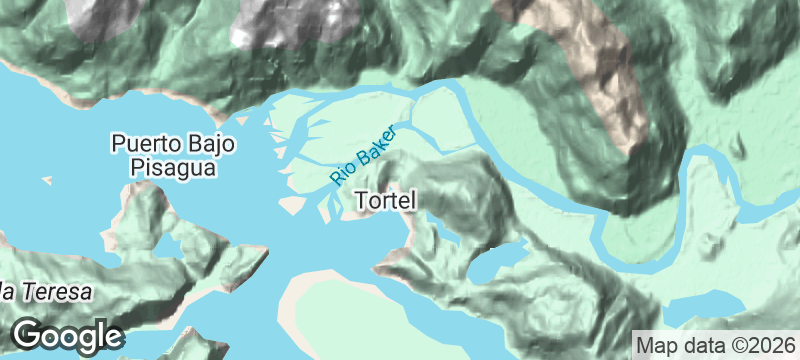
Wooden steps climb between houses while the Baker's pale water spreads beneath the hill. Footfalls, gulls and rain replace the sound of traffic.
Tortel's public boardwalks serve as streets, connecting waterfront, homes and viewpoints across the slope. Road access has changed its isolation, yet limited services and Patagonian weather still reward deliberate planning. The network and local history deserve hours on foot before any boat excursion.
Solo
Leave luggage at the accommodation and spend hours following the public boardwalk network on foot.
Couple
Share the river viewpoints at an unhurried pace before choosing whether conditions suit a boat trip.
- Caleta Tortel’s public boardwalks replace ordinary streets and link homes, viewpoints and the waterfront.
- Road access now reaches the village, while limited services and Patagonian weather still reward advance planning.
- The boardwalk network, local history and nearby water excursions easily support a dedicated stop.
Tortel's carbonada de machas and smoked-meat porotos con locro won national recognition in the Ministry of Cultures' Menú de Chile.
Smoking meat was the loggers' way of keeping it in the rainforest — thrift turned into identity.
Manuel Antonio
Costa Rica
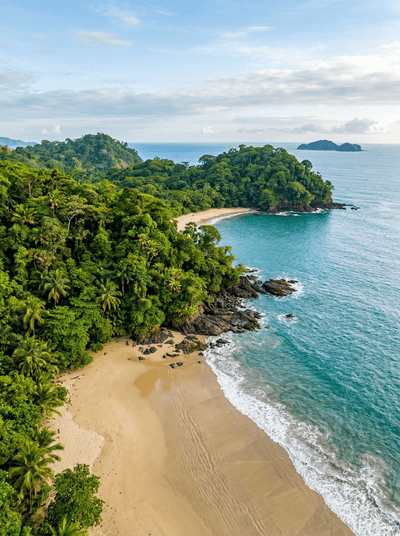
Capuchins patrol the sand beneath dozing sloths where rainforest walks into the ocean.
Tortuguero
Costa Rica
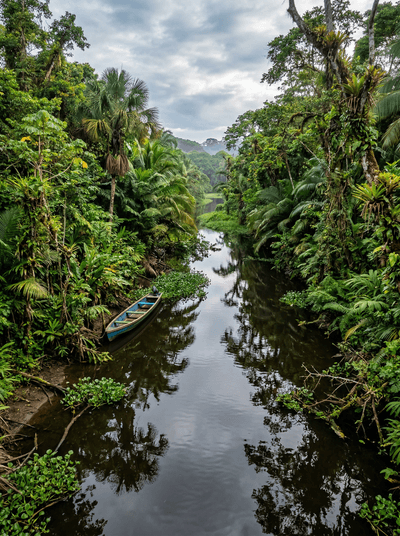
Jungle canals where green sea turtles haul onto black volcanic sand under a moonless sky.
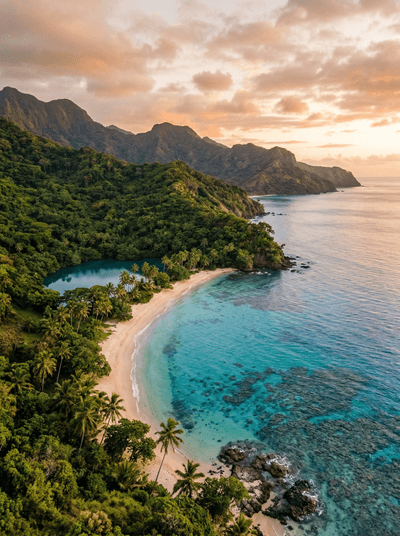
Kadavu
Fiji
Manta rays circle the world's fourth-largest barrier reef, off villages the road barely reaches.
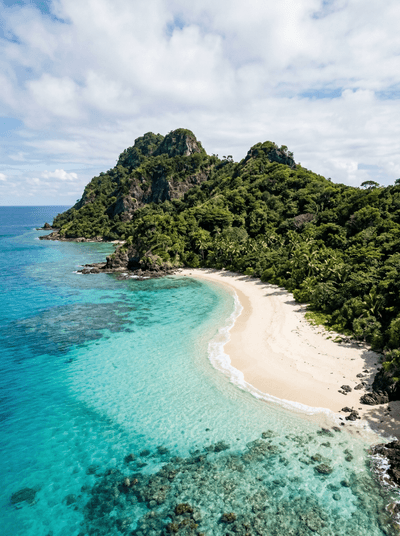
Monuriki
Fiji
The island from Cast Away truly belongs to crested iguanas brought back from the brink.
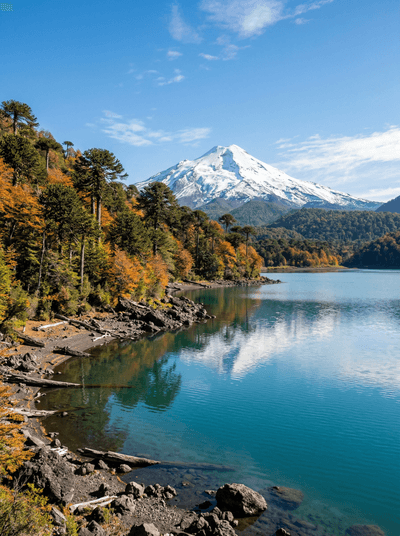
Parque Nacional Conguillío
Chile
Araucaria crowns stand over black lava and clear lakes beneath Volcán Llaima.
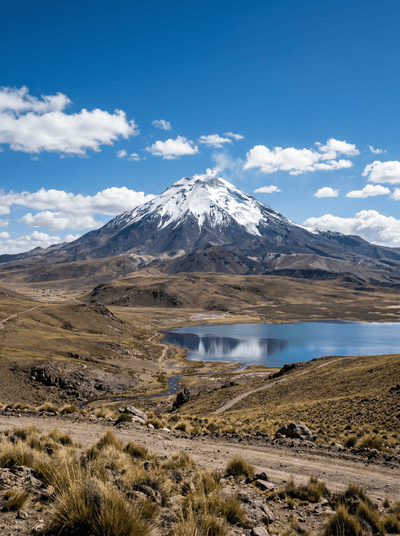
Parque Nacional Volcán Isluga
Chile
Volcanic horizons and high wetlands surround living Aymara settlements in the altiplano.
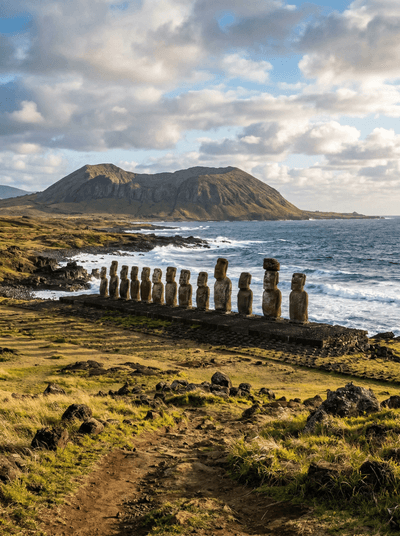
Rapa Nui (Easter Island)
Chile
Moai, grassed craters and a living Polynesian culture meet in the open Pacific.
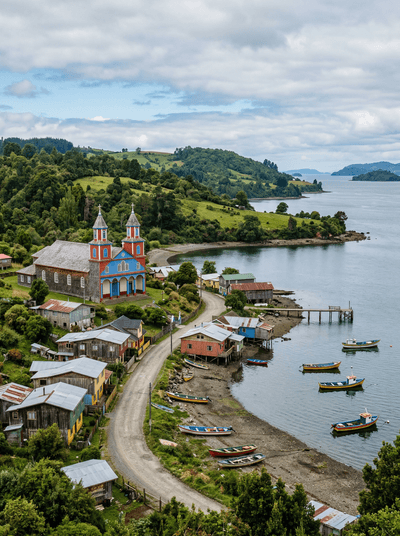
Isla Chiloé (Tenaún)
Chile
Three timber towers rise above a quiet Chilote waterfront.