New Zealand
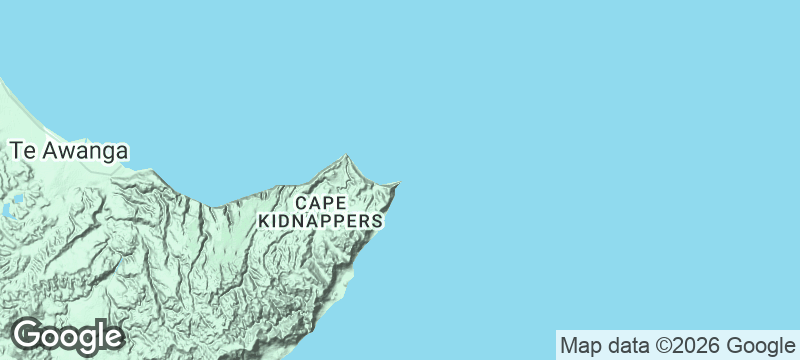
Cape Kidnappers
Thousands of gannets crowd crumbling sandstone above a coast Cook named in anger.
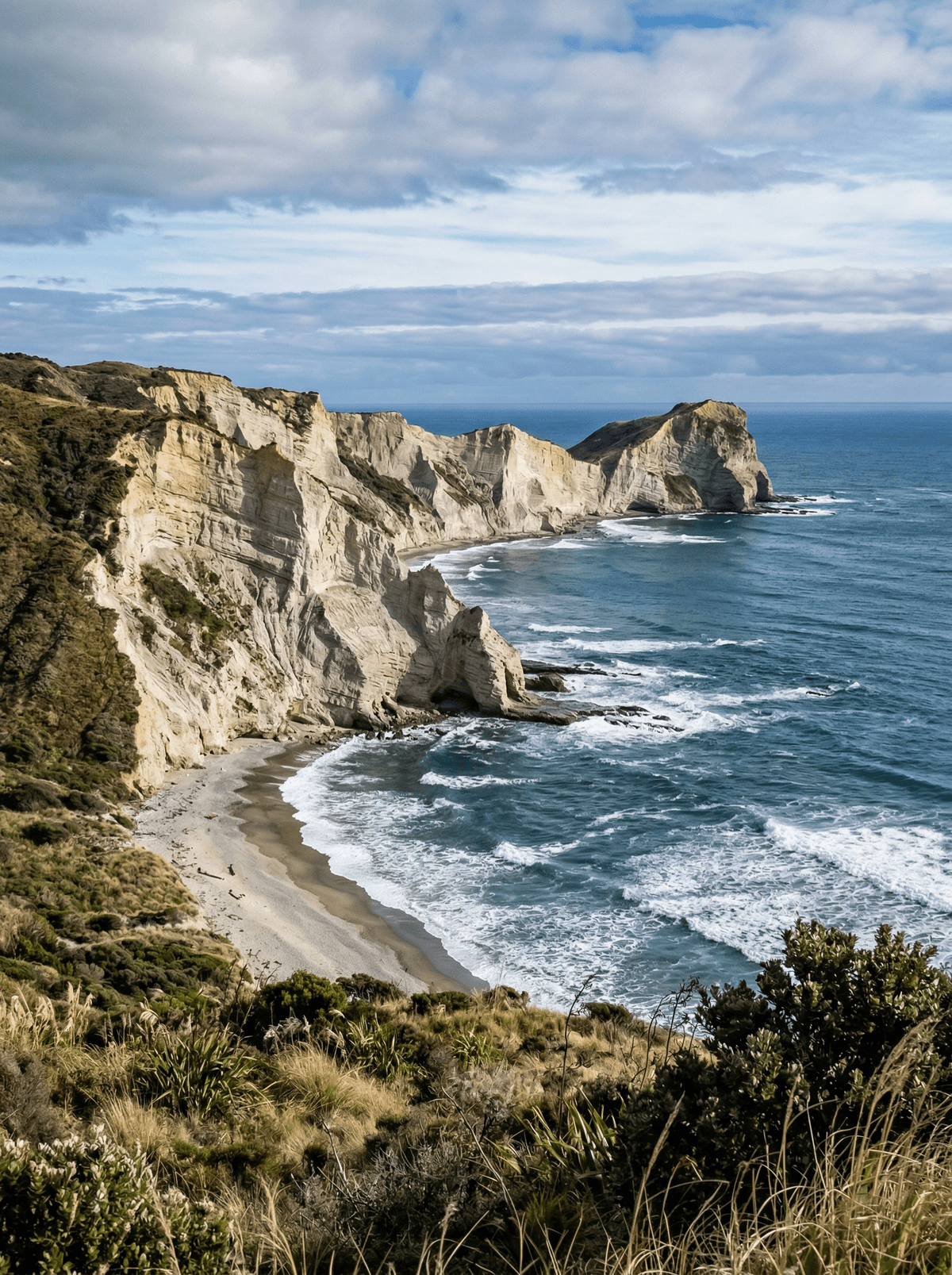
The noise arrives before the birds do. At the tip of Cape Kidnappers, thousands of Australasian gannets crowd the sandstone headland — among the largest and most reachable mainland colonies anywhere — close enough that the wind off their wings becomes part of the encounter.
The colony commands eroding sandstone at the tip of a long private-farmland cape, and the sound way in is over the top, guided across the working farm to the clifftop, adding the geology — strata striped through millions of years — and the story, including the fraught 1769 encounter with Cook's ship that fixed the cape's name. The old low-tide beach route beneath the cliffs belongs to a riskier era; erosion has made those walls dangerous company, and the guided track needs no tide table. At the top, respectful distances still apply — the birds are wild, their calendar seasonal: returning from July, chicks from November, the whole colony wheeling and squabbling until the year's departure. The Te Awanga coast below adds vineyards and long lunches.
Solo
The clifftop hours among wheeling gannets — sensory saturation of the finest kind — with the farm crossing as overture.
Couple
Cliff views, colony noise and a Te Awanga vineyard lunch after — a full shared day at coastal pace.
Family
The overland route brings families to the colony's edge — distances held, and the gannets' indifference delighting every age.
- Among the largest mainland gannet colonies anywhere, crowding the headland's edge.
- The guided overland way in crosses the working farm — no tide gamble beneath the cliffs.
- The sandstone strata stripe millions of years down the cape's face.
- Gannets return from July, chicks crowd the nests from November.
Estate lamb and vineyard views on the cape's farmland after the colony.
Oysters shucked at a Te Awanga winery table below the cliffs.
Nämforsen
Sweden
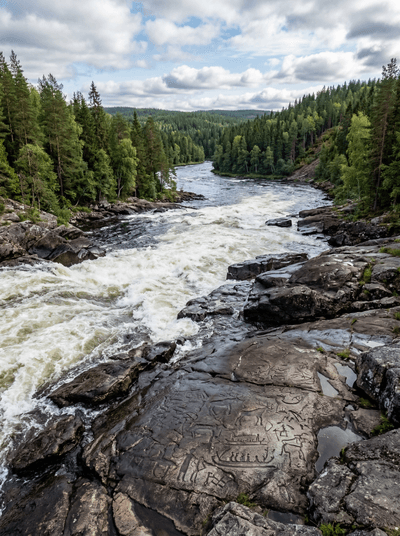
Thousands of carvings chiselled into river granite across four millennia of belief.
Lyme Regis
England
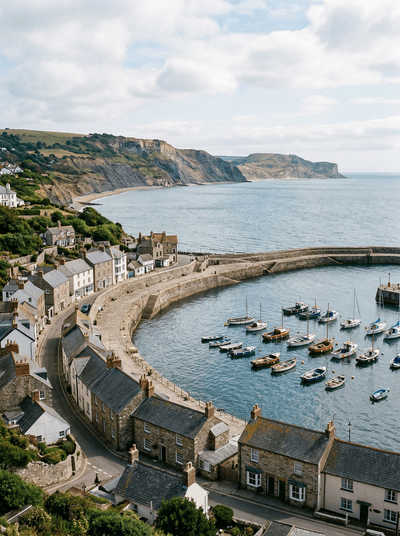
Ammonites tumble from crumbling cliffs onto a beach that rewrites prehistory daily.
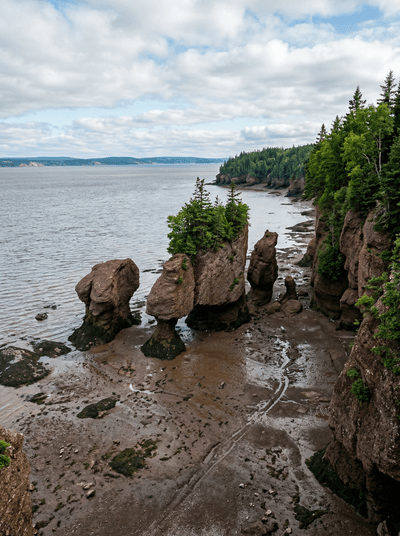
Bay of Fundy
Canada
The world's highest tides drain whole bays twice daily, uncovering sea caves and flowerpot rocks.
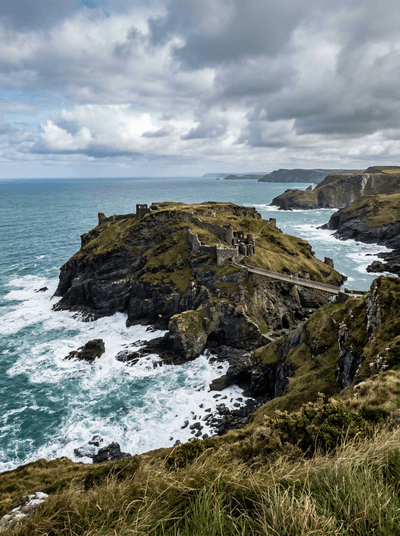
Tintagel
England
Cliff-edge ruins where Arthurian legend bleeds into the sea spray and the rock face.
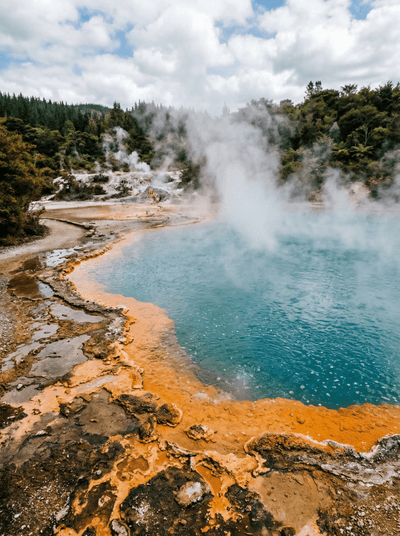
Wai-O-Tapu
New Zealand
Champagne-fizzing pools and sulphur-green water in a landscape that smells of hell.
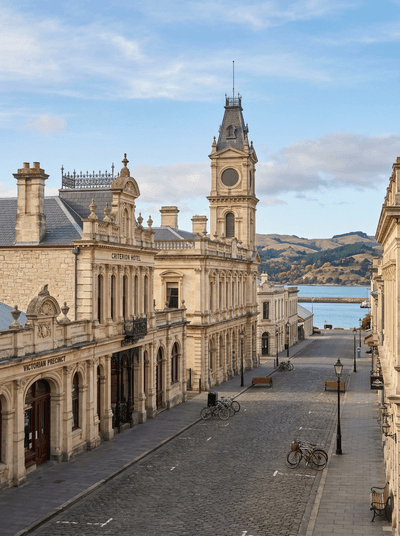
Oamaru
New Zealand
Victorian limestone streets host a steampunk imagination while penguins parade at dusk.
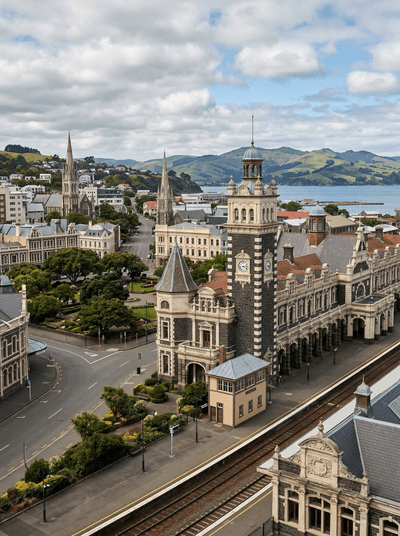
Dunedin
New Zealand
A Scottish-built city with the world's steepest street and albatrosses on the headland.
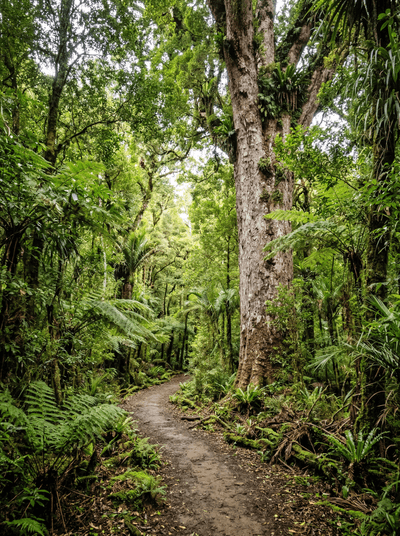
Waipoua Forest
New Zealand
A kauri wider than a house has stood here since before living memory began.