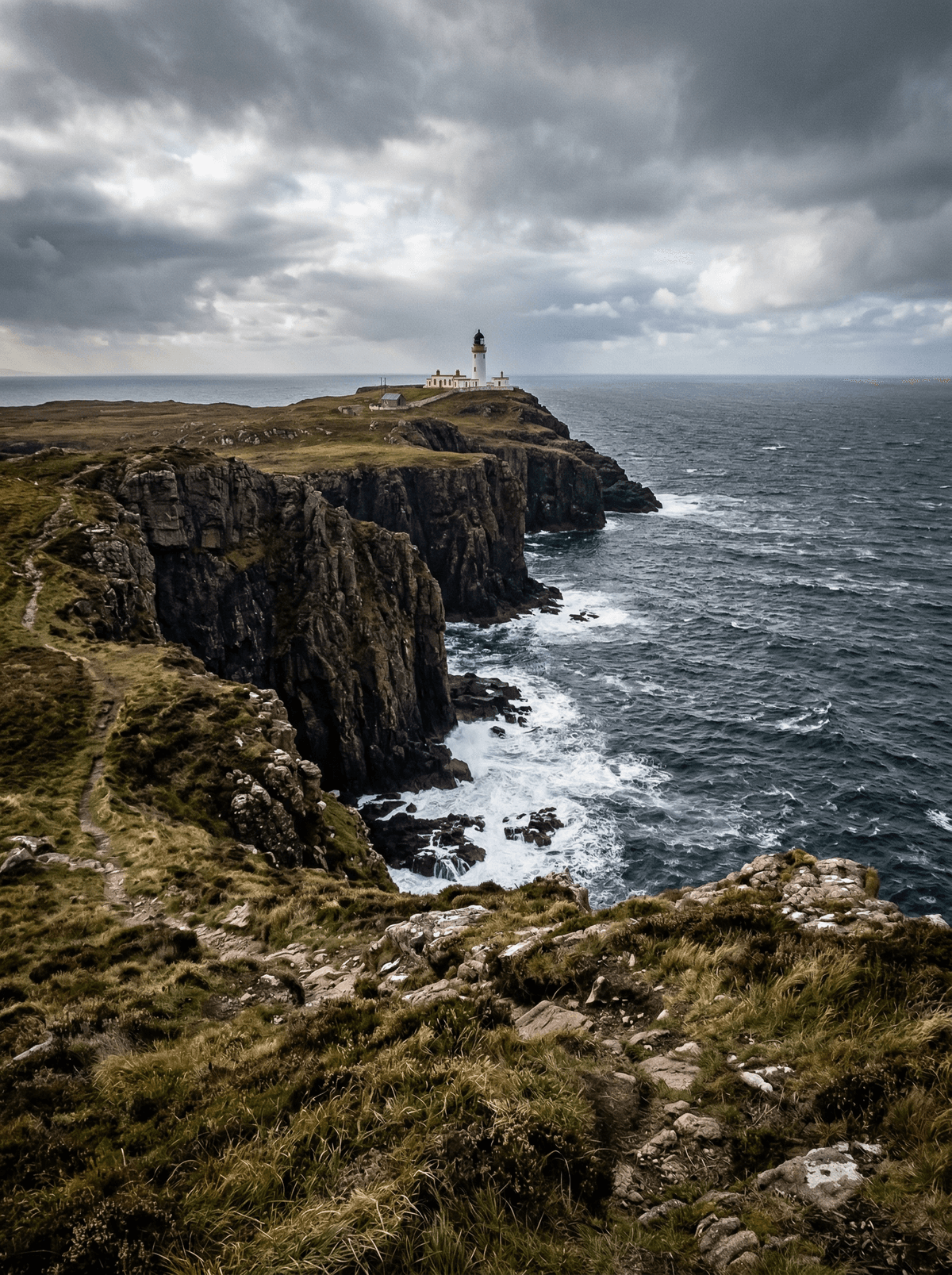
Scotland
Cape Wrath
Britain's north-west corner — a lighthouse beyond a live bombing range, at the end of everything.
A passenger ferry across the Kyle of Durness, then a minibus over a road that feels borrowed from the moor — that is the sole route to Cape Wrath, Britain's remote north-western extremity. The lighthouse has stood since 1828 on cliffs where the Atlantic rounds into the northern seas in a permanent state of argument.
Cape Wrath is the most north-westerly point of the British mainland, its name from the Old Norse 'hvarf' — turning point — for the headland where Viking ships rounded Scotland's corner. The Ministry of Defence fires across a hundred-odd square kilometres of surrounding moor as a live range, which is why no public road goes there and why the whole cape closes when firing is on — the red flags are not decorative. The summer-only ferry-and-minibus run operates when weather, tide and range conditions all agree, and that conditionality belongs to the trip: every arrival feels earned. The lighthouse stands 120 metres above the sea on cliffs where fulmars, razorbills and puffins nest, and the Cape Wrath Trail — two hundred miles of rough walking from Fort William — ends at its wall.
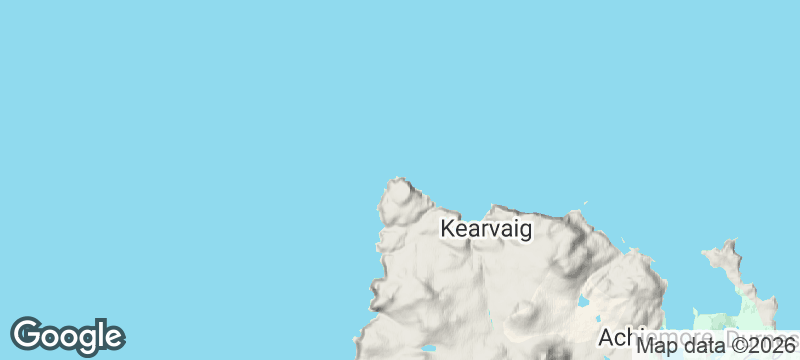
Solo
The Cape Wrath Trail's final miles, arriving at the lighthouse after days of walking, ranks among Britain's great solo achievements — and even the ferry-and-minibus day trip rewards the determined lone traveller.
- A ferry and a minibus are the only way to Britain's remote north-western corner.
- The moors around the cape are a live military range — closed signs mean it.
- The 1828 lighthouse tops cliffs where two seas collide in permanent argument.
- Vikings named this 'hvarf' — the turning point — as they rounded Scotland.
A flask and sandwiches beside the lighthouse wall, two seas arguing below.
Fresh crab back in Durness after the crossing — the day's first real meal.
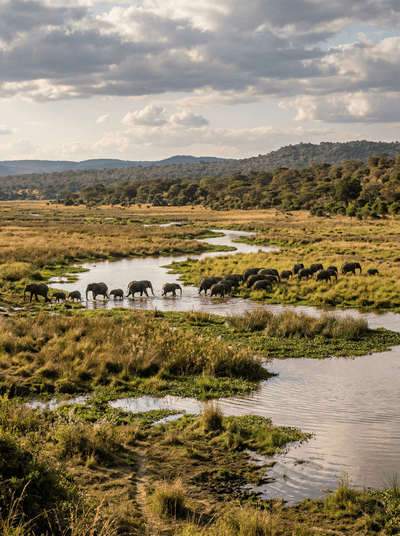
Moyowosi Game Reserve
Tanzania
Sitatunga wade a papyrus labyrinth on a flyway most birders never reach.
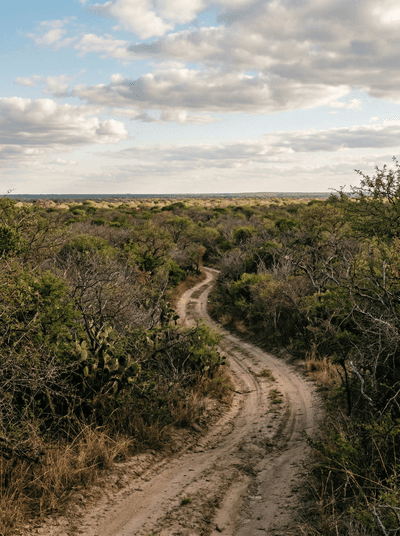
El Impenetrable
Argentina
Thorn forest so dense it stopped colonial armies, sheltering jaguars in the wild Chaco.
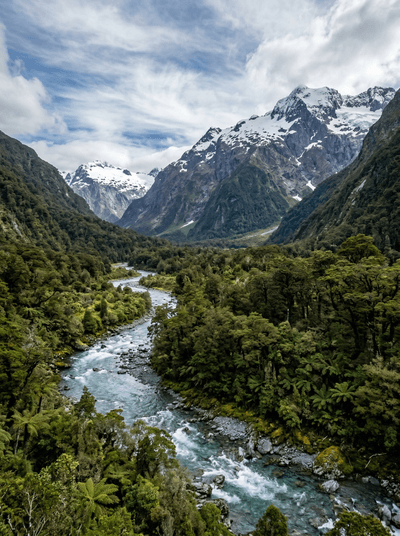
Hollyford Valley
New Zealand
A valley so remote that a bush airstrip is the alternative to days on foot.
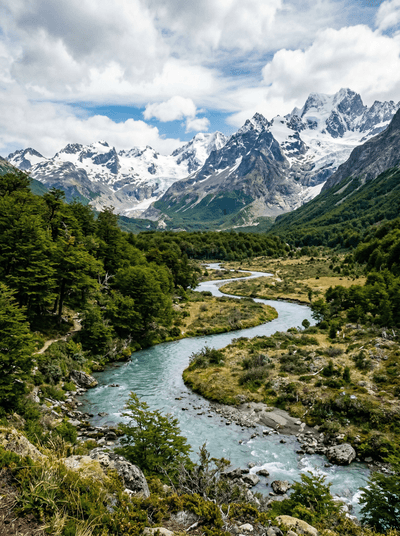
Parque Nacional Yendegaia
Chile
Fjords and lenga forest valleys climb toward the Cordillera Darwin at Tierra del Fuego's edge.
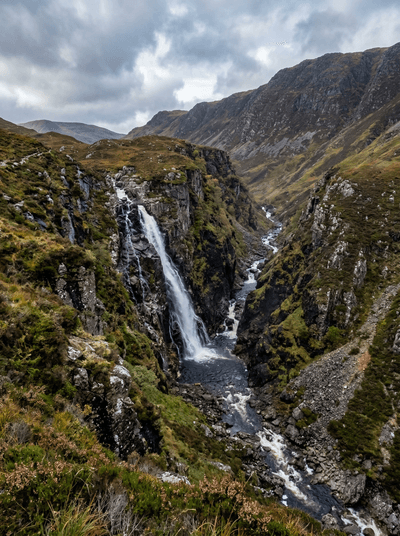
Falls of Glomach
Scotland
A 113-metre waterfall hidden in a gorge so remote the walk in takes half a day.
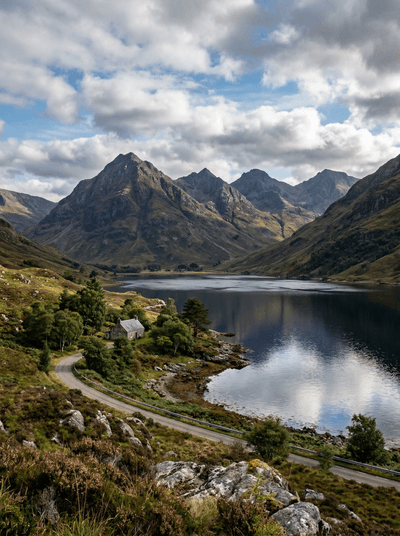
Kintail
Scotland
Five ridges fall in parallel from cloud into the sea loch like a giant hand opening.
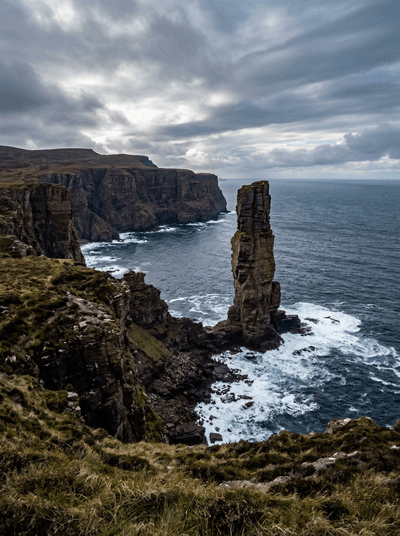
Hoy
Scotland
A 137-metre sandstone stack stands alone in the Atlantic, defying every storm thrown at it.
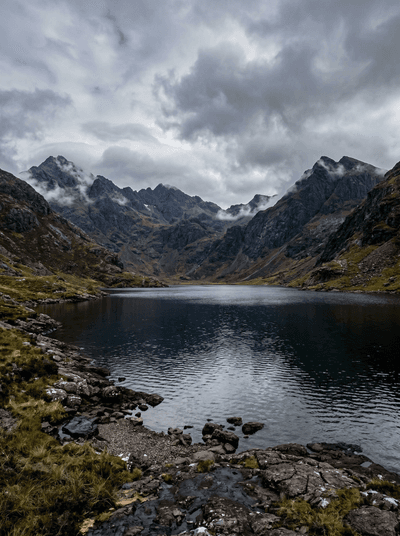
Loch Coruisk
Scotland
A loch locked inside the Cuillin mountains, reachable only by sea, the water black and still.