Chile
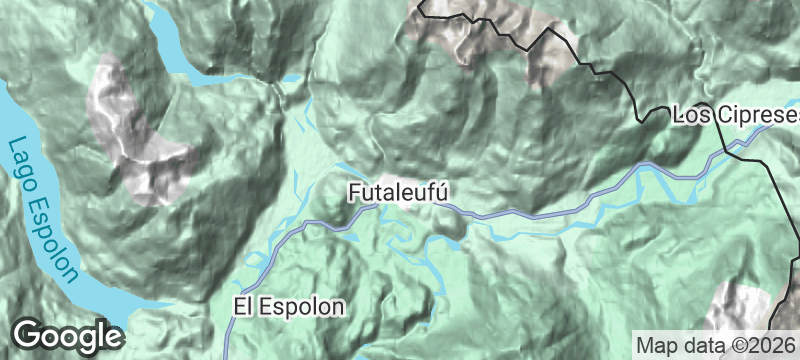
Futaleufú
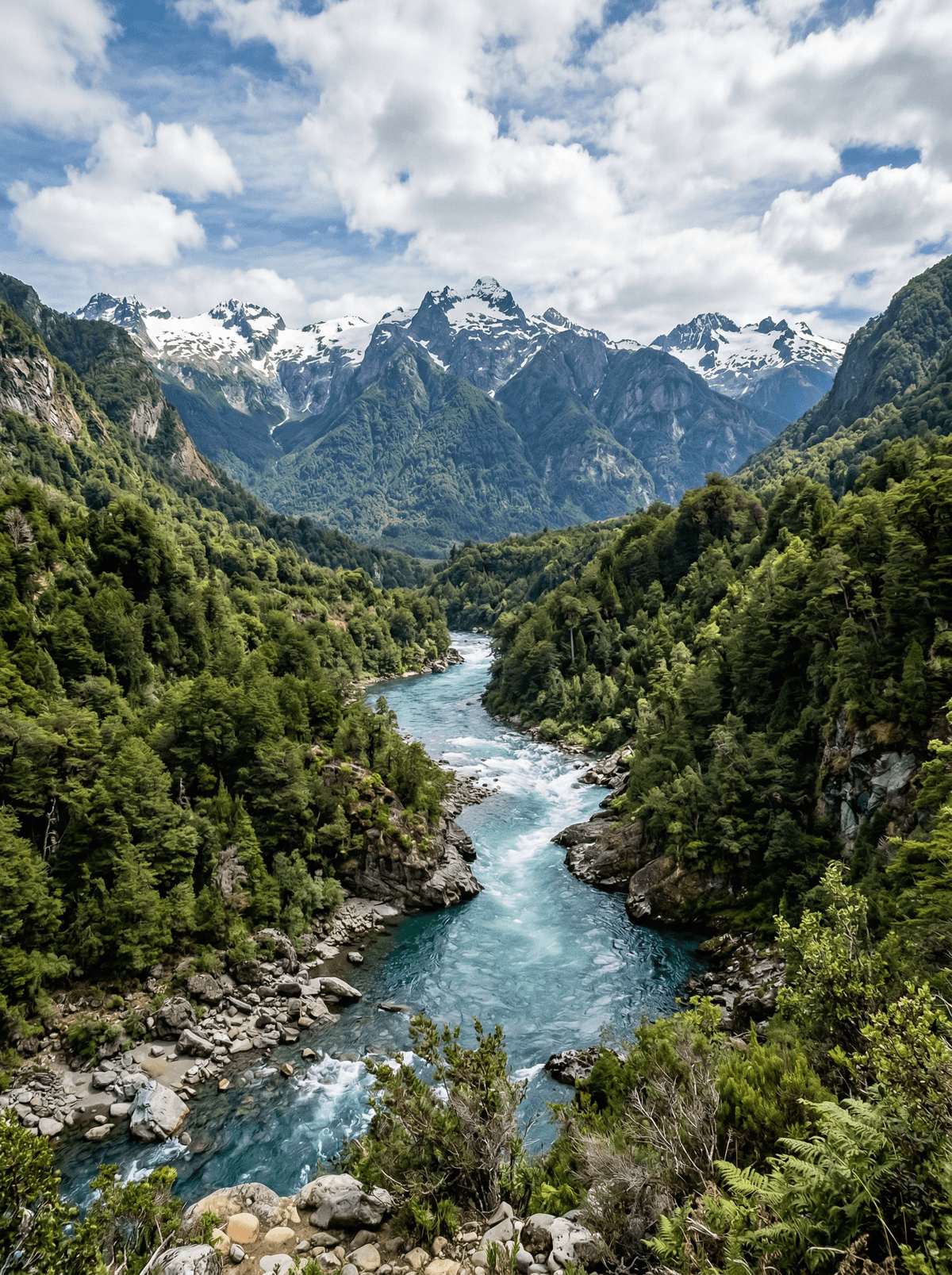
Turquoise water folds into white rapids beneath forested Patagonian mountains.
From the bank, deep blue-green pools tighten into white water around dark boulders. The roar carries back towards a small town built around the river.
Registered operators match river sections to ability, with water level deciding what is possible each day. Hiking, lakes and horse routes give the valley substance beyond rafting. The best stay lets water conditions guide one day while keeping a land-based plan ready.
Friends
A registered rafting day binds the group to one challenge, with lakes and trails ready for changing water.
Couple
Pair one river experience with a quiet lake or mountain walk away from the raft crews.
- Futaleufú supports registered rafting and kayaking operations on a river renowned for technical white water.
- The town also anchors hiking, lake and horse-riding activities, giving non-rafters a substantial programme.
- River levels and operator safety decisions determine which sections run on any day.
At Río Azul's El Arriero festival the community grills asado de vaquilla and sells empanadas to live music.
The rincón dulce — the festival's sweets corner — and its confites carry the campo table's other half.
Gorges du Tarn
France
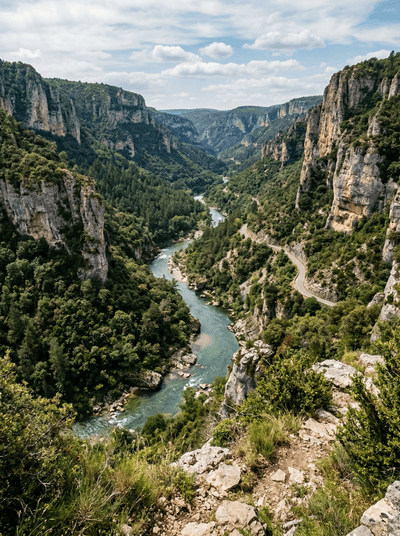
Emerald water snaking between limestone walls hundreds of metres high while vultures circle overhead.
Derawan Islands
Indonesia
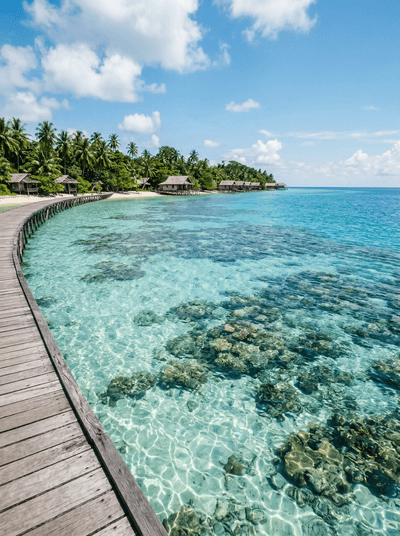
Stingless jellyfish drift in a landlocked lake while green turtles nest on the next island.
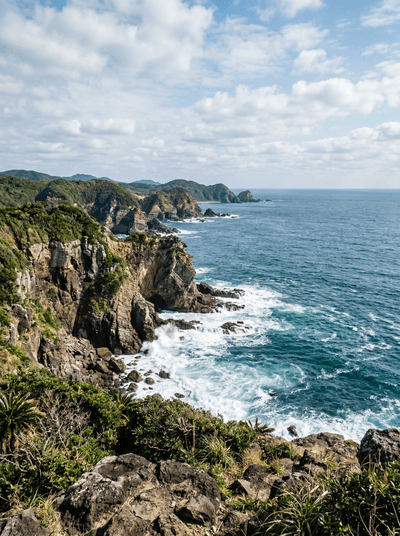
Tanegashima
Japan
A surf island where Japan launches rockets and Portuguese sailors first brought guns.
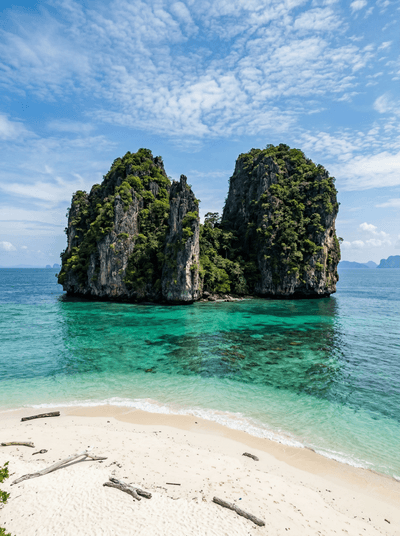
Ko Lao Liang
Thailand
Twin limestone towers sheer out of the Andaman, guarded for their swiftlet nests.
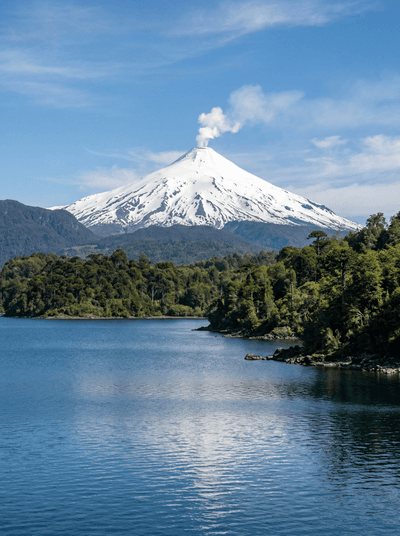
Volcán Villarrica
Chile
Villarrica's monitored cone rises above Pucón, snow-bright and visibly alive.
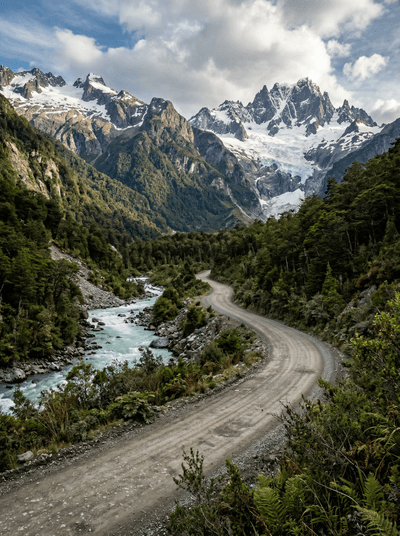
Carretera Austral
Chile
Ferries and gravel carry Route 7 through more than 1,200 kilometres of green Patagonia.
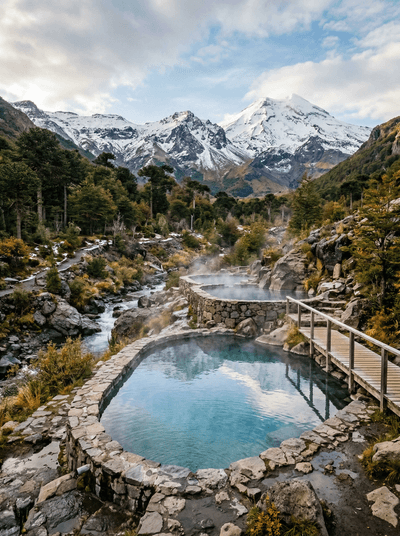
Termas de Chillán
Chile
Steam rises off sulphur-warmed pools set high on a live volcanic massif.
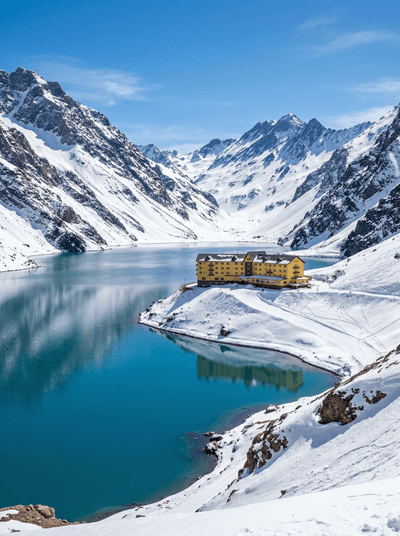
Portillo
Chile
A yellow hotel faces Laguna del Inca high in an Andean pass.