Vanuatu
Futuna Island
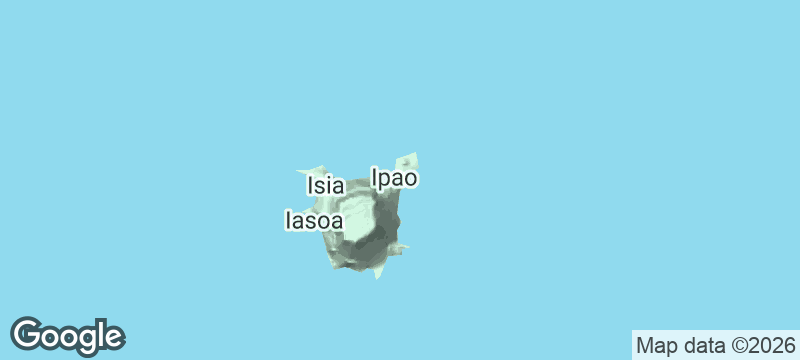
The language changes mid-archipelago: Futuna is Polynesia, moored inside Melanesian Vanuatu.
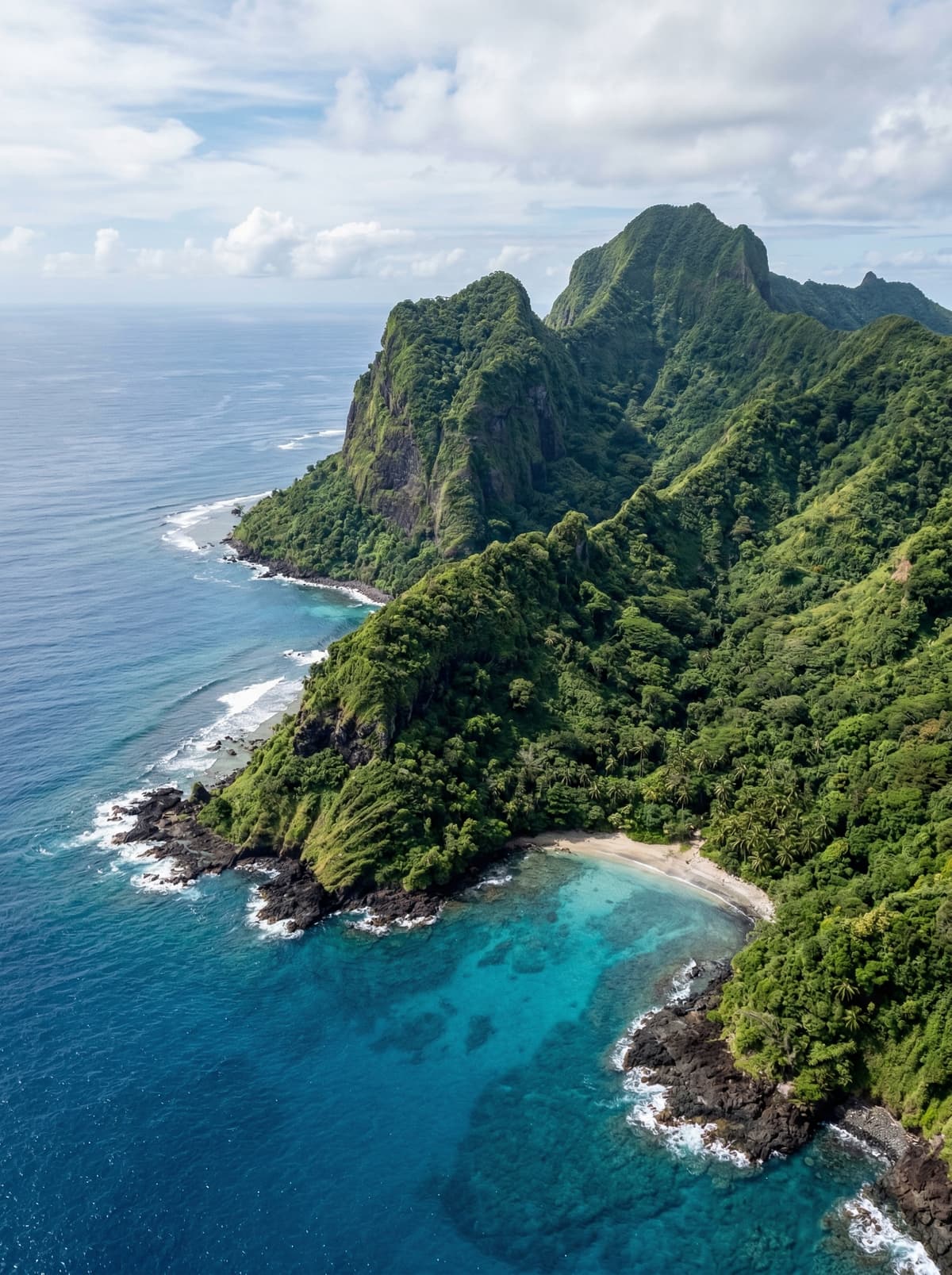
Futuna rises far east of Tanna as sheer green cliffs under a flat-topped summit, the last island before open Pacific. Step ashore and the Pacific's map rearranges itself: the words, the songs and the customs here are Polynesian, carried across the sea centuries ago and kept.
Linguists class Futuna-Aniwa as a true Polynesian language, its grammar still carrying the classic Polynesian distinctions that its Melanesian neighbours never had, which makes this small island a living borderland between Polynesia and Melanesia, the Pacific's two cultural spheres. Around 600 people keep it so, in villages under a dramatic volcanic profile whose signature walk climbs to the flat summit plateau. The craft the island is known for travels well: Futuna's finely woven kato baskets are prized across Vanuatu. Be honest with your planning, because the island is honest with you: there are no hotels or tour desks, a light plane connects the island's airstrip via Tanna, and stays are homestays with families, arranged through the community, with solar-hour electricity and the family's own table. Travellers who arrive with flexibility get the rarest thing in the Pacific: an island that never built a version of itself for visitors.
Solo
Come with time, patience and small gifts for your host family; the island opens through its households, not an itinerary.
Couple
Share a homestay and the plateau climb, and treat the week's rhythm, church, gardens, weaving, as the experience itself.
- Futuna-Aniwa is a true Polynesian language, its grammar still carrying Polynesia's classic possessive distinctions.
- The island rises in steep cliffs to a flat-topped summit plateau, and the climb to the top is its signature walk.
- Around 600 people keep Polynesian-rooted customs, music and craft alive, and Futuna's woven kato baskets are renowned.
- There are no hotels: stays are family homestays arranged through the community, reached by light plane via Tanna.
You eat at your host family's table: garden taro and yam, reef fish in coconut cream, cooked the way the household cooks for itself.
Drinking coconuts and the day's catch set the menu; no restaurant exists on Futuna, and that is the island keeping its word.
Knidos
Turkey
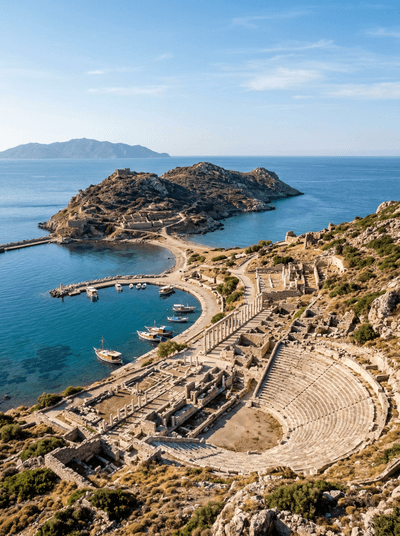
Two harbours face two different seas at a windswept cape where the Aegean meets the Mediterranean.
Hongdo
South Korea
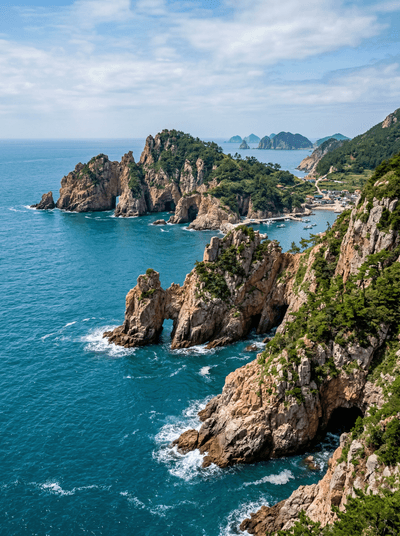
Two hundred metres of red quartzite catch fire at sunset over the sea.
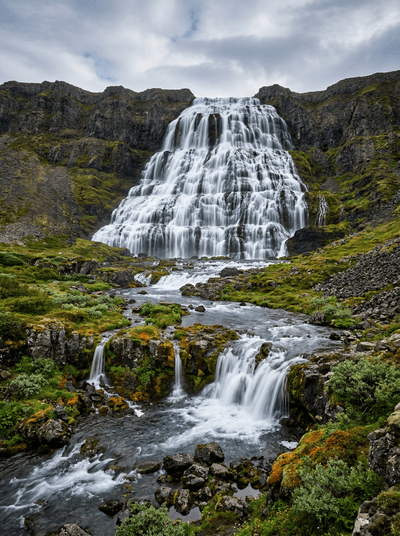
Dynjandi
Iceland
A tiered bridal-veil waterfall spilling over basalt steps in a remote, fjord-carved wilderness.
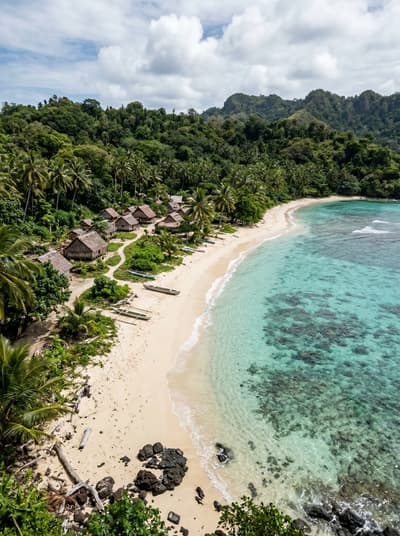
Vao Island
Vanuatu
Giant tam-tams boom across a ten-minute strait; on Vao, rank is earned, never inherited.
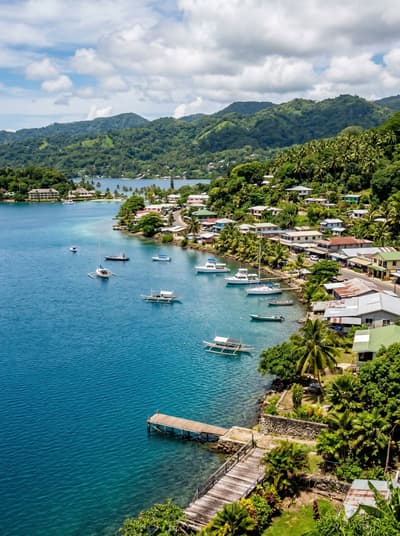
Port Vila
Vanuatu
A capital where France and Britain ruled at once, and kava quiets the harbour at dusk.
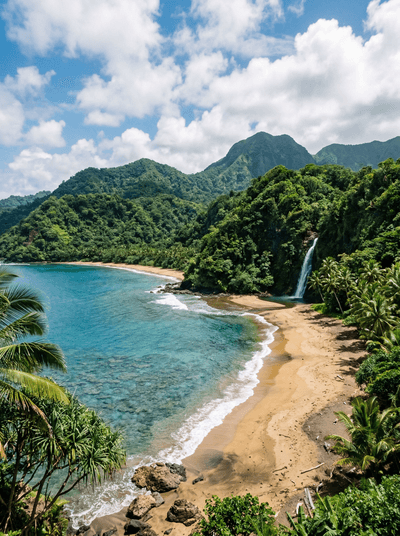
Vanua Lava
Vanuatu
Twin waterfalls the locals call the Devils' drop 120 metres in tandem into a fern-lined pool.