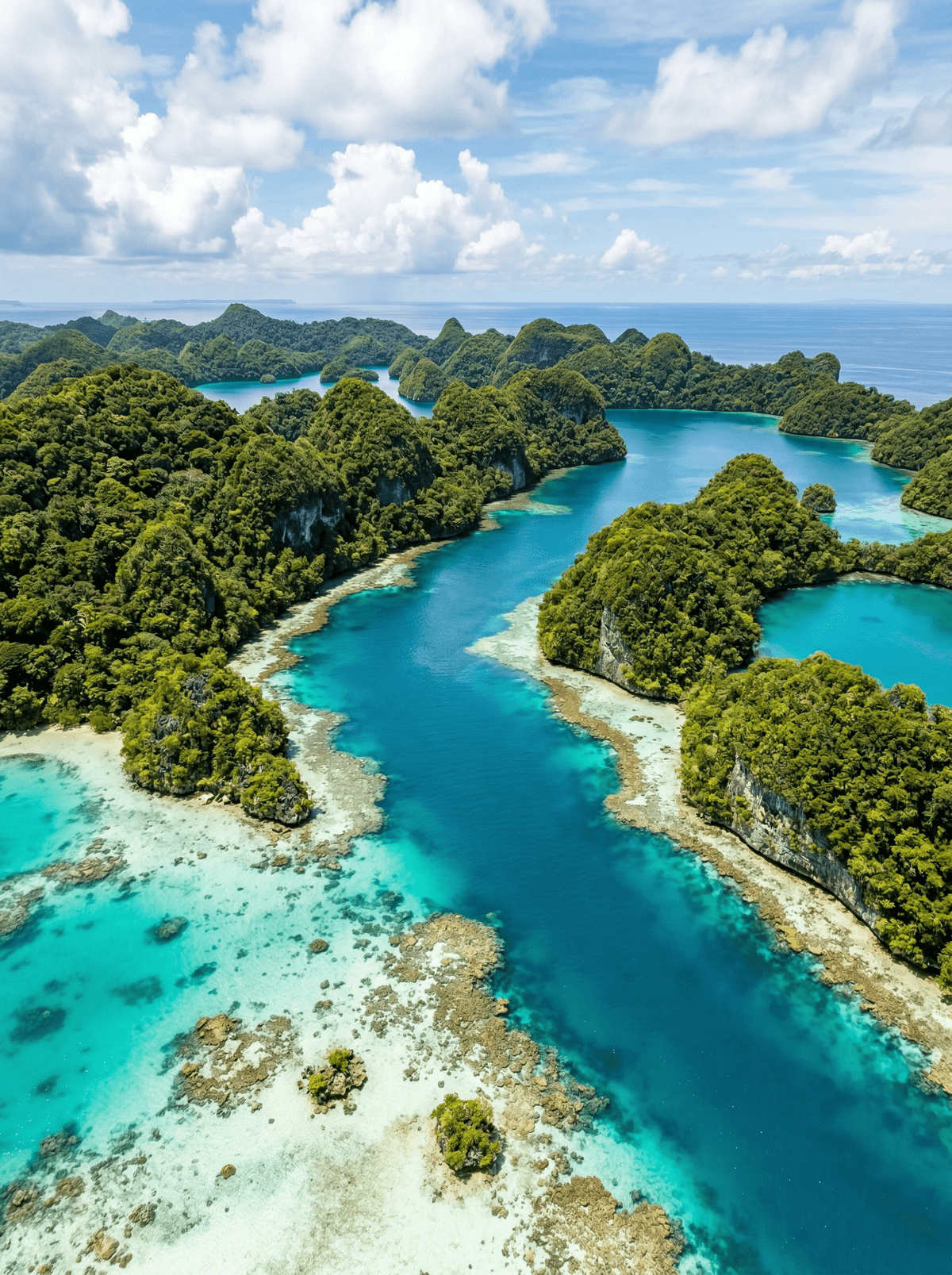
Palau
German Channel
A reef passage dynamited by German colonists for phosphate cargo, now a manta ray highway.
The water above the cleaning station is still. You hover where the sand shelves away, breathing slowly, watching the blue for shadows. When the first manta glides in, wings wider than you are tall, it settles over the coral head and holds position while small wrasse work across its skin and gills; on a strong incoming tide, a second arrives, then a third.
German Channel exists because Angaur's phosphate needed a way out: in 1911, German engineers dynamited and dredged a passage through Palau's barrier reef so cargo could run from the mines towards Europe. The tides never stopped pouring through the cut, and the moving plankton turned an industrial shortcut into one of Palau's best-known manta sites. These are reef mantas, Mobula alfredi, a species that queues for its turn at the cleaning station near the channel mouth and, on strong incoming currents, feeds in trains, barrel-rolling to push plankton into open mouths. Surveys from 2013 to 2024 recorded feeding gatherings between November and January that reached fifteen to twenty-five mantas on full-moon days. Grey reef sharks use the same cleaning stations, hanging jaws-open between twenty and thirty-five metres, and every encounter still turns on tide, wind and plankton.
Couple
When a manta the width of a small car banks beneath you both, the whole trip distils into one shared minute. The stillness of the cleaning station makes it feel private even with a dive group in the water.
Family
A manta day out of Koror is calm boat time punctured by moments nobody forgets. Brief the children on the one rule that matters: watch without a time limit, touch nothing.
Friends
A group can split between the cleaning station and the boat and argue afterwards about who had the better view. On a strong incoming tide, the answer is everyone.
- German engineers dynamited and dredged the channel in 1911 to ship Angaur's phosphate; the mining company moved 236,087 tons in its first five years.
- Palau's mantas are reef mantas that spend hours a day being cleaned, often waiting in line for their turn; the larger oceanic manta has never been recorded here.
- Shark and ray researchers logged feeding aggregations of fifteen to twenty-five mantas on full-moon days between November and January, and up to twenty on strong incoming currents.
- The resident mantas hold to Palau's western reefs from October to May, following the plankton, while every sighting still turns on tide, wind and current.
Between dives, lunch is eaten at anchor in the channel's lee, from cool-boxes packed that morning in Koror.
Back ashore, find ilaot, Palau's coconut-sap syrup, poured over just-made French toast or ice cream at Koror breakfast tables.
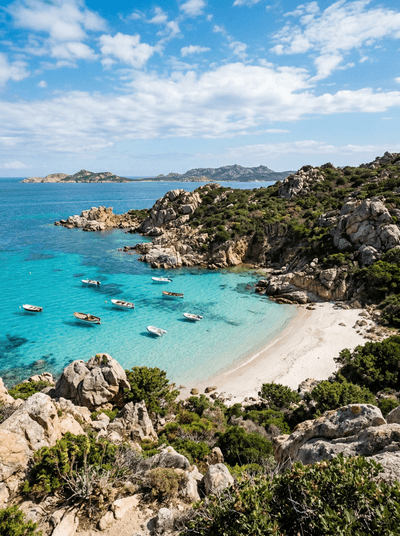
La Maddalena Archipelago
Italy
Pink granite islands in water so transparent boats appear to hover above the sandy seabed.
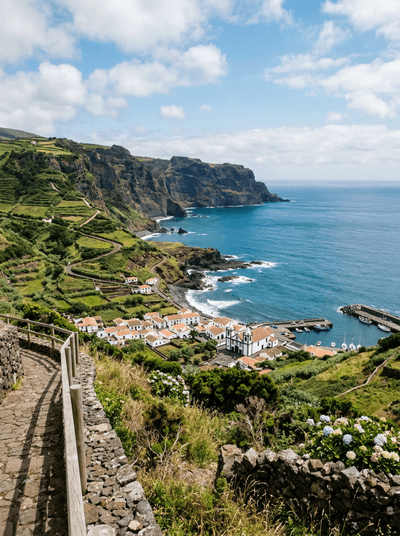
Santa Maria
Cape Verde
Kites carve the trade wind; the morning catch sells straight off the wooden pier.
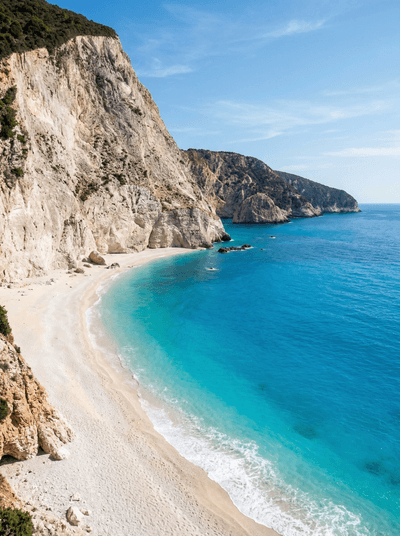
Lefkada
Greece
White cliffs plunge into water so absurdly turquoise it looks digitally altered from every angle.
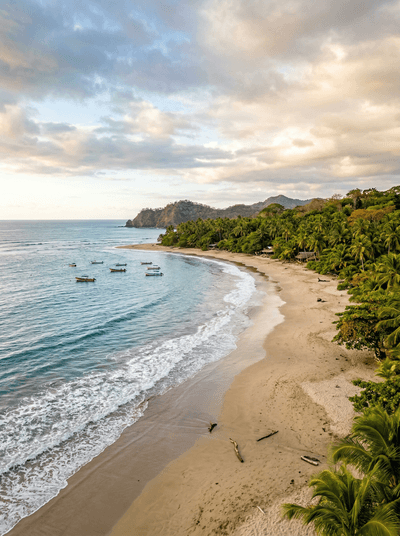
Tamarindo
Costa Rica
Sunset surf sessions where pelicans dive-bomb the lineup and howler monkeys heckle from shore.
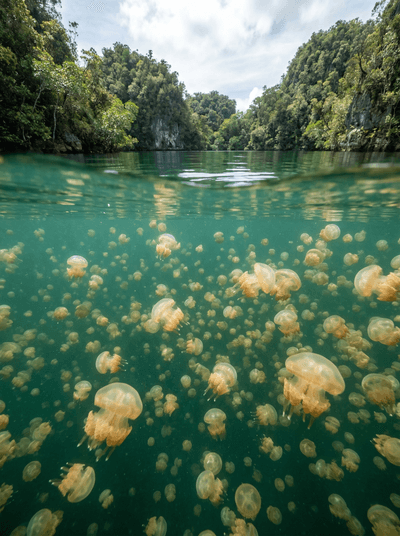
Jellyfish Lake
Palau
A lake where golden jellyfish chase the sun and stop dead at the shadow line.
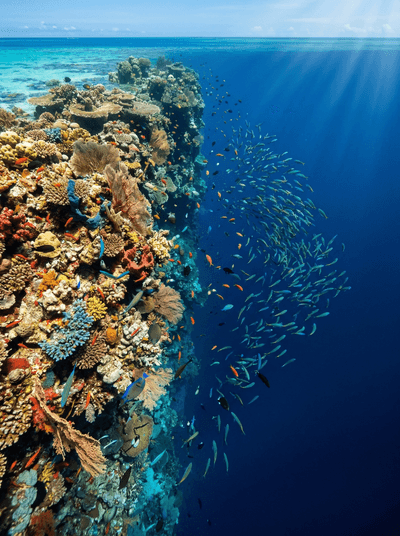
Big Drop-off
Palau
Step off shin-deep reef into a vertical abyss that drops nine hundred feet into darkness.
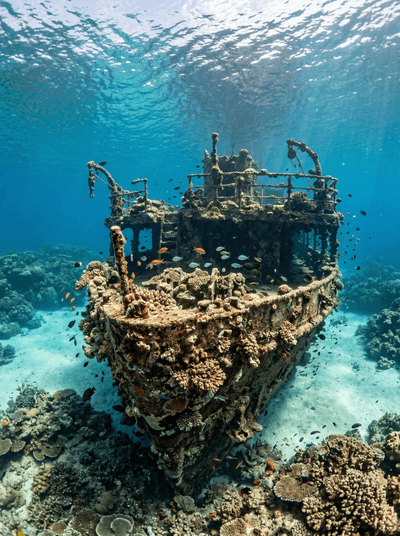
Koror Lagoon Wrecks
Palau
A 1944 blitz sank dozens of Japanese ships whose cargo holds are now coral gardens.
Blue Corner
Palau
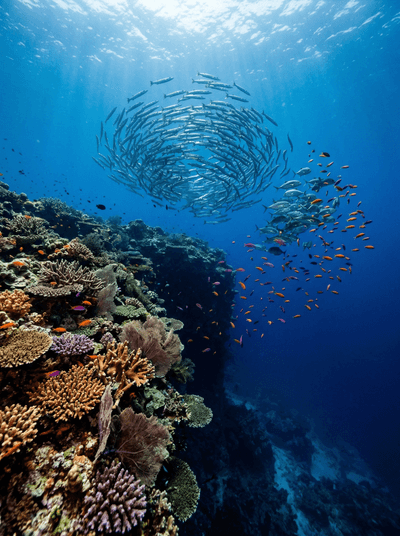
Hook into bare rock, hang in the current, and let the sharks come to you.