United States
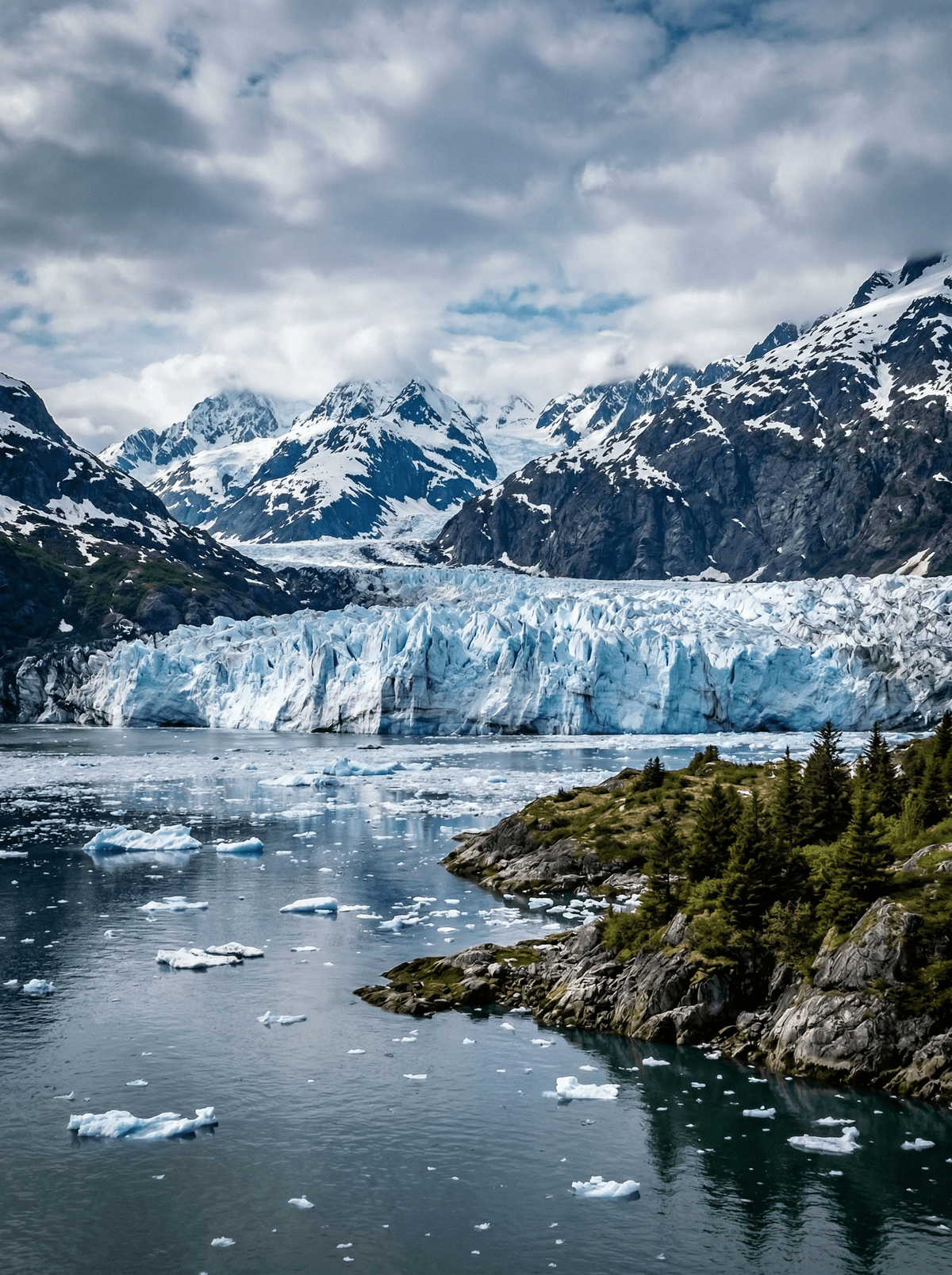
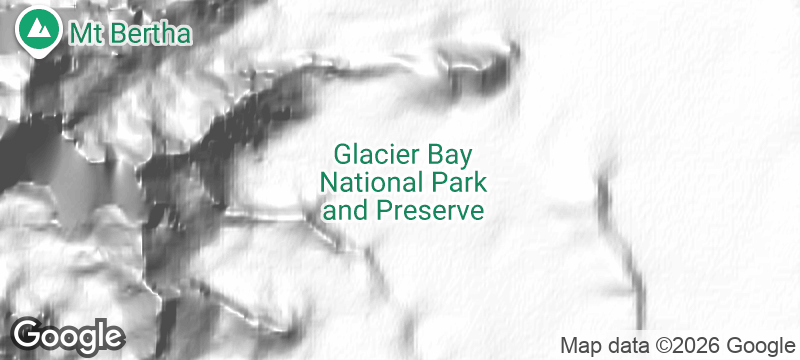
Glacier Bay
Tidewater glaciers calve thunder into the sea, and summer humpbacks breach across the bay.
The crack comes first, thunder rolling across still water, then a wall of ice peels off the glacier face and collapses into the bay, sending a swell out through the brash. Humpbacks surface between the floes, exhaling columns of mist into air that tastes of salt and minerals.
Glacier Bay covers 3.3 million acres of rugged mountains, dynamic glaciers, temperate rainforest, wild coastline and deep sheltered fjords, and it is Homeland to the Huna and Yakutat Lingít, whose ancestors watched the ice advance over their villages. Barely 250 years ago the whole bay lay under glacier; the ice has since pulled back some sixty-five miles, one of the fastest documented retreats on Earth, opening the fjords that day boats and kayaks now thread. Icebergs calved from the tidewater glacier faces are a common sight, and the cold, nutrient-rich water draws feeding humpback whales through the summer. No road reaches the park: you come by boat or small plane, most often through the tiny gateway settlement of Gustavus, and the silence between calvings is nearly absolute.
Solo
Permit-gated waters and no road access strip the crowd away; a solo kayaker camped on a fjord beach hears ice, whales and nothing else.
Couple
Watch the glacier face from a day boat's rail, then eat Dungeness crab at the lodge while the bay does its slow, loud sculpture work outside.
Family
The day boat puts calving glaciers, whales, seals and puffins before children's eyes without a single difficult mile; rangers narrate the whole way.
- The entire bay lay under ice barely 250 years ago; the glaciers' sixty-five-mile retreat since is among the fastest ever documented.
- Icebergs calved from tidewater glacier faces are a common sight, and the boom of collapsing ice carries for miles.
- Humpback whales feed through the summer in the bay's cold, nutrient-rich water, surfacing beside the day boats.
- No road leads in: access is by boat or small plane, and the park is Homeland to the Huna and Yakutat Lingít.
Dungeness crab, the house specialty at the bay's lodge dining room, with halibut and salmon off the same local boats.
Halibut you caught yourself in Icy Strait, cleaned at the Gustavus dock while eagles supervise.
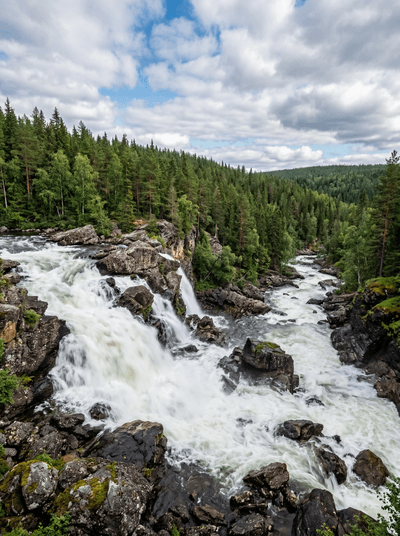
Storforsen
Sweden
Mighty rapids thundering through boreal forest on a river that still runs free.
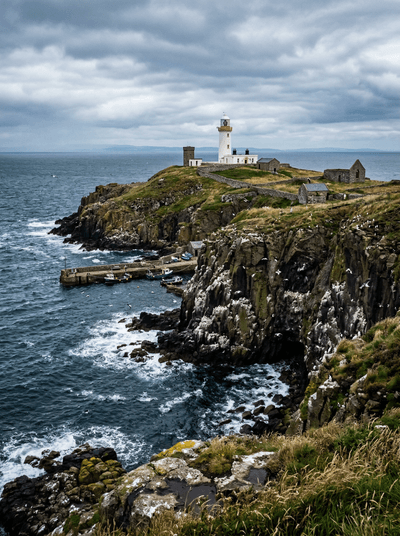
Isle of May
Scotland
Puffins waddle to their burrows inches from your boots on an island nature kept for itself.
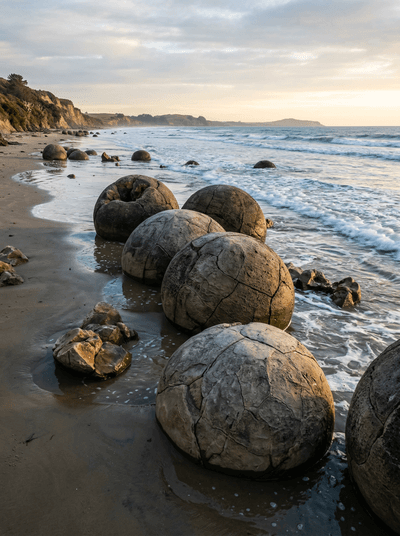
Moeraki Boulders
New Zealand
Spherical boulders the size of cars on the tide line, cracked open like ancient eggs.
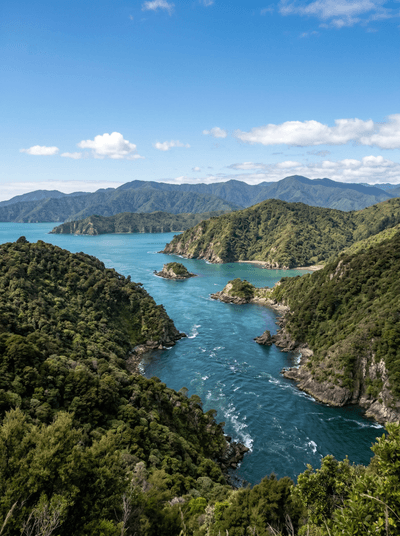
French Pass
New Zealand
A tidal race so fierce that whirlpools churn the gap on every running tide.
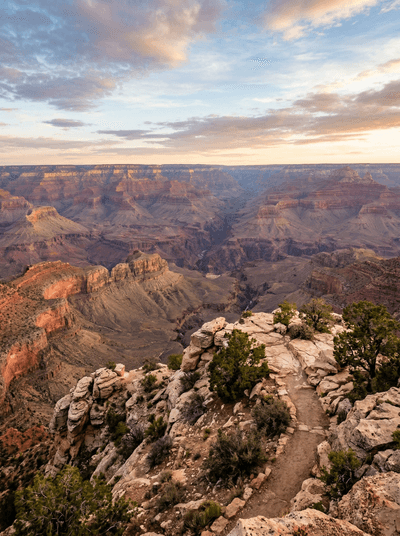
Grand Canyon
United States
A mile-deep silence broken only by ravens circling in thermals below your feet.
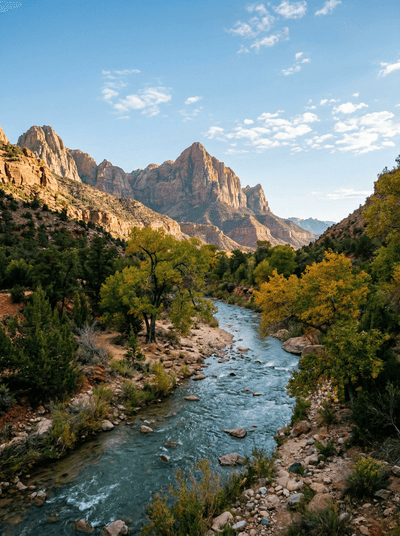
Zion National Park
United States
Slot canyon walls so narrow the river fills them waist-deep and the sky becomes a sliver.
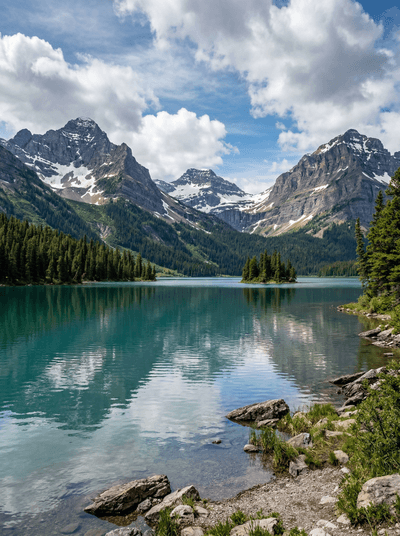
Glacier National Park
United States
Turquoise meltwater glowing beneath glaciers that shrink a little more every summer.
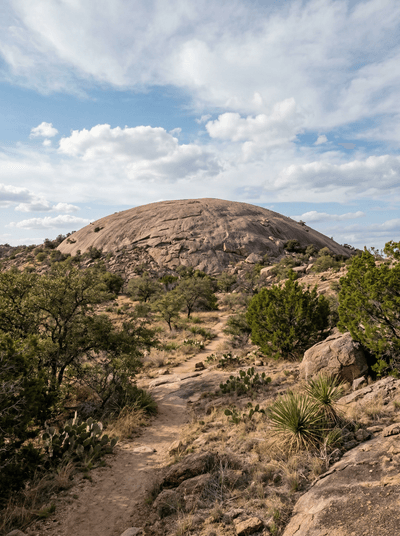
Enchanted Rock
United States
Pink granite groaning in the dark, a sacred dome the Comanche believed was alive.