United States
Hawai'i Volcanoes
Ground younger than you are, built by two of Earth's most active volcanoes.
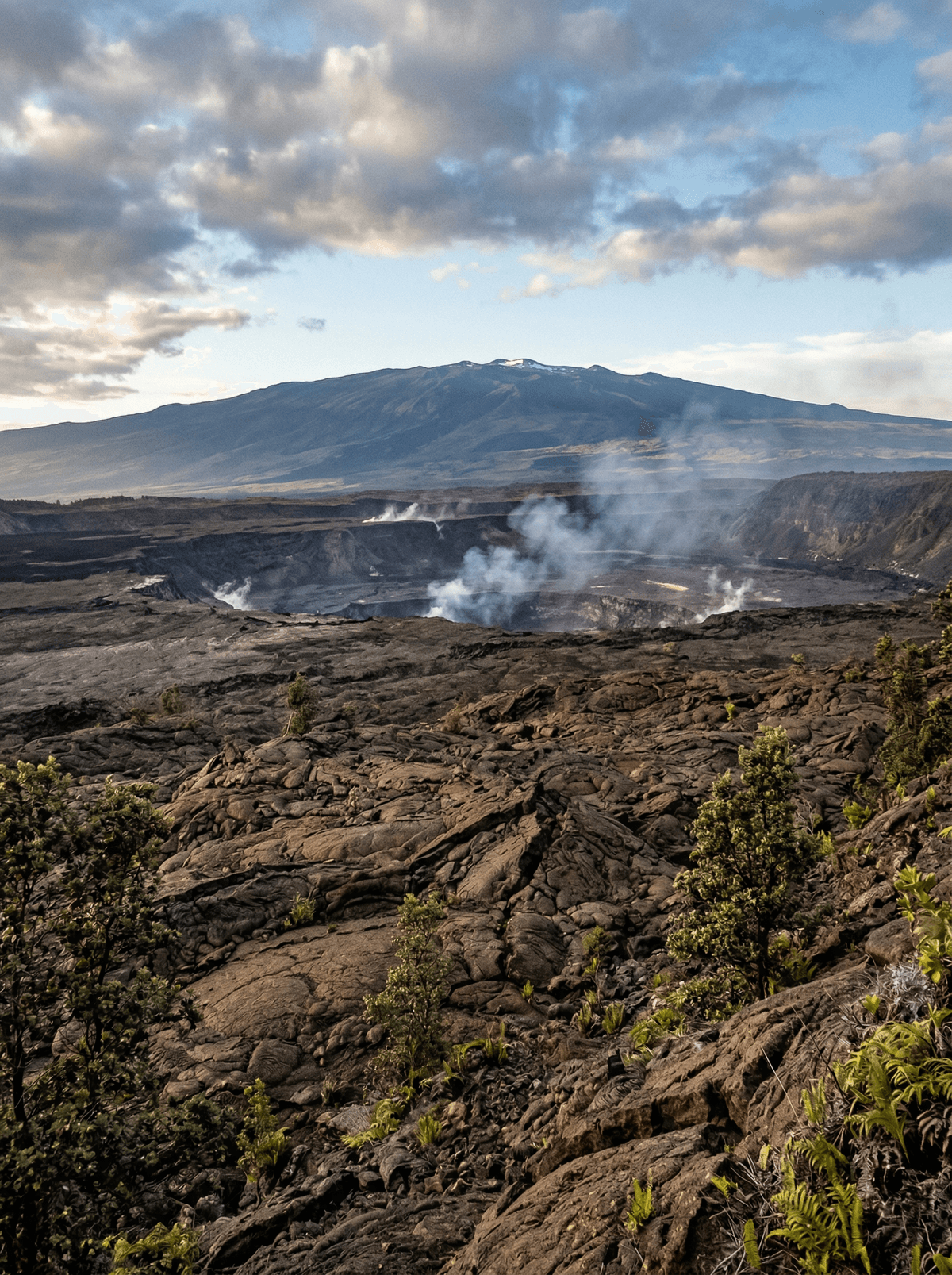
The ground radiates heat up through your boot soles. Steam vents hiss from cracks in rock that did not exist a generation ago. When Kīlauea wakes, an orange pulse brightens and fades off the underside of the gas plume like something breathing. This is the only corner of the United States where you can stand on land newer than you are.
Hawaiʻi Volcanoes National Park holds the summits of two of the world's most active volcanoes, Kīlauea and Mauna Loa, in a landscape Native Hawaiians know as the home of Pele; the cultural reverence belongs to the visit, not a footnote. Eruptions here are episodic and nothing is promised: between them there is still a full day and more: the 3.3-mile Kīlauea Iki loop across a hardened crater floor, a string of viewpoints along the caldera rim, and 18.8 miles of Chain of Craters Road descending to a coast where the pavement ends exactly where lava crossed it. Nāhuku, the Thurston Lava Tube, runs its cooled 500-foot channel beneath ferns that feed on the rising moisture, and on the coast beyond, the buried community of Kalapana stands as a sober reminder that the island is still under construction.
Family
Children who have only seen volcanoes in textbooks will stand at the crater rim and understand geology in a single moment. The lava-tube walk and steam vents suit all ages, and the drive down Chain of Craters Road turns a science lesson into an adventure.
Couple
When Kīlauea is active, the crater glow at dusk, watched from the rim with the smell of sulphur and the sound of shifting rock, is among the park system's most elemental experiences. It demands nothing but presence.
Friends
Hiking across a hardened crater floor, walking a lava tube, and, when the volcano obliges, watching the caldera glow after dark gives a group the kind of raw, edge-of-the-earth experience nothing indoors can replace.
- The park encompasses the summits of two of the world's most active volcanoes, Kīlauea and Mauna Loa.
- The Kīlauea Iki loop crosses a hardened crater floor in 3.3 miles: you walk the inside of a volcano.
- Chain of Craters Road runs 18.8 miles from the summit to the coast, ending exactly where lava crossed the pavement.
- Nāhuku, the Thurston Lava Tube, channels you through 500 feet of cooled lava beneath fern-hung entrances.
Wine tasting at Volcano Winery, the vineyard growing at four thousand feet on Kīlauea's slopes.
Kaʻū coffee from the mill in the district bordering the park, grown, in the mill's own words, with pono: integrity, balance and care for the ʻāina.
Jeongseon
South Korea
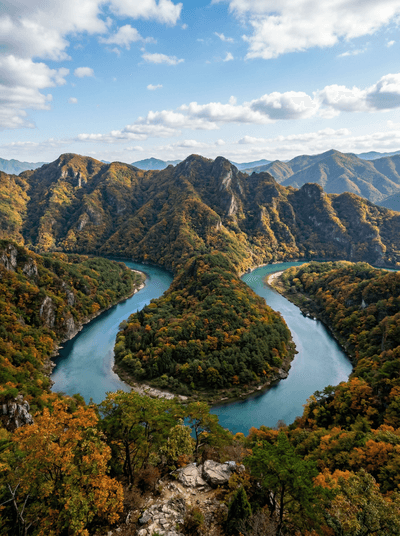
A rail bike hurtles down the old coal line through pitch-dark mountain tunnels.
Cederberg
South Africa
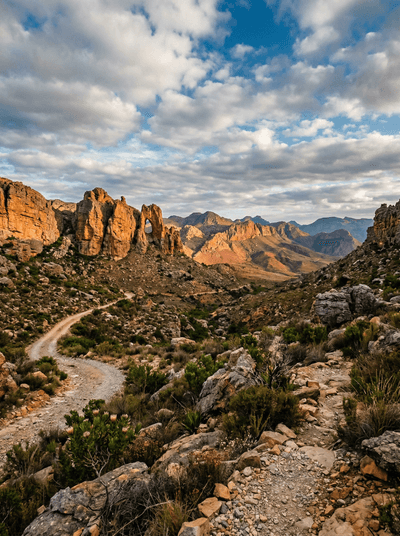
Red sandstone arches hold the last heat while rooibos valleys fall into shadow.
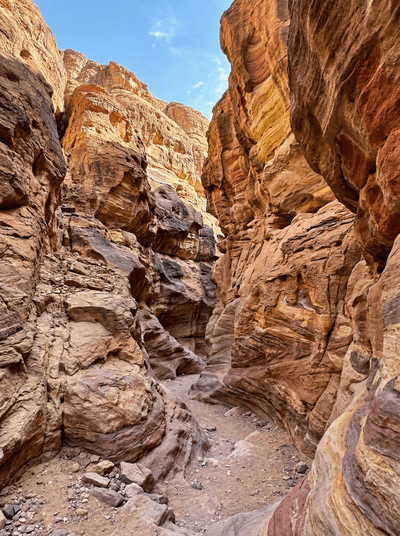
Coloured Canyon
Egypt
Sandstone walls rippling in rust, ochre, and violet, narrow enough to touch both sides.
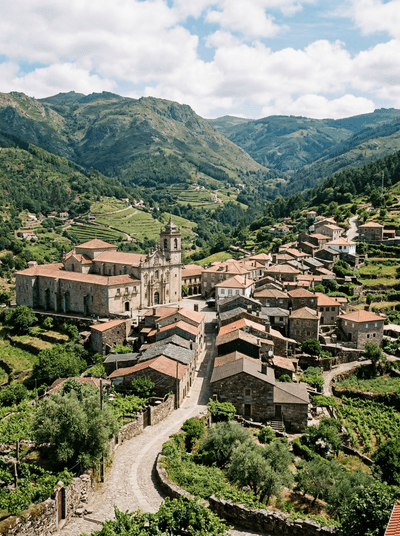
Arouca
Portugal
A 516-metre suspension bridge sways 175 metres above a gorge — Portugal's vertigo capital.
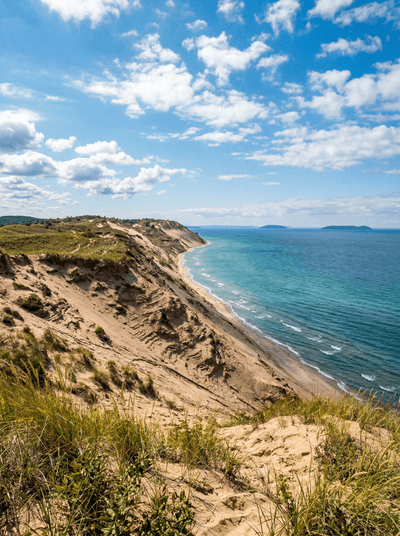
Sleeping Bear Dunes
United States
Sand bluffs four hundred and fifty feet tall plunging into Lake Michigan's turquoise shallows.
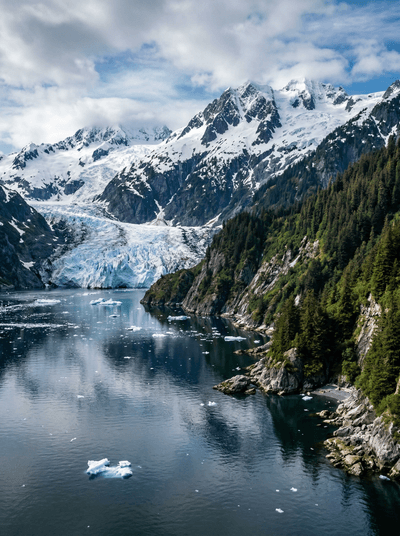
Kenai Fjords
United States
Exit Glacier retreating in real time; the trail markers show where it stood each decade.
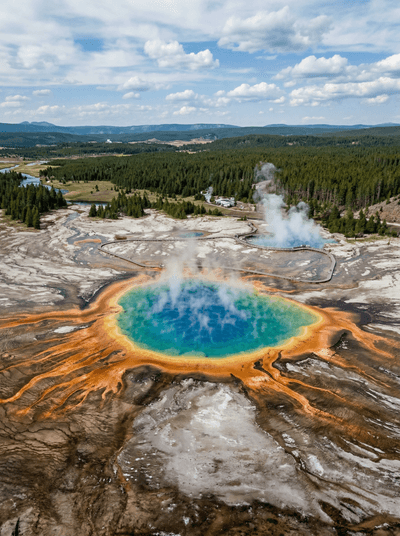
Yellowstone
United States
Earth exhaling through turquoise pools while bison block the only road ahead.
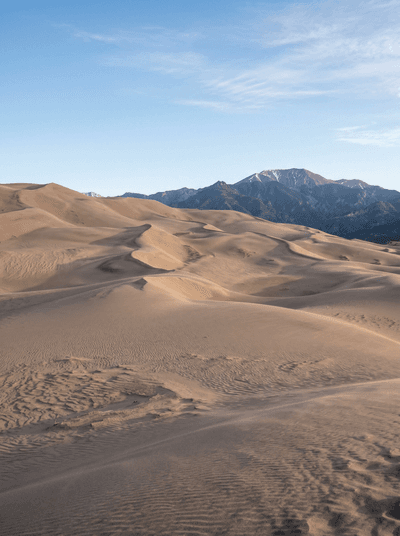
Great Sand Dunes
United States
The tallest dunes in North America rising against snow-streaked fourteen-thousand-foot peaks.