Vietnam
Hue
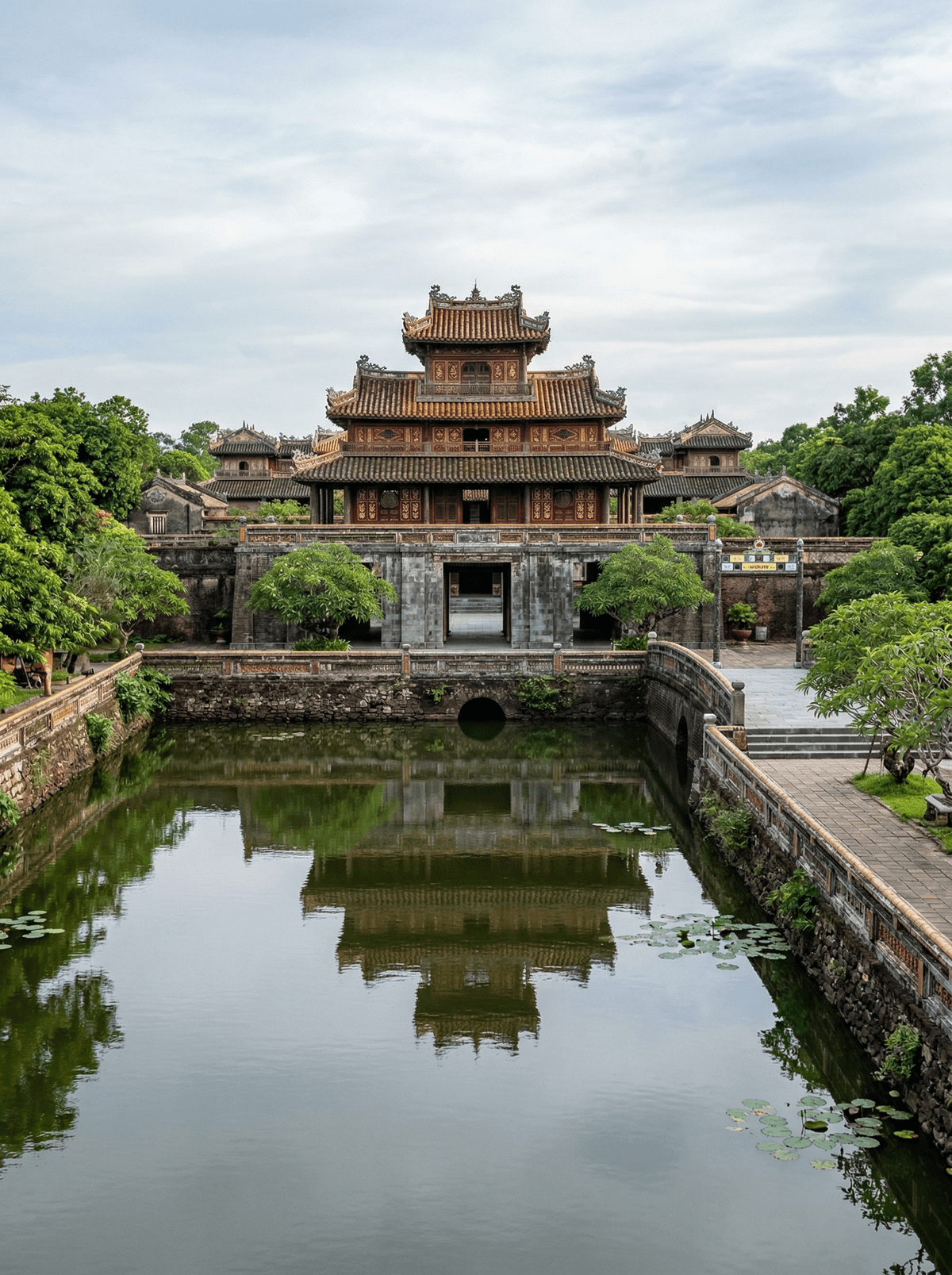
Incense smoke drifting through the war-scarred courtyards of an imperial citadel.
Incense drifts past a bullet scar in a two-hundred-year-old wall. In Hue's Imperial Citadel, Nguyen-dynasty ornament and 1968's shrapnel occupy the same stone — restored golden courtyards beside ramparts the Tet Offensive never let go of. The city does not separate its beauty from its violence.
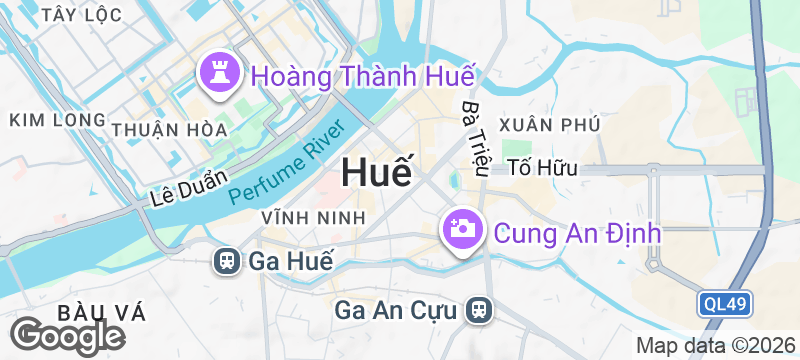
Hue was Vietnam's imperial capital from 1802 to 1945 under the Nguyen dynasty, its citadel modelled partly on Beijing's Forbidden City and still the country's greatest royal complex. The 1968 Tet Offensive devastated it in a twenty-six-day battle; restoration continues, deliberately alongside preserved damage. South along the Perfume River, seven royal tombs each reflect their emperor — Minh Mang's severe Confucian symmetry, Tu Duc's poetic lake retreat. And Hue claims more distinct dishes than any other Vietnamese city: bun bo Hue, banh beo, banh nam, nem lui, the refined legacy of feeding a royal court. The pace runs markedly slower than Hanoi or Saigon.
Solo
Cycle the Perfume River between royal tombs, eat bun bo Hue at a stall serving one recipe for decades, and sit in a citadel that holds both grandeur and grief.
Couple
Dragon-boat rides on the Perfume River at dusk, garden-house dinners, and the most refined regional cuisine in Vietnam.
- The citadel carries bullet scars from the 1968 Tet Offensive beside restored Nguyen-dynasty gold.
- Seven royal tombs along the Perfume River each reflect the emperor who designed them.
- Hue claims more distinct dishes than any other Vietnamese city — bun bo Hue is just the start.
- Garden houses and heritage stays keep the mandarin era within sleeping distance.
Bánh khoái: a crisp Hue crepe served with salad and a rich dipping sauce.
Bánh bèo: steamed rice cakes topped with shrimp, pork crackling and scallion oil.
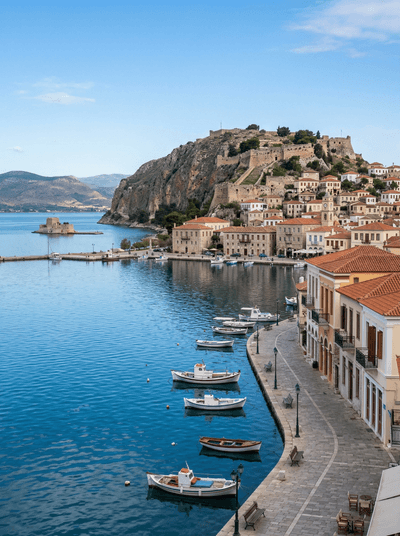
Nafplio
Greece
Stone steps climb to a Venetian sea fortress above a harbour of bobbing fishing caïques.
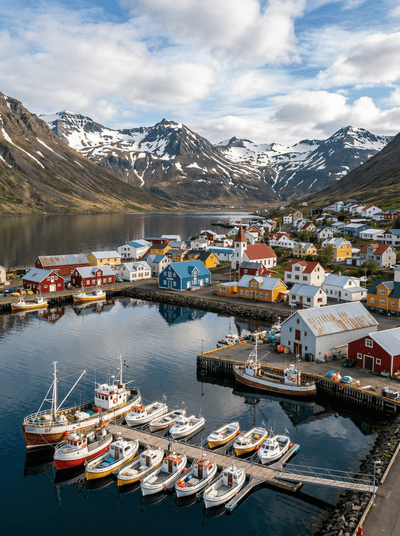
Siglufjörður
Iceland
A brightly coloured herring town tucked into a mountain-ringed fjord at the world's edge.
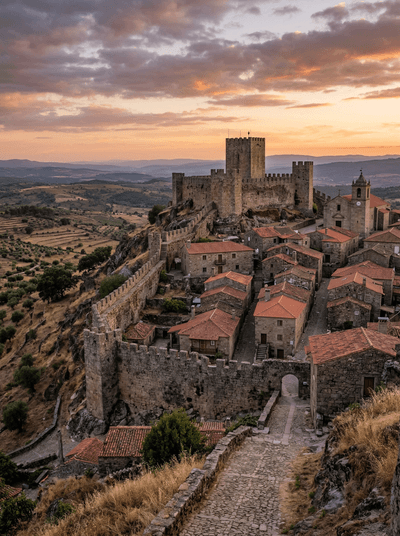
Marialva
Portugal
A medieval town stands roofless inside castle walls, abandoned to silence and moss.
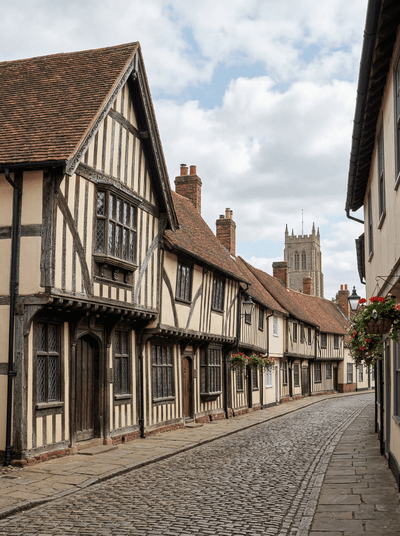
Lavenham
England
Crooked medieval timber frames leaning at angles that defy both gravity and planning law.
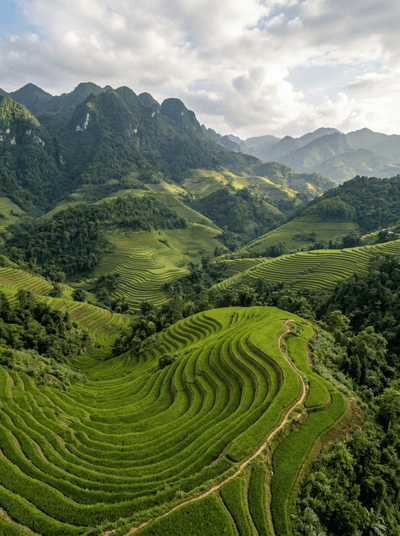
Hoang Su Phi
Vietnam
Rice terraces so vertiginous they look like topographical maps carved directly into the sky.
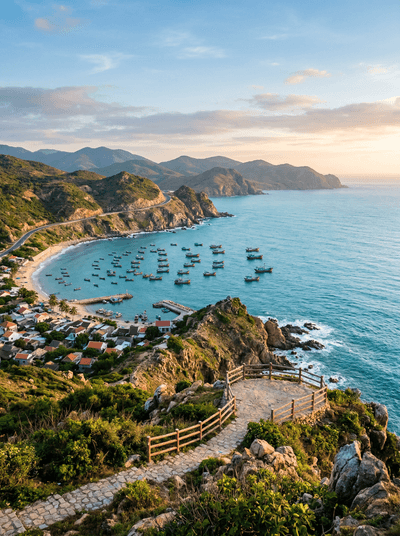
Quy Nhon
Vietnam
Ancient Cham brick towers watching over fishing coracles bobbing in a crescent bay.
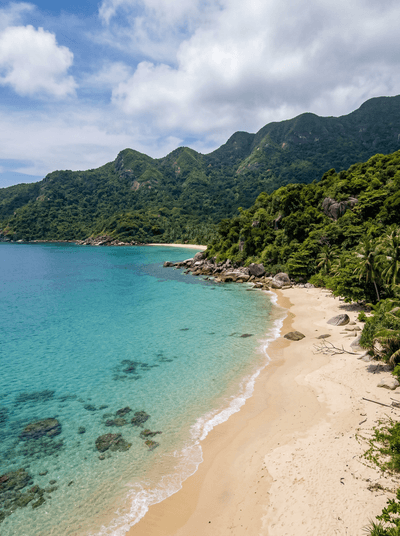
Con Dao Islands
Vietnam
A former island penal colony whose quiet beaches now belong to nesting sea turtles.