India
Kaas Plateau
A volcanic plateau that erupts into a violent carpet of wildflowers three weeks a year.
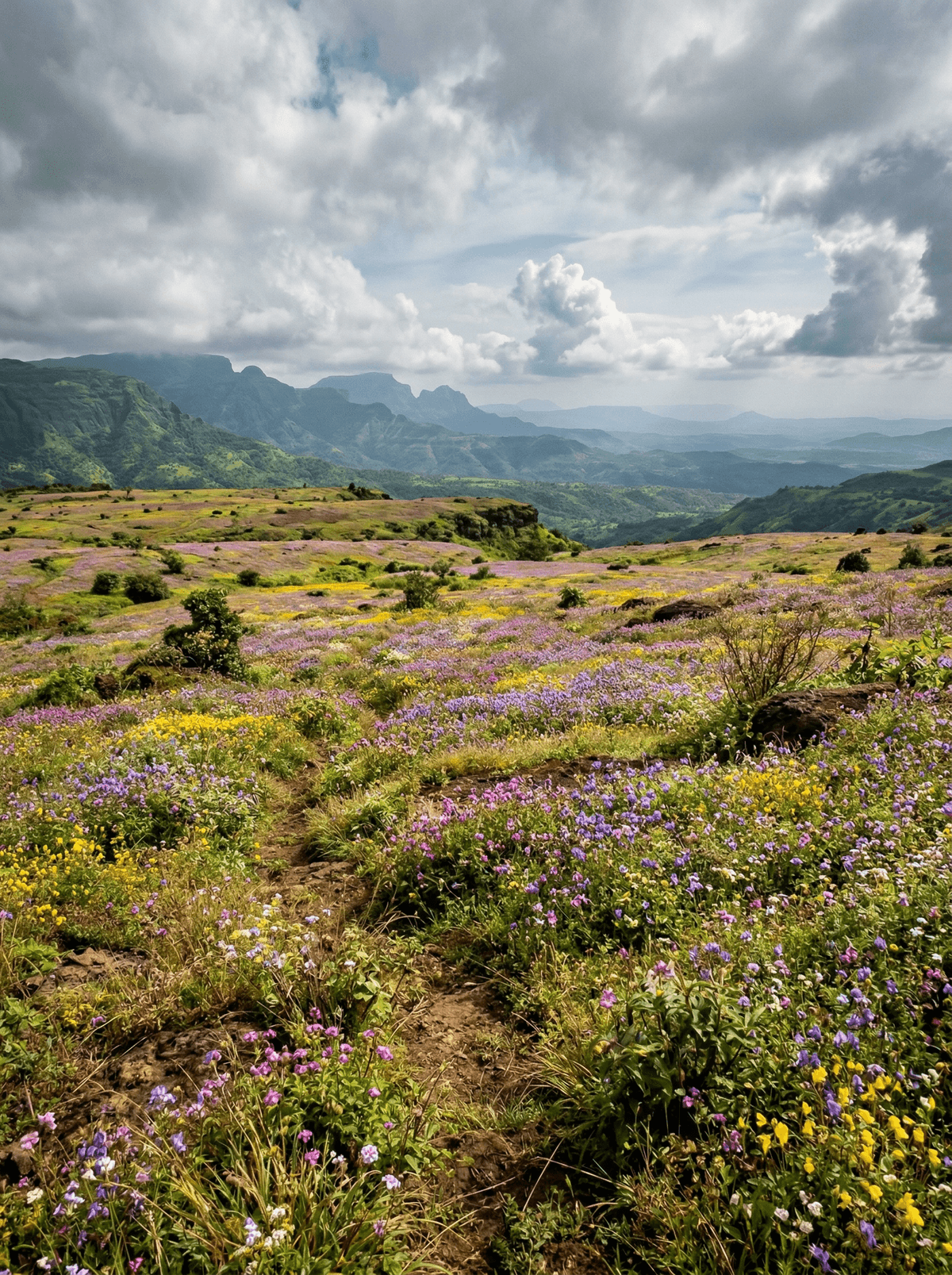
The plateau erupts after the monsoon — wave after wave of wildflowers crossing a volcanic laterite surface, over 850 species recorded across the season. Arrive in the September weeks and the colour carpets run to the horizon. Miss them and the plateau is bare brown rock.
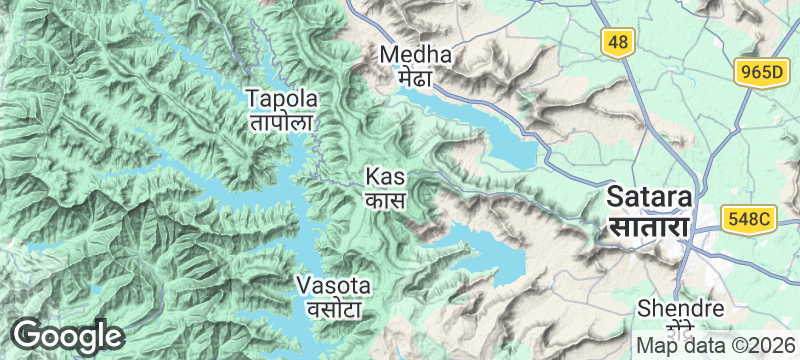
Kaas Plateau, in Maharashtra's Satara district, holds UNESCO World Heritage status, sitting at about 1,200 metres in the Western Ghats, its thin laterite soil supporting orchids, insectivorous plants and endemics that bloom in one brief burst after the monsoon. Smithia, Senecio and carpets of Utricularia trade places week by week as the season moves. Entry runs on timed, pre-booked slots with a daily cap — around three thousand visitors — set to protect the soil the whole spectacle stands on.
Solo
Book the timed slot, go at opening, and work the colour blocks before the coaches arrive.
Couple
Time the year around three weeks of September — then walk the carpet while it lasts.
Friends
Pre-book slots together and divide the plateau — orchids, sundews, Smithia — then compare.
- More than 850 species flower across the season, the September weeks stacking the display deepest.
- The daily visitor cap of about three thousand keeps the laterite from being loved to death.
- The colour blocks change weekly and are visible from the approach road before you even park.
- The window is brutally short — which is exactly why it is worth building a trip around.
In Satara it is misal pav — sprout curry under crunching farsan, the heat balanced by soft pav.
Pithla with bhakri is the plateau-country staple, rustic and exactly right.
Kejimkujik National Park
Canada
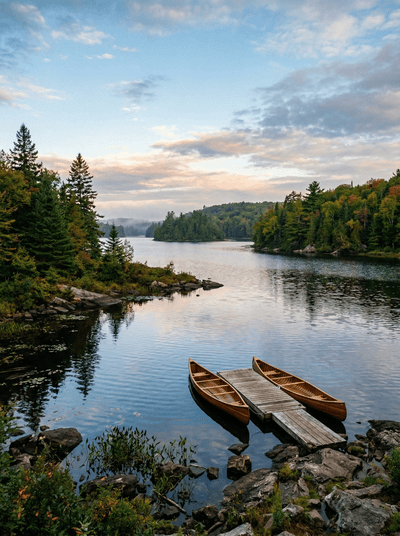
Dark lakes and old portage routes carry Mi'kmaw history beneath star-rich skies.
Ōpārara Basin
New Zealand
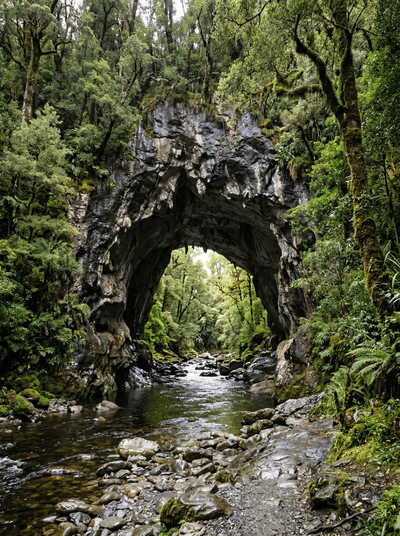
Limestone arches spanning a tea-black river in forest that swallows the light.
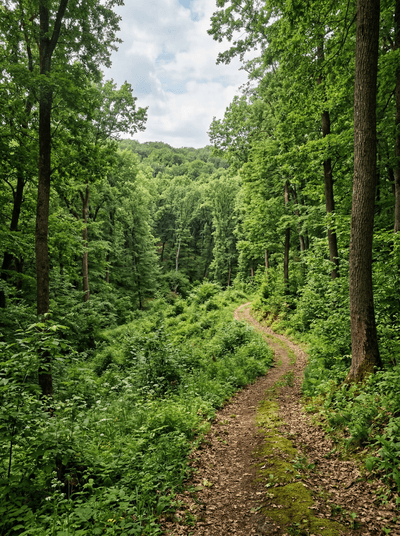
Codrii Nature Reserve
Moldova
Half of Moldova's characteristic flora survives in one hill forest of oaks, ravines and wildcats.
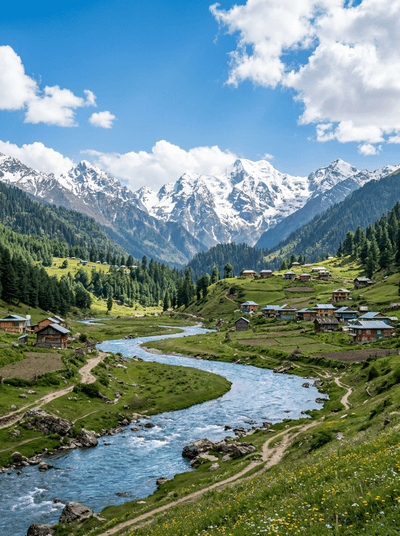
Mechuka
India
Wild horses grazing a high valley closed to outsiders until 2005, pines climbing to snow.
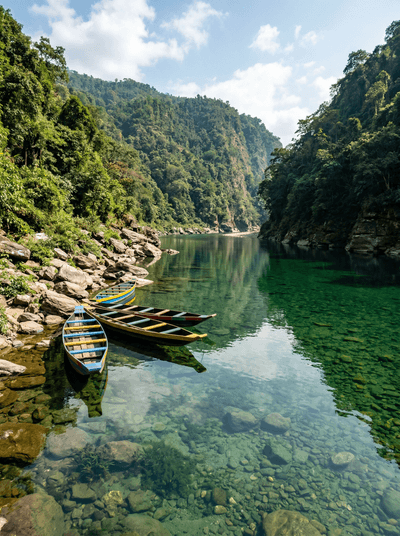
Dawki
India
A border river flowing so transparent that fishing boats appear to float in mid-air.
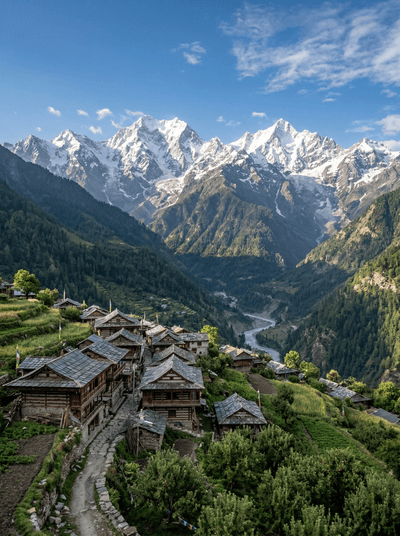
Kalpa
India
Apple orchards clinging to steep ridges directly facing the razor-sharp granite of the Kinnaur Kailash.