Chile
Lago Budi
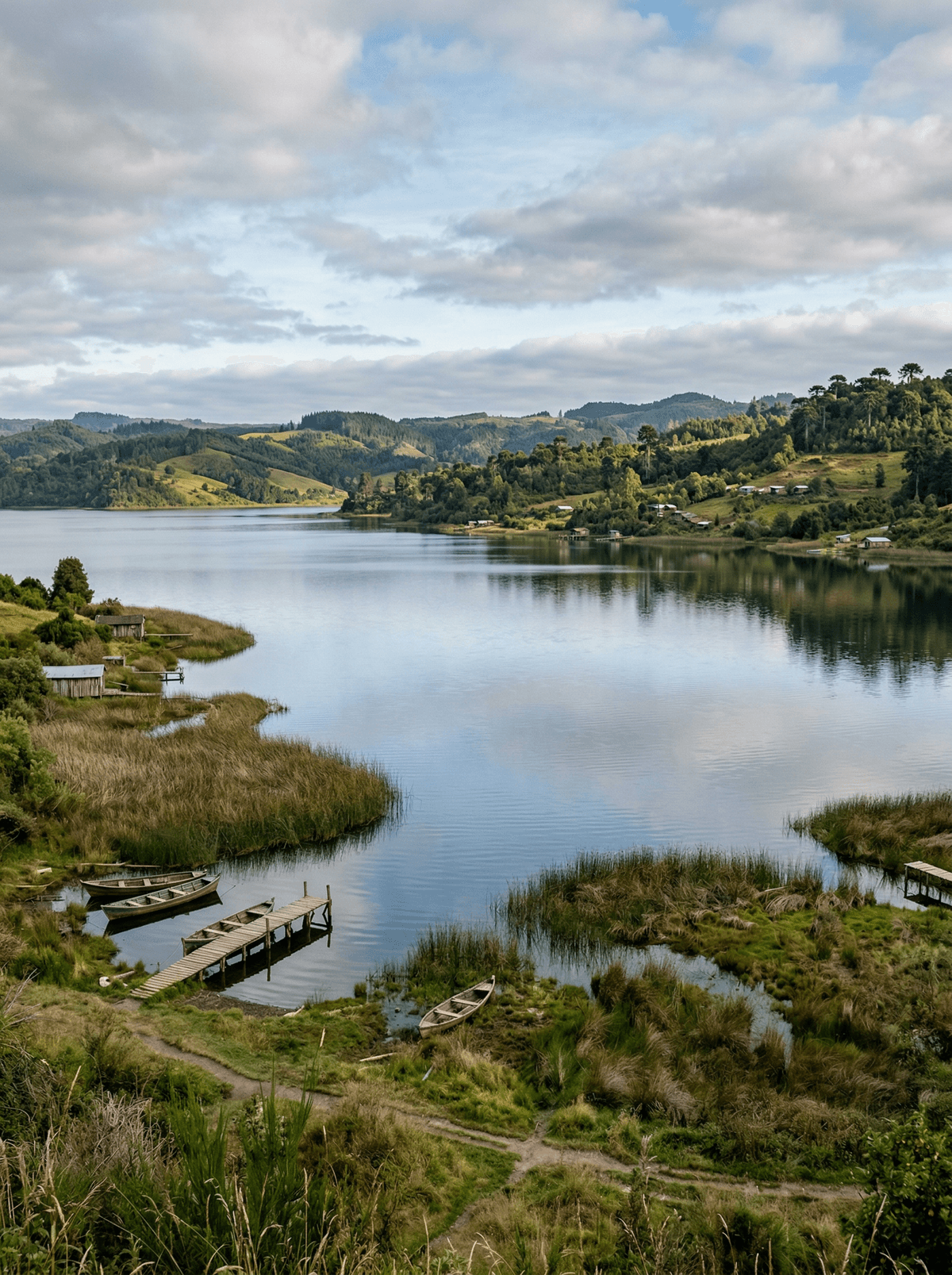
A shallow coastal lake spreads through living Lafkenche country behind the Pacific dunes.
Reeds move around quiet water while the Pacific lies just beyond the low land. A host's account turns the lake from scenery into an inhabited cultural landscape.
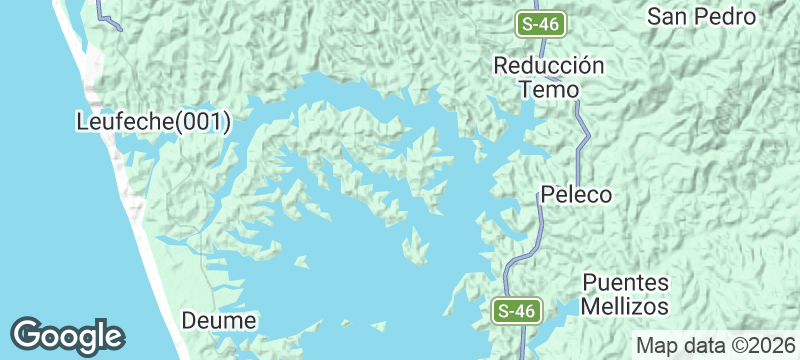
Lago Budi is both wetland and Mapuche-Lafkenche territory, with named community operators offering stays, food, guiding and wampo experiences. Those public invitations define respectful access and avoid promises of private ceremony. The strongest visit is hosted, specific and allowed to take time.
Solo
A named community host provides both welcome and context around a landscape that should not be entered anonymously.
Couple
Choose a hosted lake-and-food experience and let conversation determine the pace rather than a rigid circuit.
- Lago Budi is a coastal lake and wetland landscape shaped by Mapuche-Lafkenche communities.
- Current community operators offer arranged stays, food, guiding and wampo experiences through named local hosts.
- The visit should follow those invitations and avoid promising ceremonies or private cultural access.
Llaguepulli's cooking workshops have visitors tasting Mapuche gastronomy as participants, not spectators.
The community's hosted table is the destination's kitchen — Lafkenche, lakeside and its own.
Manuel Antonio
Costa Rica
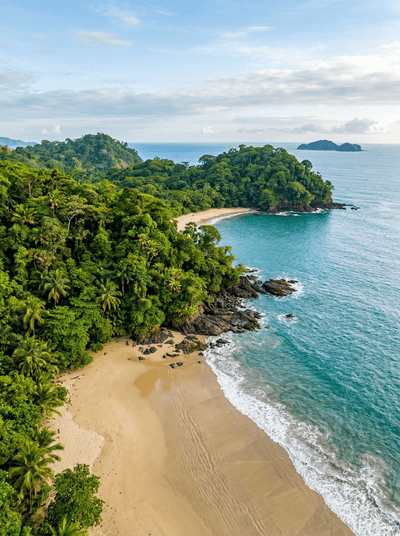
Capuchins patrol the sand beneath dozing sloths where rainforest walks into the ocean.
Vaitupu
Tuvalu
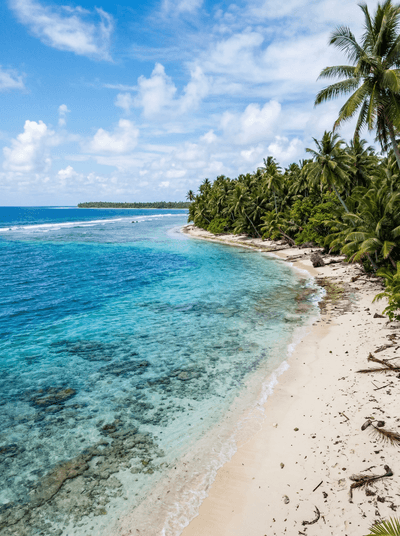
Tuvalu's largest island, where traditional sport te ano sends two woven balls flying at once.
Tortuguero
Costa Rica
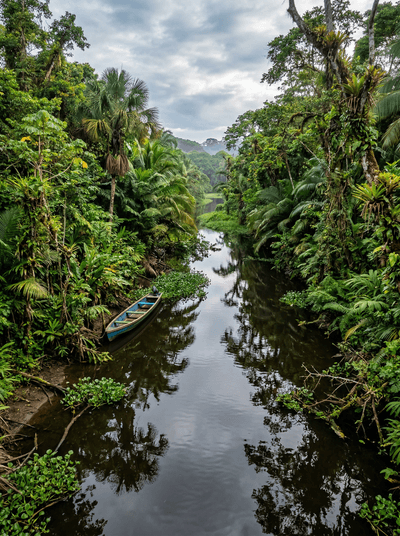
Jungle canals where green sea turtles haul onto black volcanic sand under a moonless sky.
Kadavu
Fiji
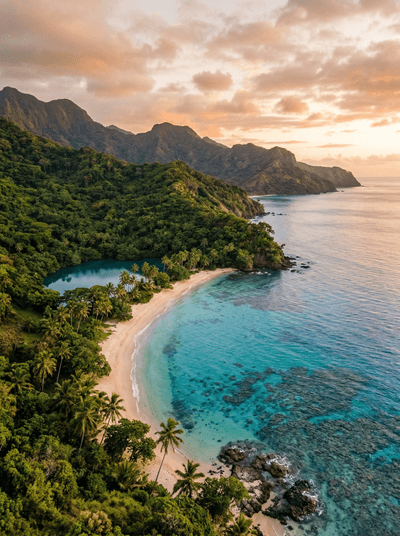
Manta rays circle the world's fourth-largest barrier reef, off villages the road barely reaches.
Parque Nacional Conguillío
Chile
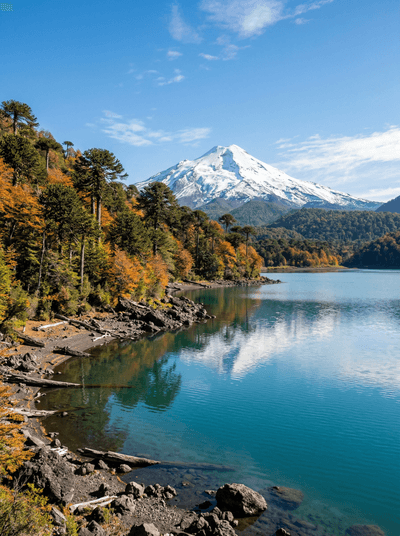
Araucaria crowns stand over black lava and clear lakes beneath Volcán Llaima.
Parque Nacional Volcán Isluga
Chile
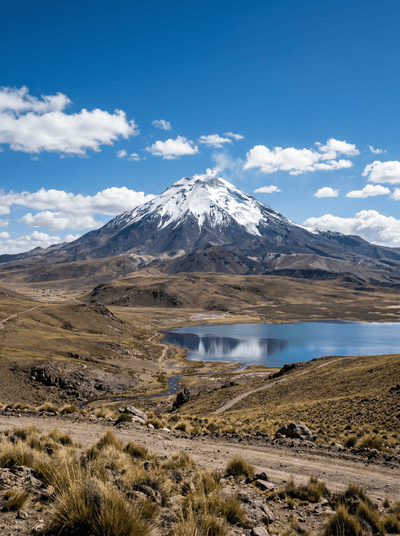
Volcanic horizons and high wetlands surround living Aymara settlements in the altiplano.
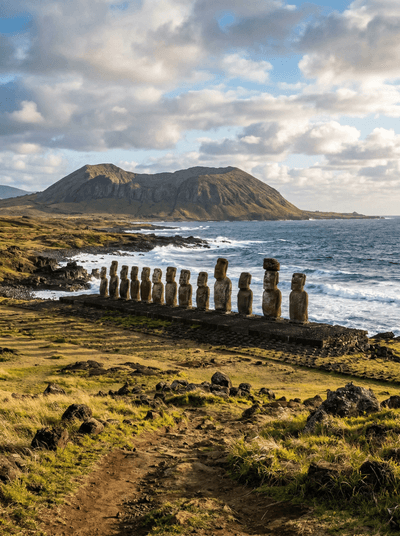
Rapa Nui (Easter Island)
Chile
Moai, grassed craters and a living Polynesian culture meet in the open Pacific.
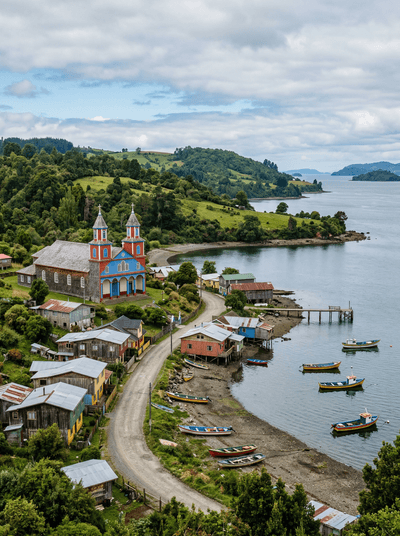
Isla Chiloé (Tenaún)
Chile
Three timber towers rise above a quiet Chilote waterfront.