Fiji
Levuka
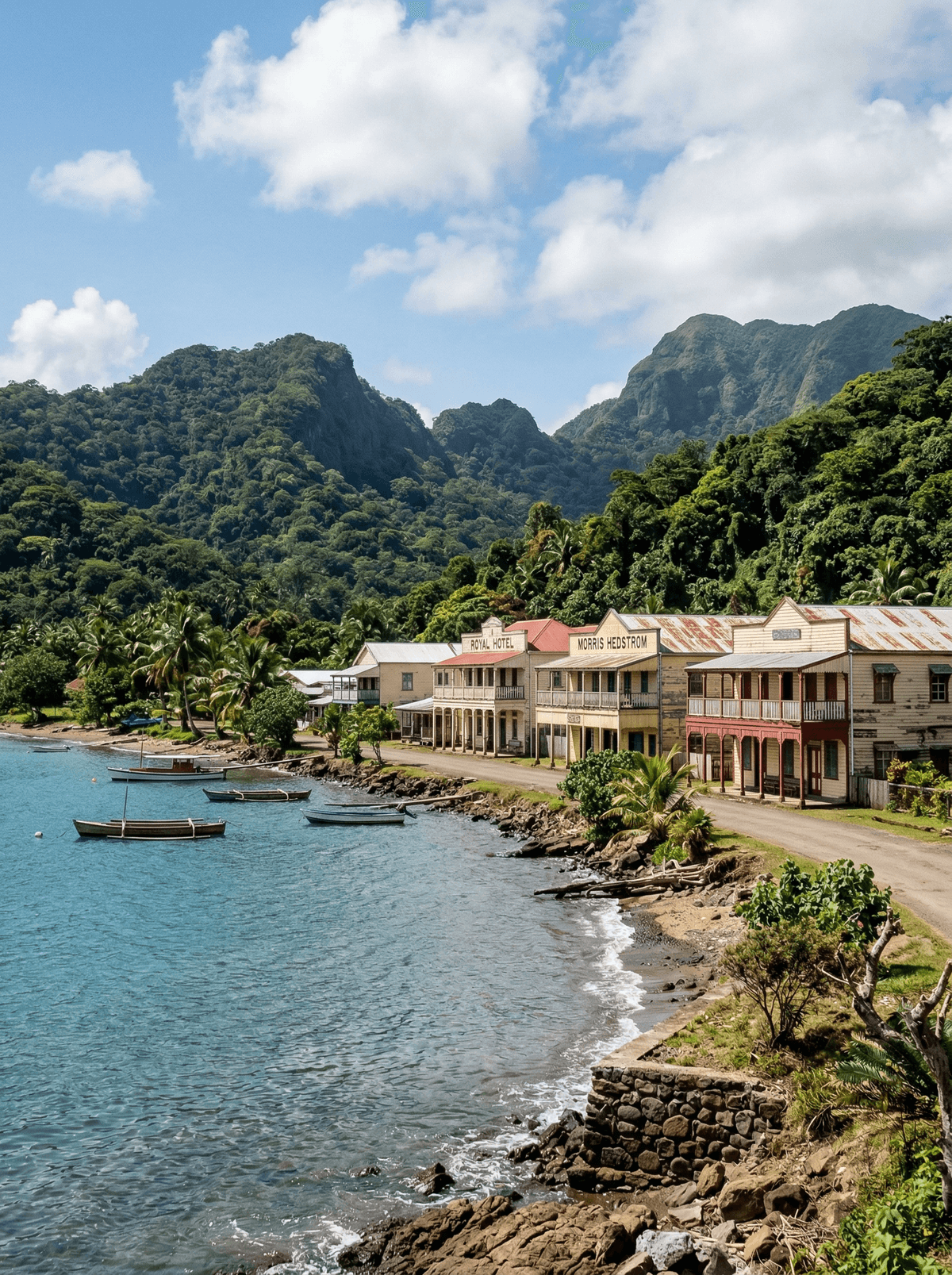
Fiji's first colonial capital frozen in the 1870s, wooden shopfronts sagging under tropical rain.
Levuka was built beneath a volcanic cliff so steep no road could pass behind it, so the town still ends where it began. The paint on Beach Street's timber shopfronts peels in the Pacific heat, the boards creak, and the modern world keeps a polite distance.
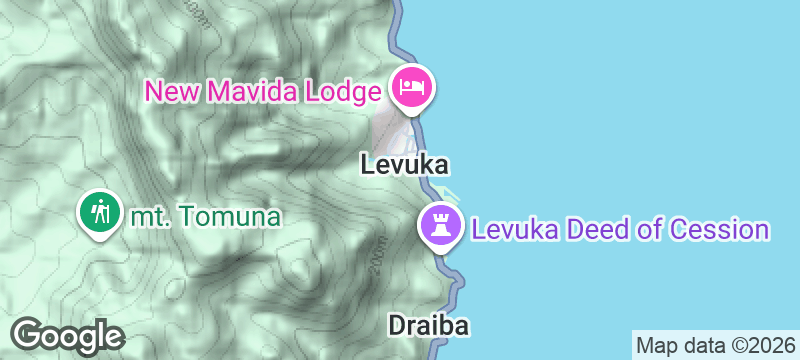
Levuka was Fiji's first colonial capital, and when the government left for Suva in 1882 the town simply stopped growing. UNESCO inscribed it in 2013 as an outstanding late colonial port town, Fiji's only World Heritage Site. The Deed of Cession that handed Fiji to the British Crown was signed here in October 1874, on a waterfront where the Royal Hotel, open since the 1860s, still takes guests and the stone church the Marist missionaries raised in the 1850s still stands above Beach Street. Levuka Public School, founded in 1879, is the South Pacific's oldest. Inland, past the island's green wall, Lovoni village sits inside the natural amphitheatre of a collapsed volcanic caldera, and the Patterson Brothers ferry still makes the slow crossing from Viti Levu.
Solo
The whole town is an open archive: a day of self-guided walking through genuinely unrestored colonial streets, museum to school to church.
Couple
Stay overnight at the Royal Hotel and the harbour front empties back to the 1870s once the day's visitors have caught the ferry home.
Family
The waterfront circuit is flat and short, and children can stand in the school, church and courthouse of a capital that simply stopped.
Friends
Pair the ferry crossing with the caldera road to Lovoni and a town walk, then compare curries at the Beach Street restaurants.
- The whole town is Fiji's only UNESCO World Heritage Site, a continuous run of nineteenth-century timber shopfronts pressed between cliff and sea.
- The Deed of Cession handing Fiji to the British Crown was signed here in 1874; eight years later the capital left for Suva and the town stood still.
- The Royal Hotel has taken guests since the 1860s and is widely regarded as the South Pacific's oldest operating hotel.
- Inland, Lovoni village sits inside the natural amphitheatre of a collapsed volcanic caldera.
At New Horizon, owner-chef Saroj grills the day's tuna or snapper and cooks Indian curries from scratch.
Whale's Tale on Beach Street serves Fijian and European home cooking in a casual seafaring room.
Terceira
Portugal
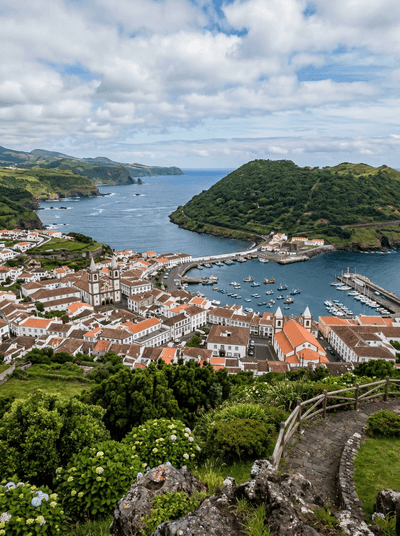
A UNESCO city with bull-runs in village streets and lava tunnels under the pastures.
Coimbra
Portugal
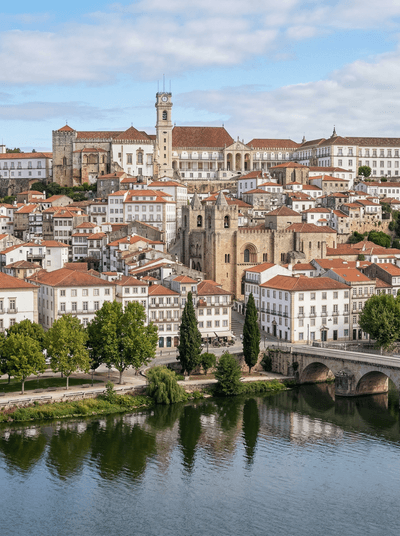
Black-caped students sing fado on medieval steps above a library gilded in Brazilian gold.
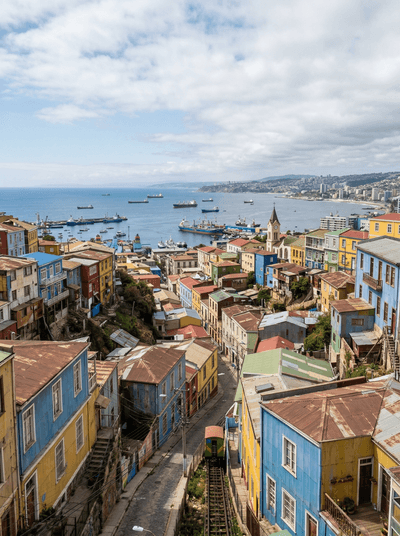
Valparaíso
Chile
Rattling hillside lifts climb between painted houses above a working Pacific port.
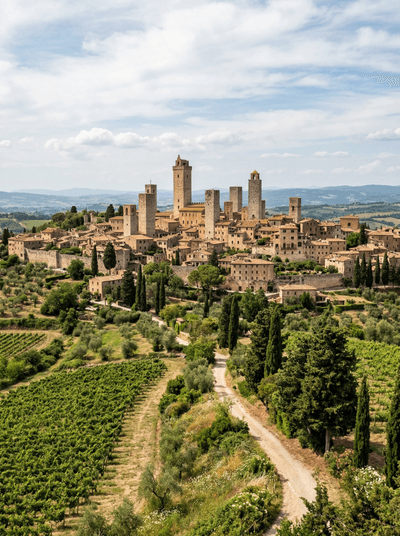
San Gimignano
Italy
Fourteen medieval towers still standing like a Tuscan Manhattan, casting shadows across the piazza.
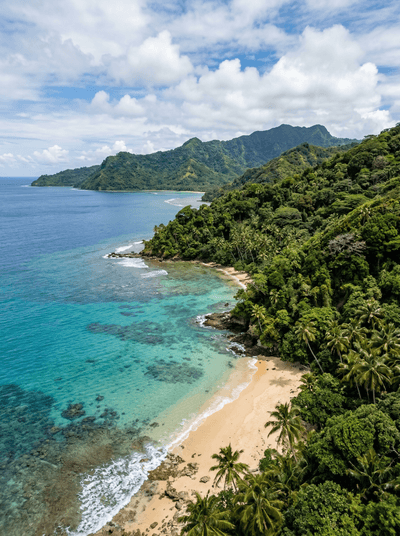
Koro Island
Fiji
Cyclone Winston flattened Koro in 2016; the villages rebuilt, and sailors still linger for the reefs.
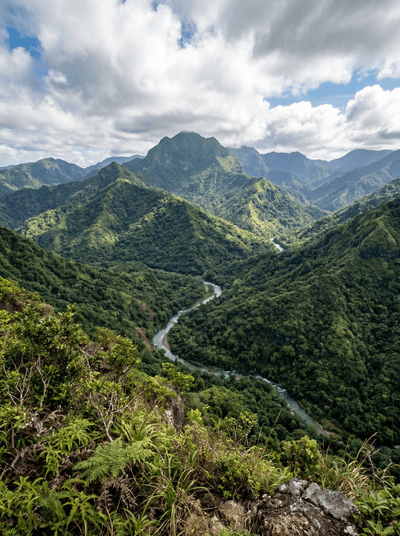
Namosi Highlands
Fiji
Bamboo rafts still run the cold green rivers under Namosi's cloud-hung jungle walls.
Yasawa Islands
Fiji
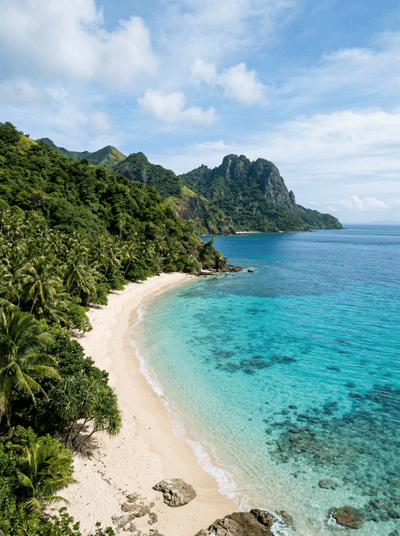
Volcanic spines pierce the Pacific, each island ringed by its own shade of turquoise.