Indonesia
Nias Island
At Bawömataluo, jumpers still clear a two-metre stone tower in a single leap.
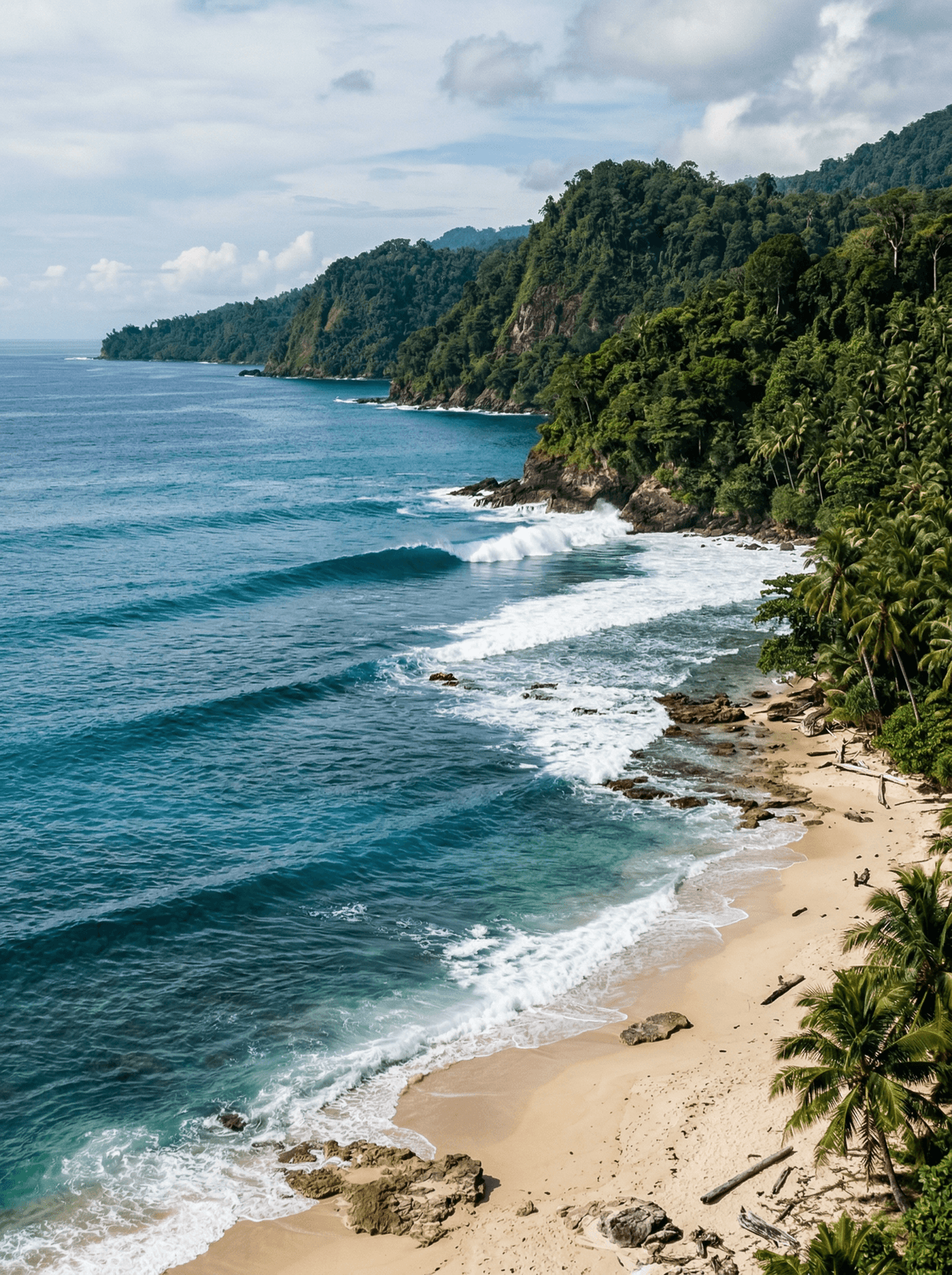
The runner accelerates across the village court, plants, and flies over a stone tower taller than himself. Fahombo is Nias's signature act, kept by the village that built its houses on pillars and its courtyards in stone. Downhill, Lagundri Bay peels with some of the Indian Ocean's most powerful surf.
Nias sits off North Sumatra's west coast, and its south holds both of the island's callings. Bawömataluo, a recognised tourism village on UNESCO's tentative list, keeps the fahombo stone-jumping tradition alive within an active community, its great wooden houses raised on massive pillars around stone-paved courts. Lagundri Bay below is among the world's storied surf destinations, its right-hander at Sorake best on the big season swells. The island rebuilt after the 2004-05 earthquake and tsunami years, and several days split naturally between coast and villages.
Solo
A Sorake guesthouse bases one traveller for both the surf and the village road.
Friends
Split the transport, share the lineup, and take the village day together.
- Fahombo stone jumping is practised at Bawömataluo within a living village, not a show.
- The village's wooden houses stand on massive pillars around stone courtyards.
- Sorake's right-hander is a world-class wave on the season's south swells.
- Village and coast together fill several days, an hour apart by road.
Babae, the slow coconut-milk bean dish, belongs specifically to Bawomataluo.
Surf-stay eating is supply-driven and simple: fish and rice dominate the week.
Manuel Antonio
Costa Rica
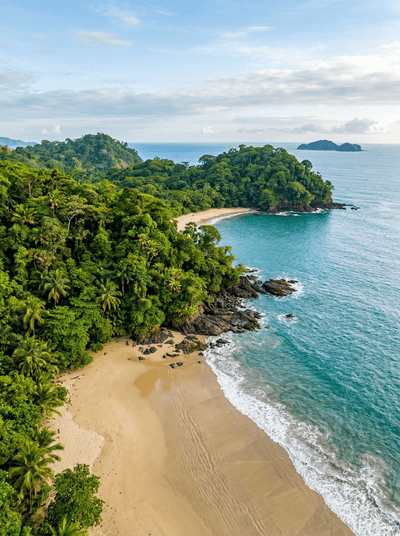
Capuchins patrol the sand beneath dozing sloths where rainforest walks into the ocean.
Vaitupu
Tuvalu
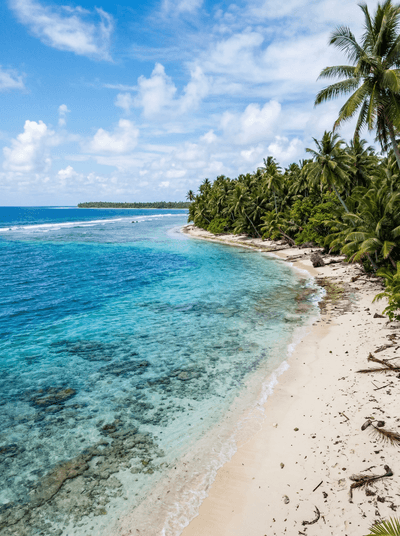
Tuvalu's largest island, where traditional sport te ano sends two woven balls flying at once.
Kadavu
Fiji
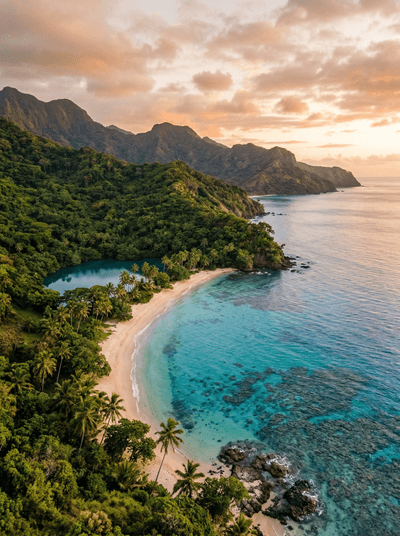
Manta rays circle the world's fourth-largest barrier reef, off villages the road barely reaches.
Monuriki
Fiji
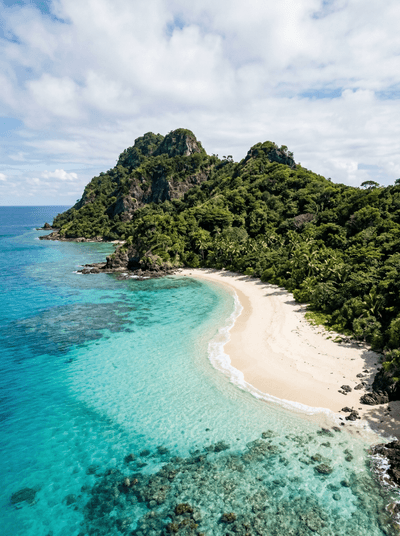
The island from Cast Away truly belongs to crested iguanas brought back from the brink.
Ijen Crater
Indonesia
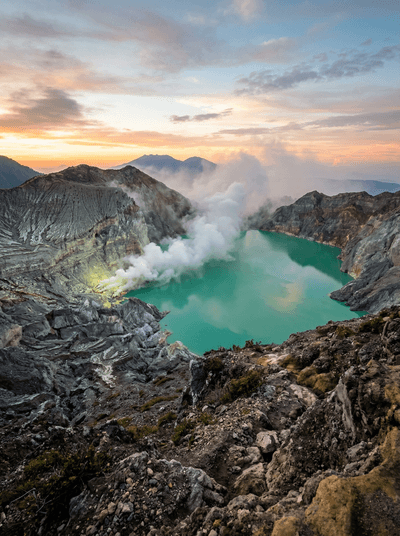
Sulphur miners and blue fire share Ijen's crater with a kilometre-wide acid lake.
Lake Toba
Indonesia
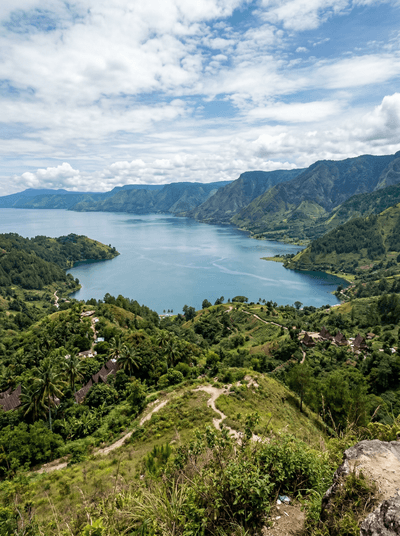
A volcanic island the size of Singapore floats inside the largest caldera lake on Earth.
Mentawai Islands
Indonesia
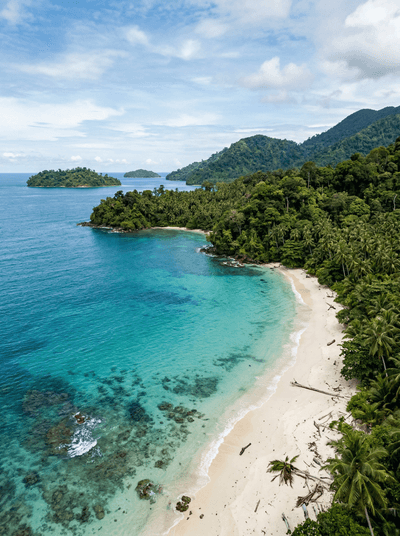
Sago smoke in the longhouse, heavy water on the reef: the Mentawais run two worlds.
Borobudur
Indonesia
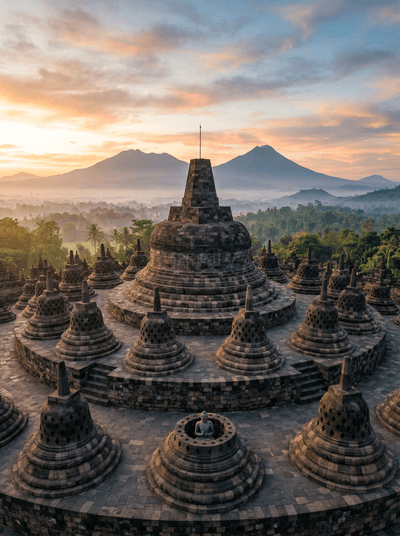
Buried under ash and jungle for centuries, the stone mandala came back.