Japan
Okinawa Main Island
A subtropical kingdom with its own language, its own martial art and famously long-lived people.
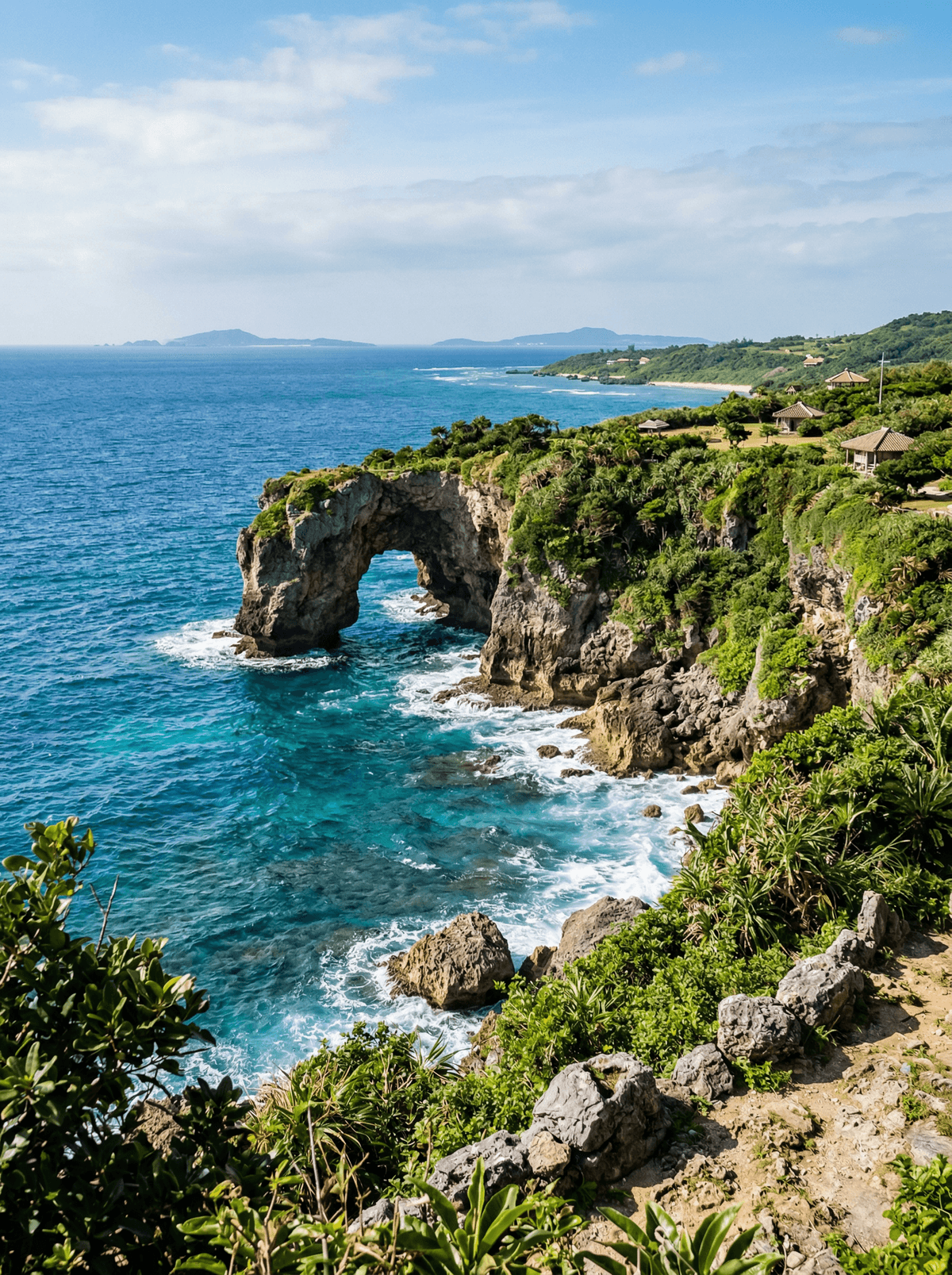
The kingdom is still here. Beneath the American bases and the resort hotels, Okinawa's main island keeps a Ryūkyūan culture distinct from mainland Japan — its own language, its own music, its own food, its own way with the sea and with old age. Shuri Castle, burned and raised again more than once in its history and burned again in 2019, remains the symbol Naha rebuilds itself around, proof that what keeps getting destroyed keeps getting rebuilt.
Okinawa was the independent Ryūkyū Kingdom until 1879, a maritime crossroads whose court hosted envoys from China and beyond, and the banquet cuisine, the bingata dyeing and the karate that grew up here are still visibly its own. The islands are one of the world's Blue Zones, where people live markedly longer than the global average, and the locals credit the food — purple sweet potato, bitter melon, tofu, seaweed, and pork belly simmered until the fat turns to silk. In the north, Churaumi Aquarium keeps whale sharks in a tank among the largest anywhere. And the American decades left their own layer: taco rice in the diners around the bases sits happily beside soki soba.
Couple
Shuri's ramparts, beach resorts, a food culture that mixes taco rice with soki soba, and sunsets over the East China Sea — Okinawa is Japan's tropical escape.
Family
Churaumi Aquarium, easy reef snorkelling off lifeguarded beaches, and a culture that welcomes children into every restaurant and shop.
Friends
Island-hopping, diving, the Naha nightlife strip, and the oddity of American diners next to Ryūkyūan shrines give groups endless variety.
- Shuri Castle, seat of the Ryūkyū kings, has burned and been raised again more than once — the 2019 fire is only the latest chapter.
- Okinawa is one of the world's Blue Zones, and the islanders credit their long lives to purple sweet potato, bitter melon and slow-cooked pork.
- Churaumi Aquarium in the north keeps whale sharks in a tank among the largest anywhere.
- American bases and Ryūkyūan culture share the island — the food scene mixes taco rice with soki soba.
Rafute — pork belly simmered for hours in awamori and brown sugar until it collapses under the chopstick.
Taco rice at a diner near Kin, the town that invented Okinawa's improbable American-Japanese comfort food.
Cephalonia
Greece
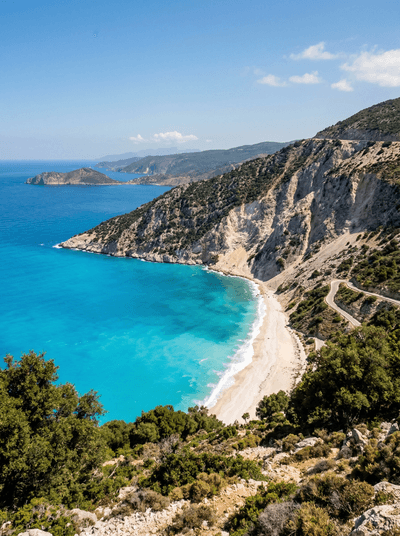
Sunlight pierces a collapsed cave roof onto an underground lake that glows from below.
Nungwi
Tanzania
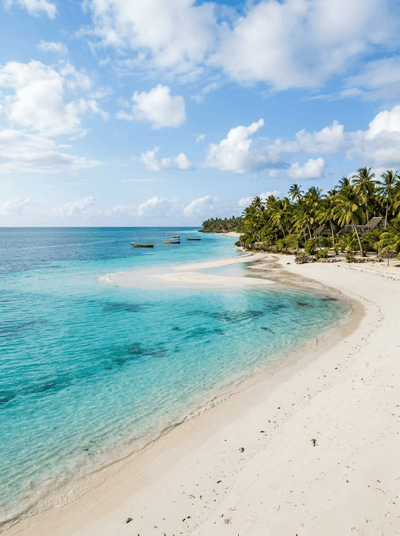
Dhow builders hammer hulls on a beach that dines at its fish market by night.
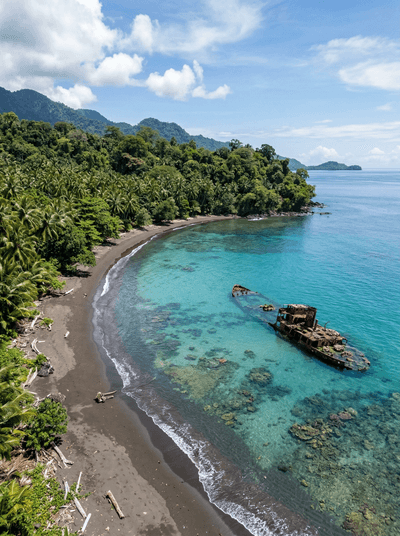
Bonegi Beach
Solomon Islands
A freighter's bow still breaks the surface where she was beached in 1942.
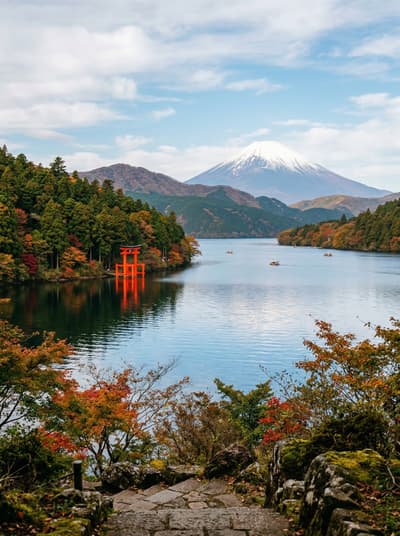
Hakone
Japan
Hot-spring inns above a volcanic lake with Fuji framed in the window on a clear day.
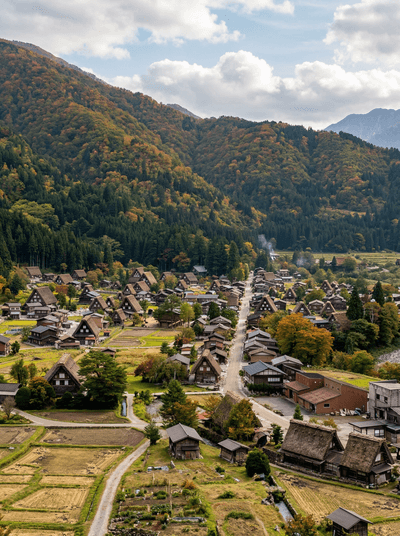
Shirakawa-go
Japan
Thatched roofs steep as praying hands, built for snow that buries the ground floor.
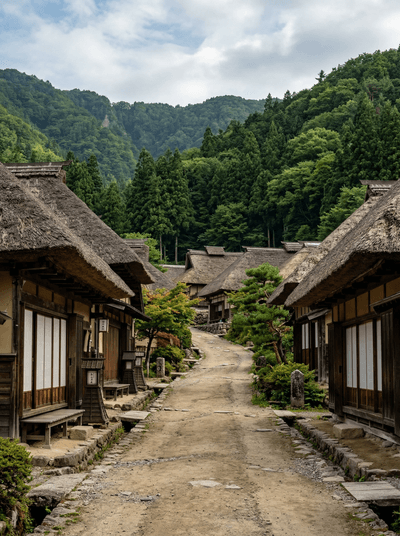
Ouchi-juku
Japan
Thatched-roof inns lining a mountain highway frozen since the samurai stopped passing through.
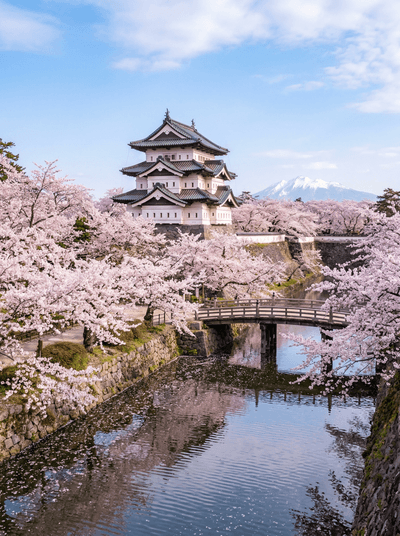
Hirosaki
Japan
Apple orchards around a castle moat where fallen cherry petals form a pink floating carpet.