Tanzania
Pare Mountains
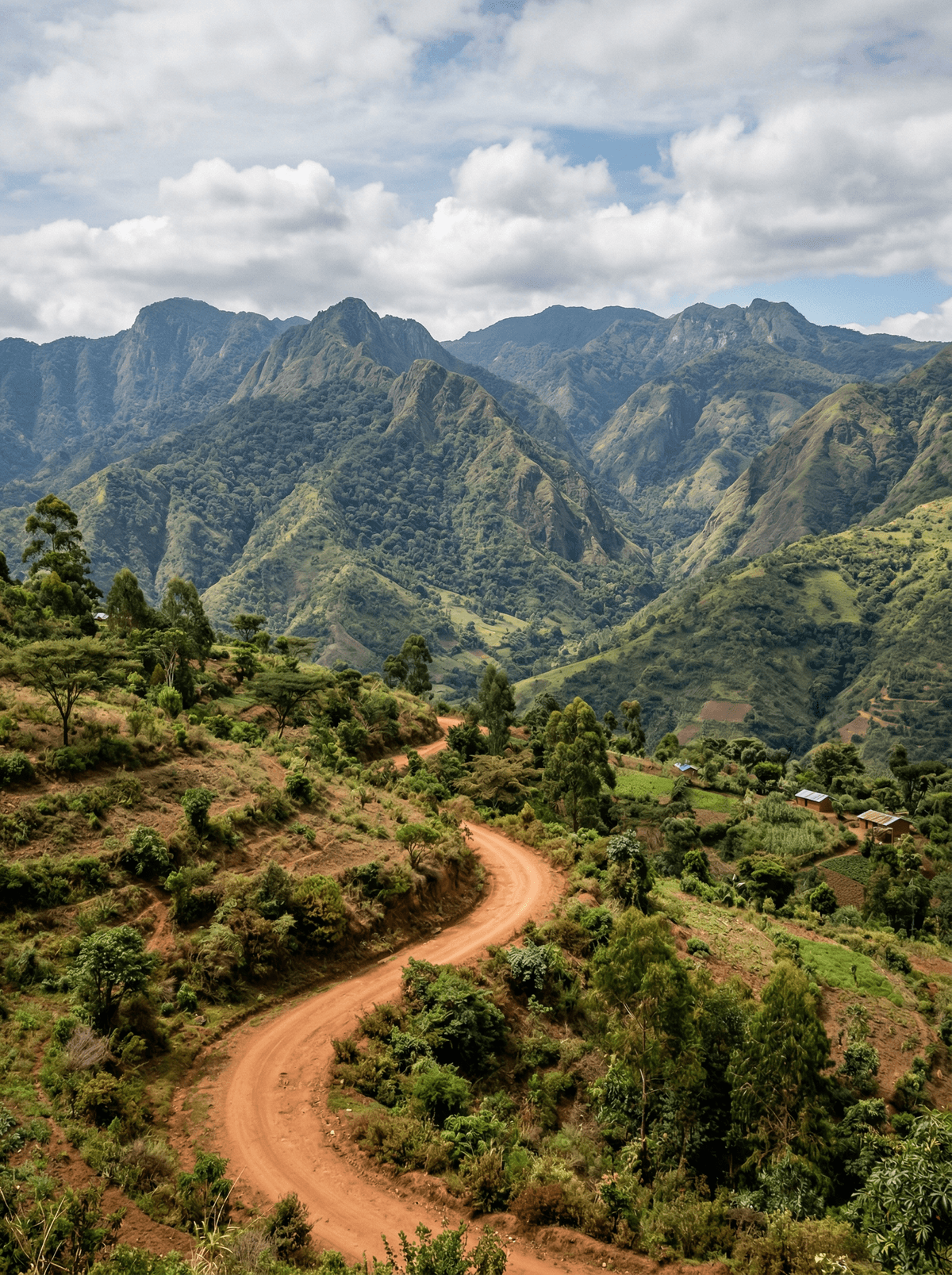
Irrigation channels cut centuries ago still water the terraces below.
The Pare cut their irrigation into these slopes centuries ago, mfongo channels carrying highland water down through the terraces, and the channels still run. The mountains keep their engineering quietly, off the tourist road entirely.
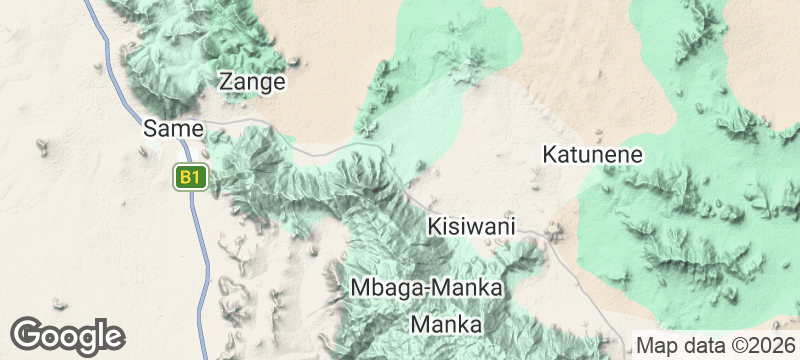
The Pares rise between Kilimanjaro's plains and the Usambaras, Eastern Arc mountains where the Pare people's centuries-old mfongo furrow irrigation still feeds the terraced farms below. Chome's forest reserve programme walks the high paths with traditional music and the local brew among its hospitality, the drier stretches either side of the rains carrying the trails. Almost no tourism reaches here, which leaves the mountains exactly as their farmers keep them.
Solo
Solo walkers can hire a Chome guide and use named managed trails rather than seek undefined remoteness.
Couple
Couples can share forest, farms and South Pare views on a route matched to their walking pace.
- Centuries-old mfongo channels still carry water to the terraces.
- The Eastern Arc's endemism runs through the forest reserves.
- Chome's programme walks the high paths with village hospitality.
- The tourist road passes the Pares entirely by.
Chome's reserve programme serves the local brew with its village hospitality.
Farm kitchens cook the terraces' own produce; the mountains import little.
Kyzyl-Oi
Kyrgyzstan
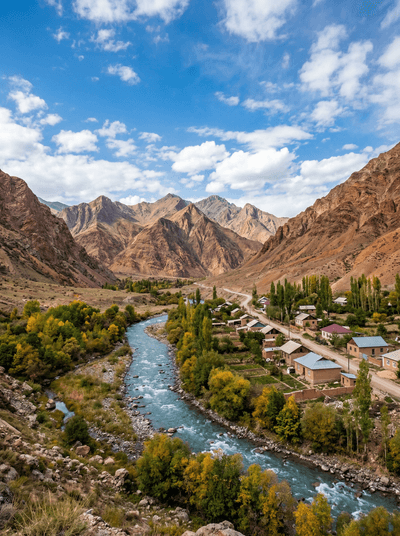
A village of red clay houses inside a red-rock gorge, settled before the Soviets rearranged Kyrgyzstan.
Țipova
Moldova
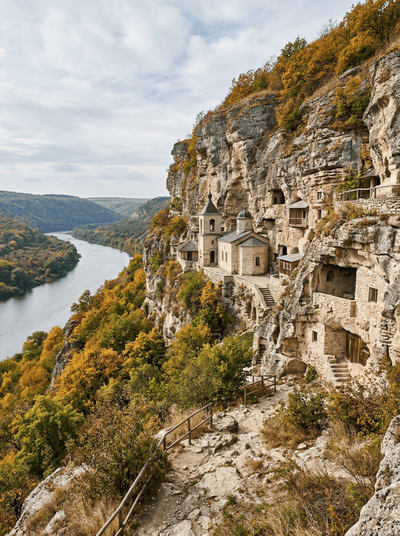
Hermit cells climb a Dniester cliff where legend buries Orpheus in a nook of a waterfall.
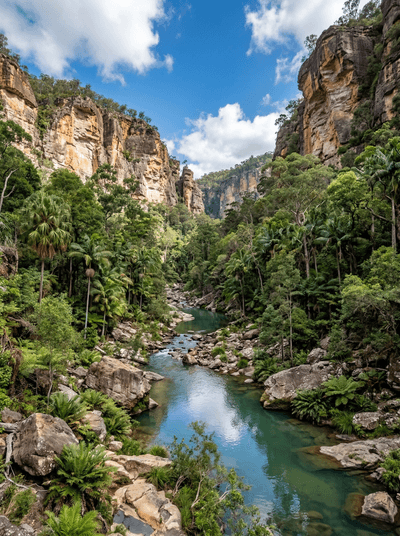
Carnarvon Gorge
Australia
Ochre stencils crowd sandstone walls deep beyond a gorge of palms and creek crossings.
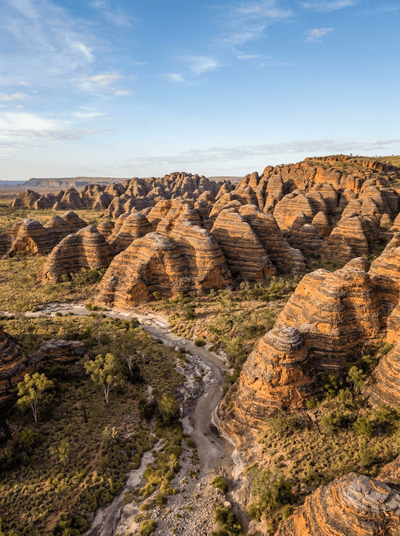
Purnululu (Bungle Bungles)
Australia
Living black crust stripes orange sandstone domes across a Kimberley range.
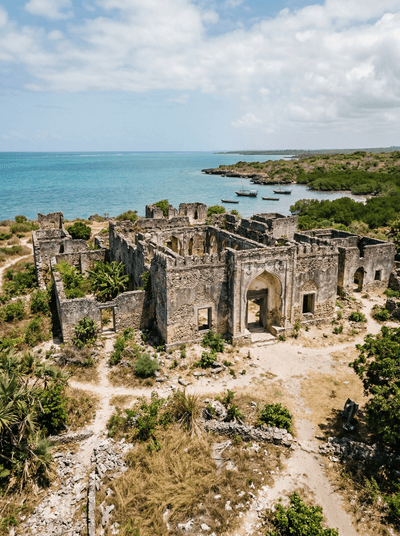
Songo Mnara
Tanzania
A medieval Swahili town crumbles into mangrove roots, its rooms still legible.
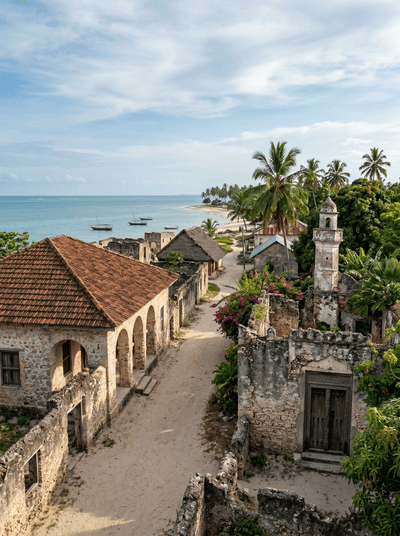
Bagamoyo
Tanzania
The enslaved named this port 'lay down your heart,' and its coral lanes remember.
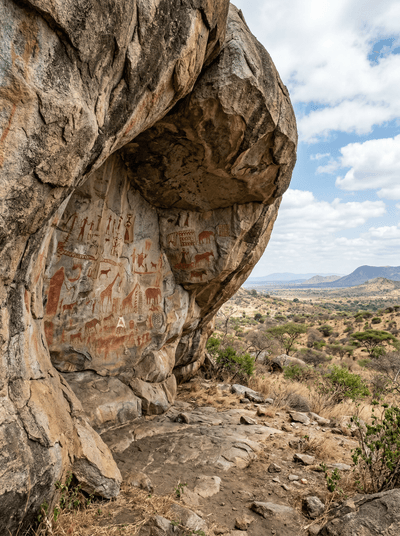
Kondoa Rock Art Sites
Tanzania
Ten thousand years of ochre hunters layer the sandstone of a valley few visit.
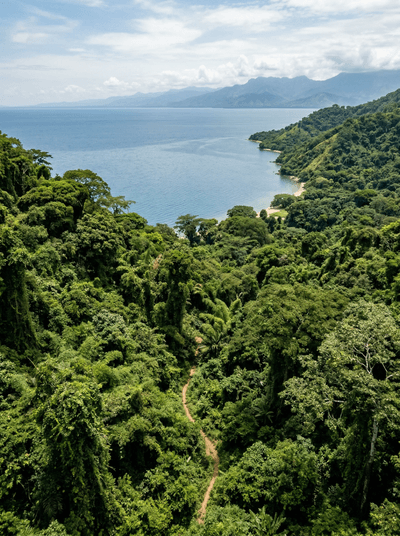
Gombe Stream National Park
Tanzania
Six decades of habituated chimpanzee families in a forest strip so narrow you hear the lake.