Chile
Robinson Crusoe Island
The actual island where Alexander Selkirk was marooned — endemic hummingbirds found nowhere else alive.
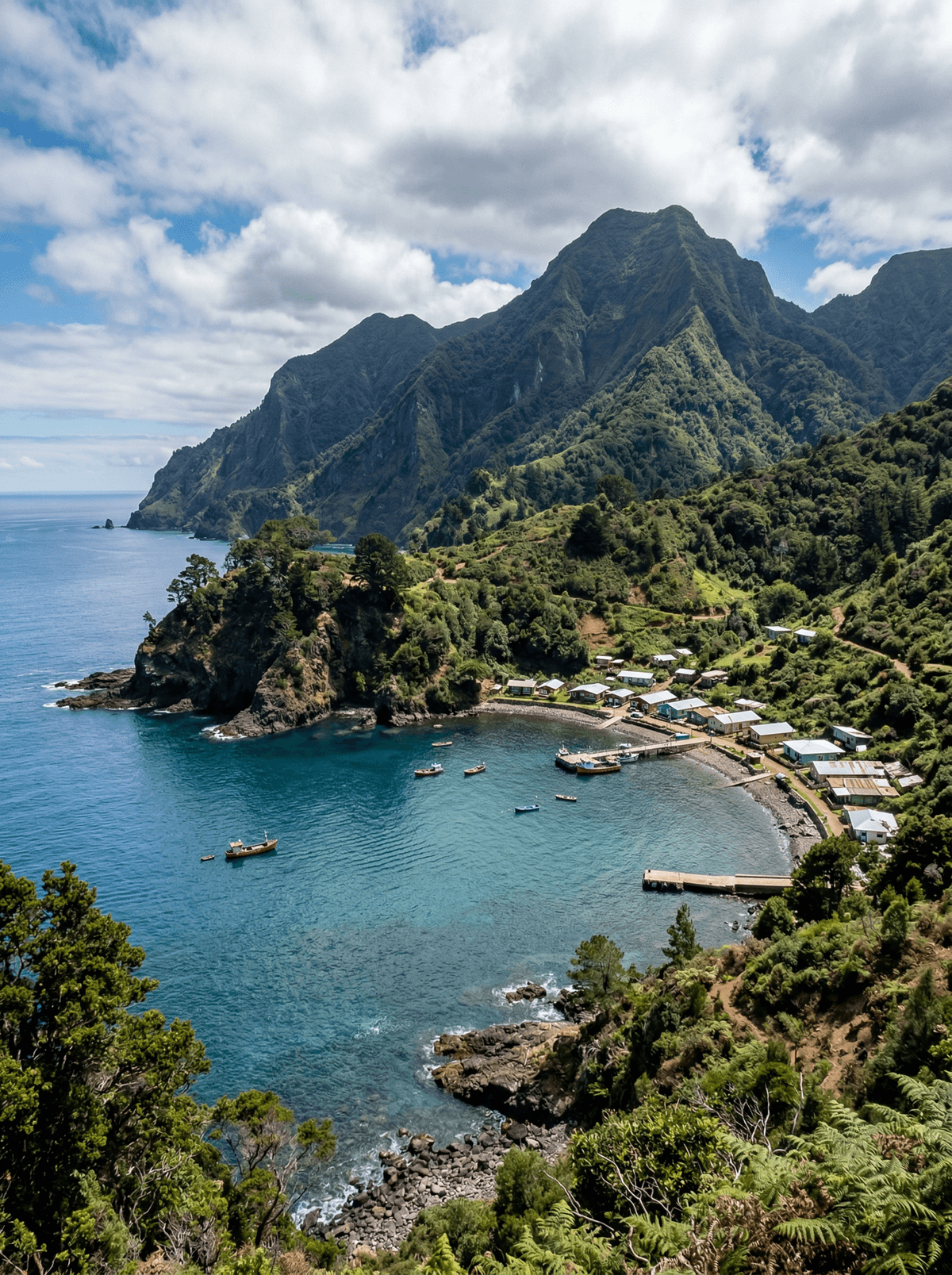
The light aircraft drops below the cloud layer and a volcanic peak materialises from the Pacific — green, jagged, impossibly small against the ocean that surrounds it for 670km in every direction. The runway is a dirt strip cut into the hillside, the village has 900 residents, and a hummingbird with a blood-red chest lands on a branch that exists nowhere else on Earth. Robinson Crusoe Island in Chile's Juan Fernández Archipelago is where remoteness stops being a concept and becomes a physical condition.
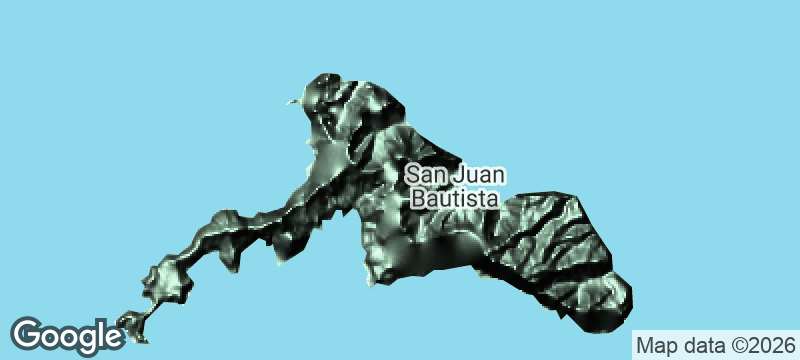
Robinson Crusoe Island is the place where Scottish sailor Alexander Selkirk survived alone for 4 years and 4 months from 1704 to 1709 — his story became the direct basis for Daniel Defoe's novel. The island holds 150 endemic plant species found nowhere else on Earth, alongside the Juan Fernández firecrown, a hummingbird that exists only in this archipelago. Access is by light aircraft from Santiago — a 2-hour flight with no scheduled boat services, keeping the permanent population at around 900 in the village of San Juan Bautista. The island operates entirely on solar and wind power, with no grid connection to the mainland and no generator noise after dark. The local economy centres on Juan Fernández spiny lobster, pulled from traps each morning and grilled simply with lemon and butter at the village's handful of restaurants.
Solo
An island of 900 people accessible only by light aircraft, powered entirely by wind and solar, with endemic species found nowhere else — Robinson Crusoe rewards the kind of traveller who goes to places most people don't know exist.
Couple
Share lobster grilled that morning, hike to the lookout where Selkirk watched for rescue ships, and sleep in a village where the loudest sound after dark is the Pacific hitting volcanic rock.
- Alexander Selkirk lived alone here for 4 years and 4 months from 1704 to 1709 — his survival became the direct basis for Daniel Defoe's novel.
- The island has 150 endemic plant species found nowhere else on Earth, alongside Juan Fernández hummingbirds with blood-red chests that exist only in this archipelago.
- Access is by light aircraft only — a 2-hour flight from Santiago with no scheduled boat services, keeping the permanent population at around 900 people.
- The island operates entirely on solar and wind power — there is no grid connection to the mainland and no generator noise at night.
Juan Fernández spiny lobster — pulled from traps that morning, grilled simply with lemon and butter.
Fishermen's stew of local grouper, potato, and island herbs in San Juan Bautista's only restaurants.
Home-baked bread from the village bakery, the only one on an island of 900 people.
Hideaway Island
Vanuatu
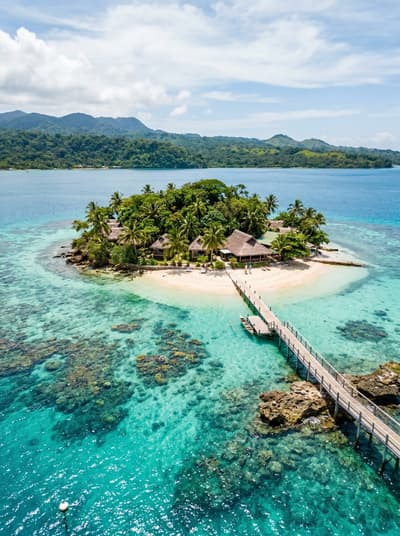
Post a waterproof postcard from the world's only underwater post office, then snorkel its coral reef.
Ureparapara
Vanuatu
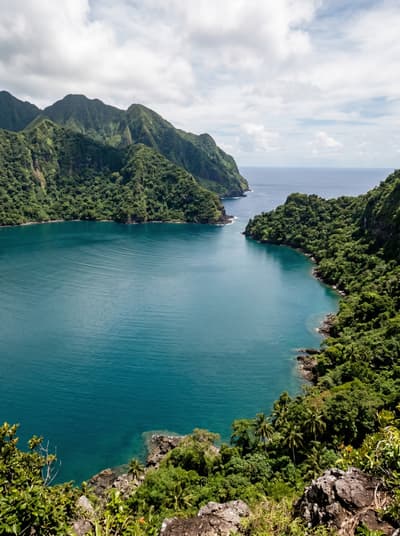
Sail into the flooded crater of a horseshoe-shaped volcanic island where fewer than 500 people remain.
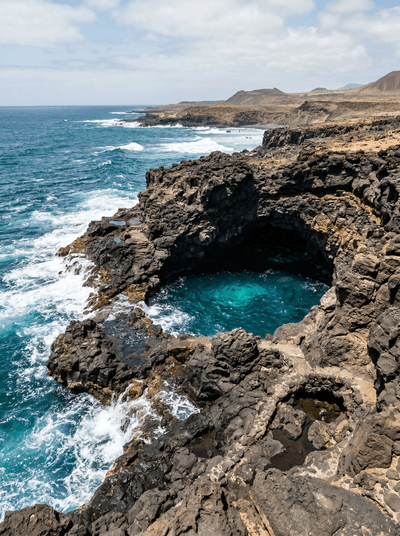
Buracona
Cape Verde
At midday, sunlight plunges through volcanic rock and ignites an underwater cave into electric blue.
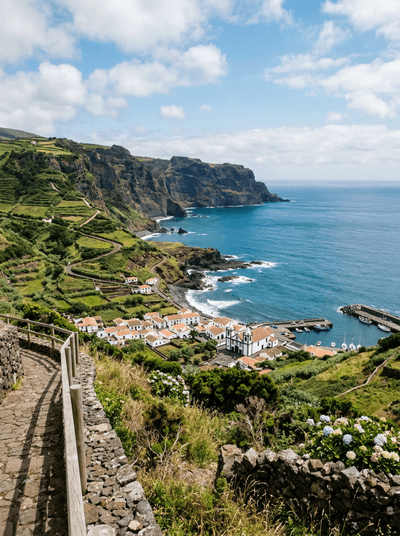
Santa Maria
Cape Verde
Trade winds blast a long golden beach where kitesurfers trace arcs above turquoise Atlantic rollers.
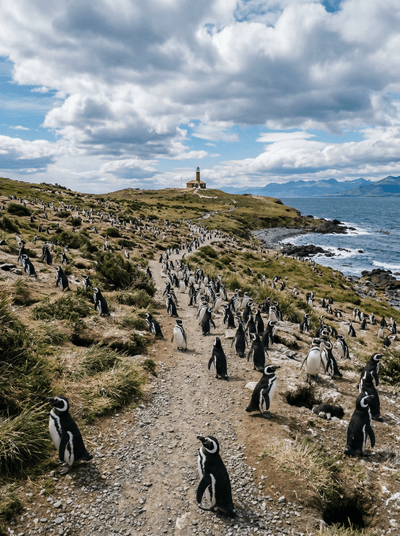
Isla Magdalena
Chile
Magellanic penguins in their tens of thousands, nesting so close you walk through their colony.
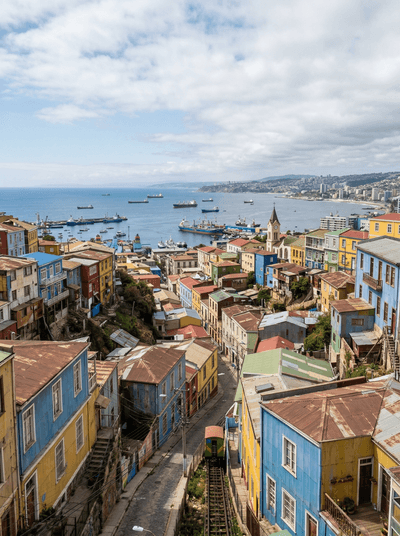
Valparaíso
Chile
Forty-two hills of riotous street art where funiculars creak between graffiti-walled stairways.
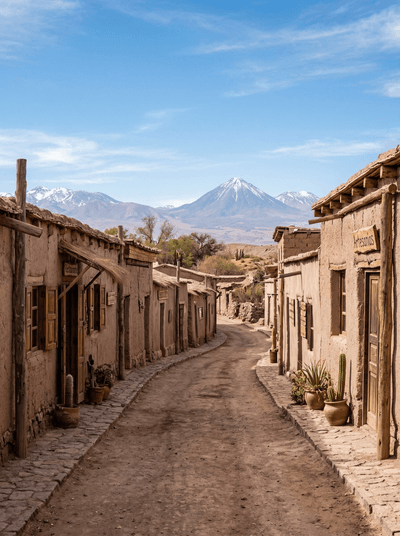
San Pedro de Atacama
Chile
Adobe village where you stargaze through the driest, clearest sky on Earth.
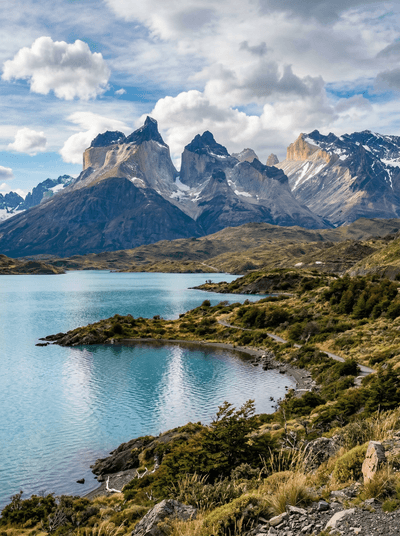
Torres del Paine
Chile
Granite towers erupt from Patagonian steppe, condors riding thermals above ice-blue lakes.