India
Sundarbans
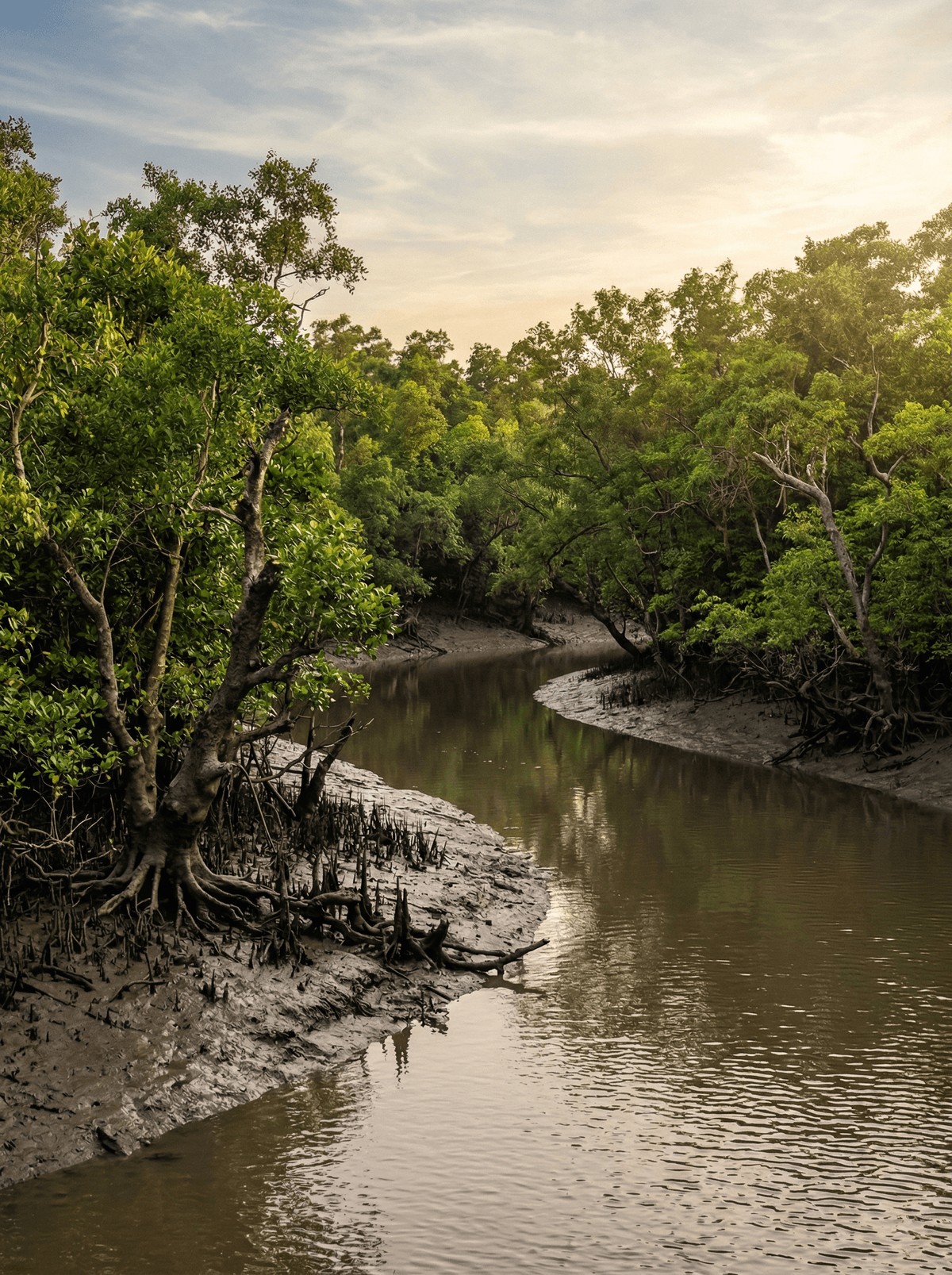
Mangrove swamps where tigers swim across muddy delta rivers and honey-gatherers wear masks facing backwards.
The mangrove roots plunge into black tidal water. Somewhere in the green maze, a tiger is swimming. In the Sundarbans the apex predator hunts in water, the honey-gatherers wear masks on the backs of their heads, and the forest floor floods twice a day with the tide.
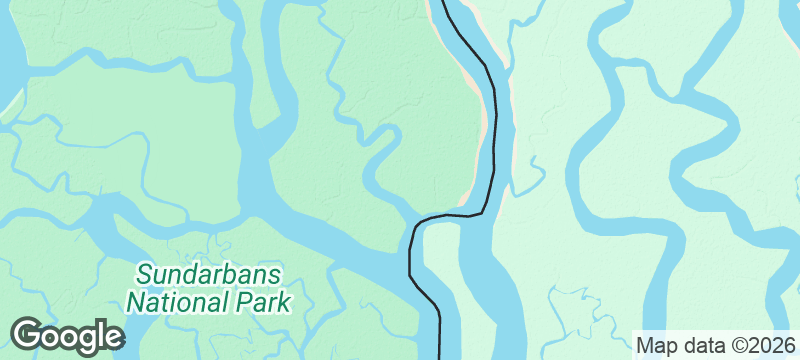
The Sundarbans is the largest mangrove forest on Earth, spread across the Ganges-Brahmaputra delta on both sides of the India-Bangladesh border. The Indian side, UNESCO-inscribed, holds a tiger population that swims between islands and hunts in tidal water — the only one that does — and every visiting group travels by boat with a licensed guide, as the permit rules require. The Mowali honey-gatherers still enter the forest in backward-facing masks to confuse a stalking tiger.
Solo
Join a licensed boat and stay glassed-up at dawn — the channels give tigers up rarely, and everything else generously.
Couple
Take the slow launch, share the hide platforms, and let the tide set the timetable.
Family
Older children get crocodiles, kingfishers and the masked honey-gatherer story — tigers are the lottery.
Friends
Split a chartered boat, keep a sightings ledger, and settle it over mud crab in mustard oil.
- Tigers here swim between islands and hunt in the tide — nowhere else on Earth.
- The backward-facing masks are survival engineering, not folklore.
- Boat safaris thread channels where crocodiles bask and kingfishers flash electric blue.
- The whole forest floods and drains twice daily — an ecosystem with a pulse.
The boats cook everything aboard — five meals a day out of a small galley, the day's fish in the pot.
Wild mangrove honey, smoky and sharp, is the forest's own — bought from the cooperatives, never gathered yourself.
Peneda-Gerês
Portugal
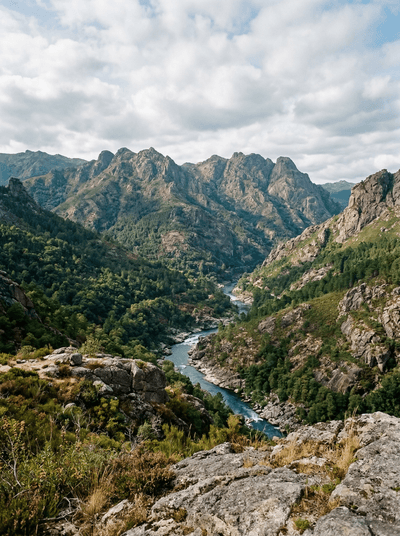
Portugal's only national park — granite canyons, wild horses, Roman milestones on lost paths.
Ngare Ndare Forest
Kenya
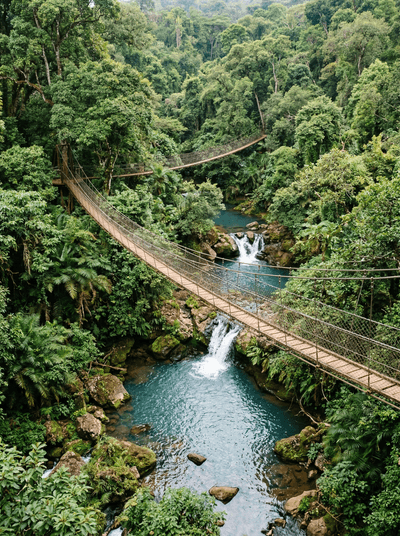
A canopy walkway sways ten metres above the forest floor, ending at turquoise natural pools.
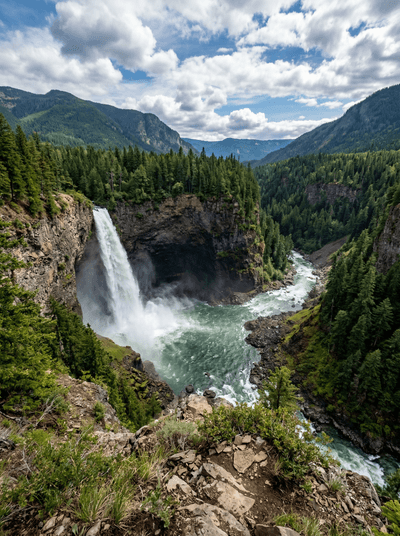
Wells Gray Provincial Park
Canada
Waterfalls on a volcanic scale pour through a park most itineraries still miss.
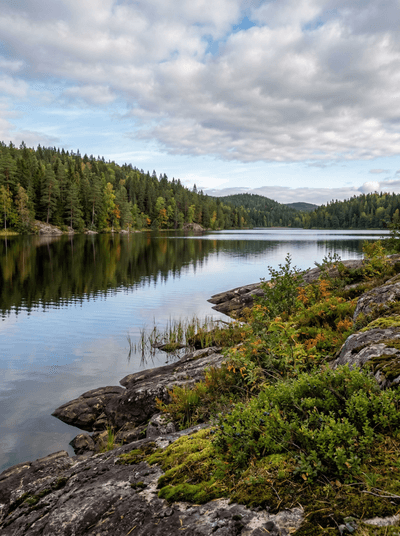
Glaskogen Nature Reserve
Sweden
Eighty lakes threaded by canoe routes through Värmland's silent forest.
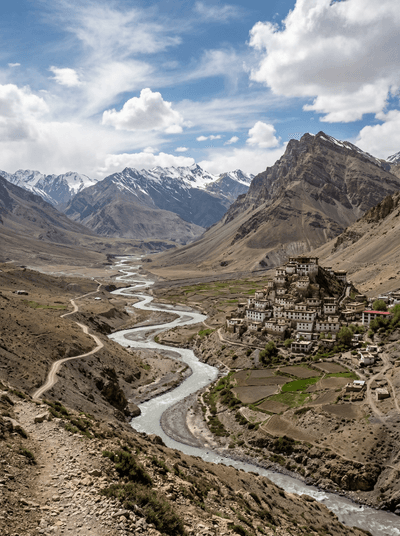
Spiti Valley
India
A high-altitude desert of wind-sculpted spires hiding Tibetan monasteries older than the borders.
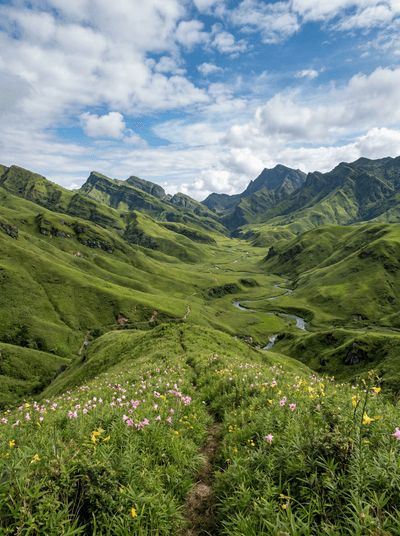
Dzukou Valley
India
Endless rolling mounds of dwarf bamboo hiding ice-cold streams and charred skeletons of ancient trees.
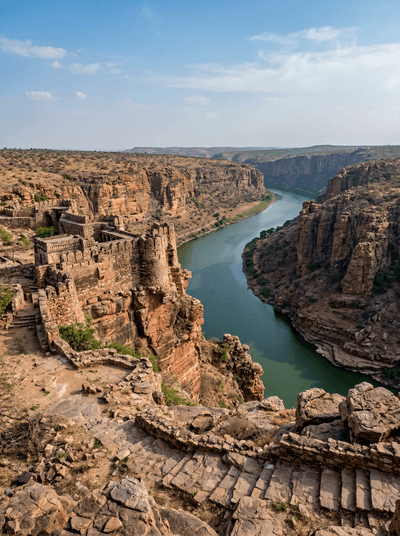
Gandikota
India
A red-stone gorge sliced through by a green river, guarded by a ruined fort.
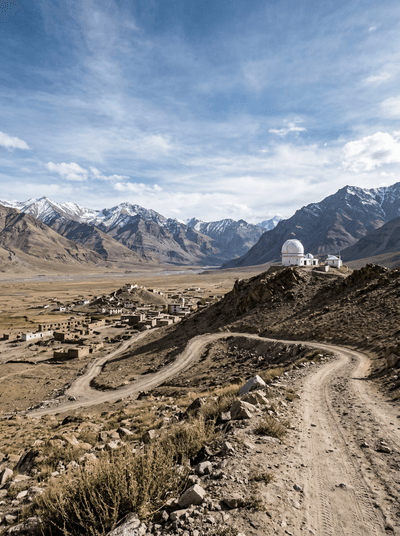
Hanle
India
India's darkest night skies, where a hilltop observatory and a Buddhist monastery both point upward.