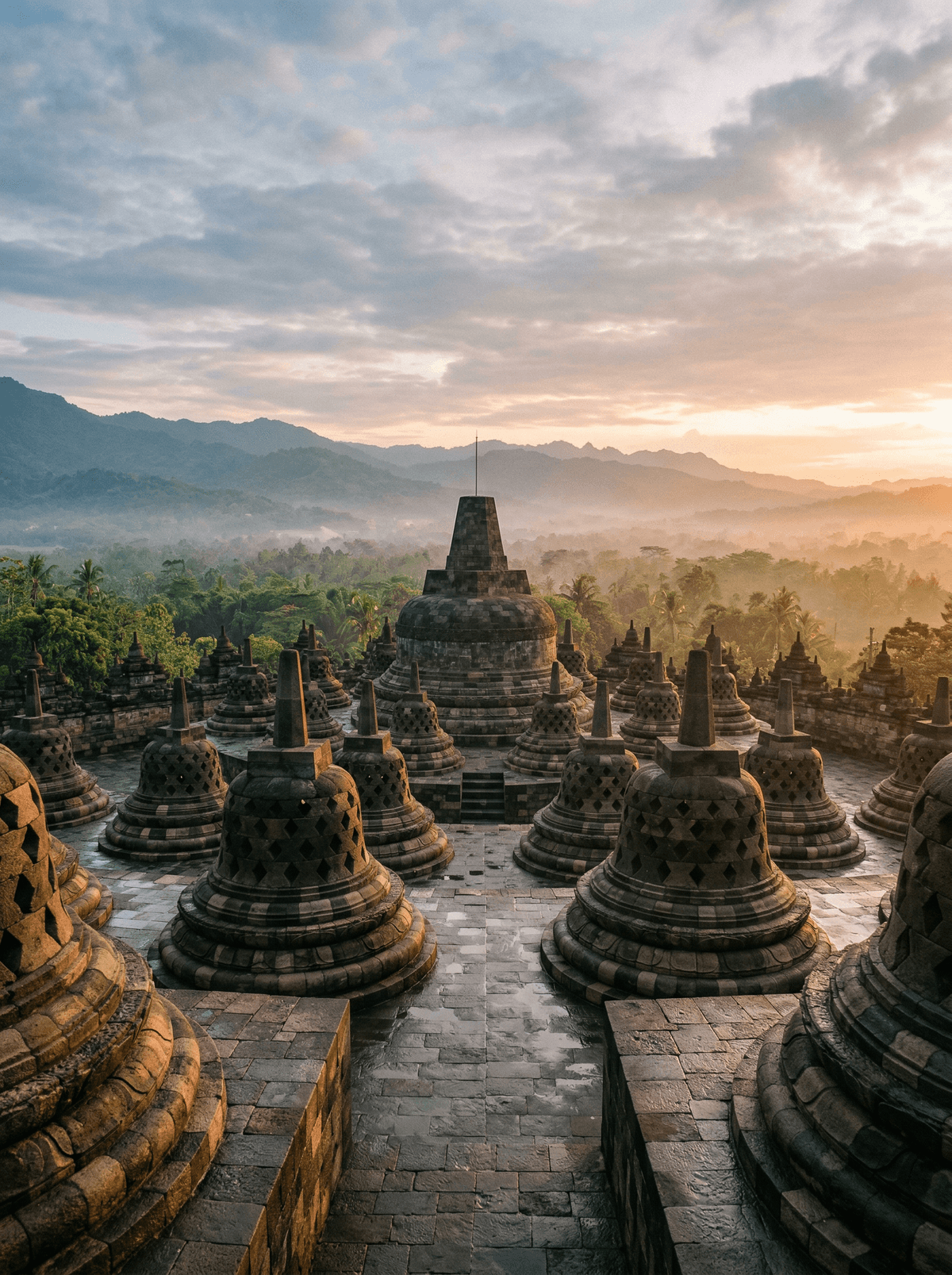
Indonesia
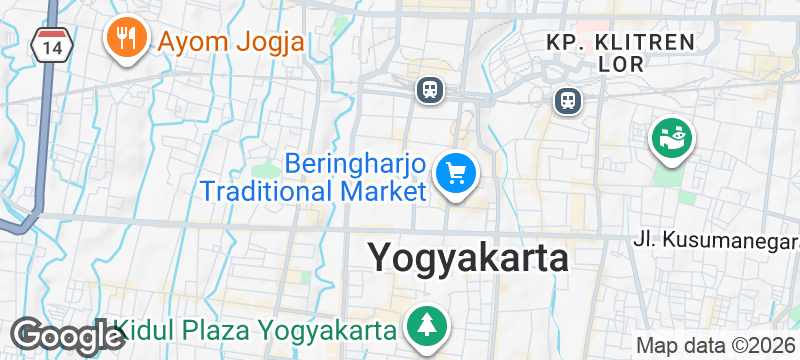
Yogyakarta
A sultan still governs here, and the city's arts still work for their living.
Gamelan spills from the kraton at dusk into streets thick with batik workshops, wayang makers and angkringan carts selling banana-leaf rice for pennies. The palace is not a monument; it is an address.
Yogyakarta is Java's cultural engine and one of Indonesia's two regions still governed by a traditional monarchy, its sultan serving as governor and its kraton functioning as a living court with daily performance traditions. The city concentrates Javanese arts into walkable districts: batik along Tirtodipuran, silver in Kotagede, wayang kulit workshops, and street food from dusk at the angkringan stalls. Borobudur and Prambanan sit within day-trip range, and the official tourism offices publish live opening and event information, worth checking because the arts here run on working schedules, not museum hours.
Solo
One walker can follow their own thread from palace to workshop to late-night stall.
Couple
A booked batik workshop and an evening performance shape a proper city day.
Family
Hands-on batik and shadow puppets hold children better than any display case.
Friends
Split by interest, art, food, heritage, and reconvene over the night market.
- The sultan still governs, and the kraton is a working court, not a shell.
- Batik, silver, wayang and gamelan each hold their own working district.
- Angkringan street stalls feed the city from dusk into the small hours.
- Borobudur and Prambanan both sit within day-trip range.
Gudeg, young jackfruit slow-cooked in coconut milk and palm sugar, is the city's signature.
Nasi kucing, tiny rice parcels with sambal and tempe, is the angkringan stall's currency.
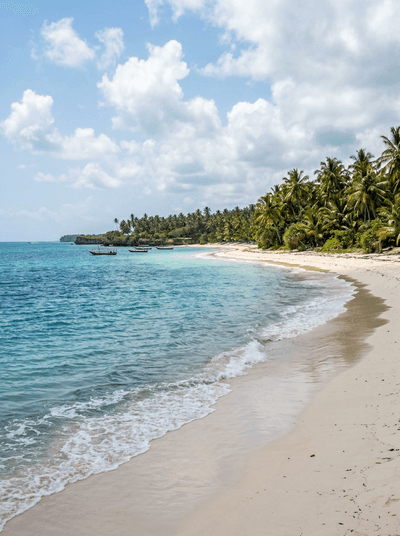
Malindi
Kenya
Vasco da Gama's 1498 pillar still stands where Swahili and Italian menus share the street.
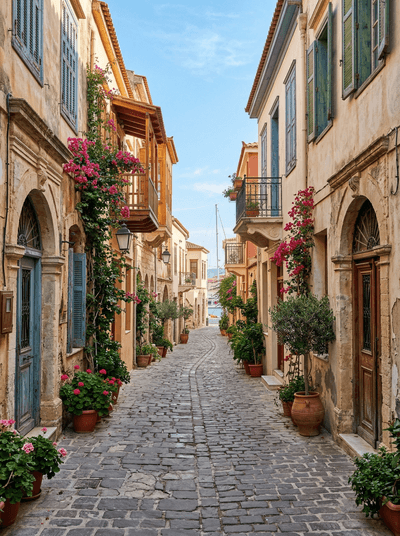
Chania Old Town
Greece
A Venetian harbour glowing at dusk where lighthouse and minaret share the skyline in tangerine light.
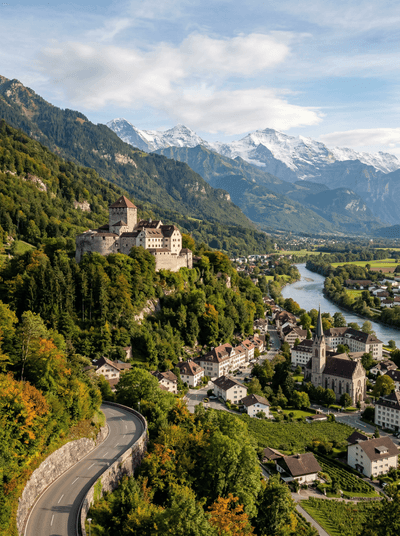
Vaduz
Liechtenstein
A capital small enough to cross on foot, its reigning prince asleep in the castle overhead.
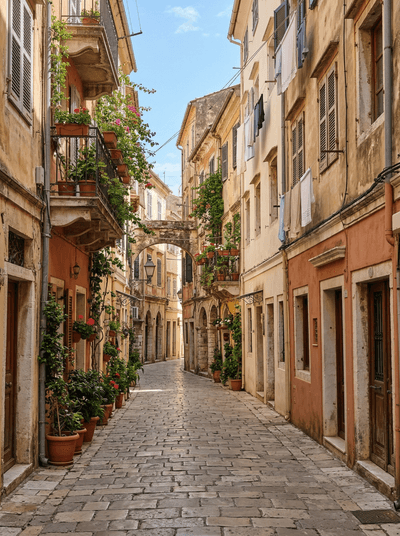
Corfu Old Town
Greece
Venetian alleyways hung with laundry open onto a cricket pitch — Greece's most Italian island.
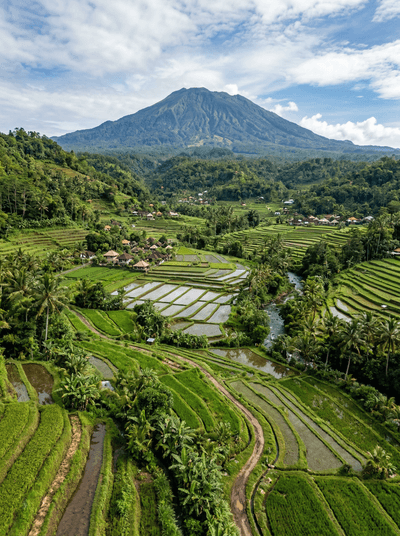
Sidemen Valley
Indonesia
Rice terraces climb toward Agung while looms click in the weaving houses below.
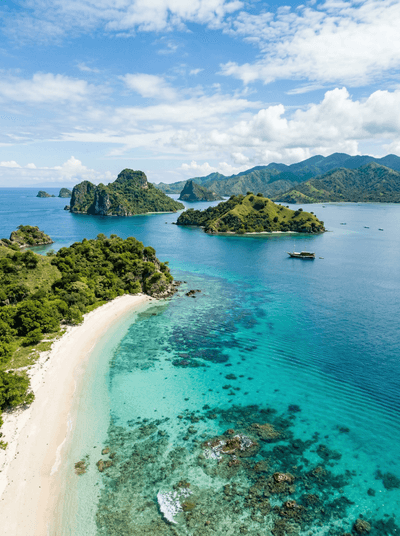
Riung 17 Islands
Indonesia
At dusk, thousands of flying foxes pour off one island and darken the strait.
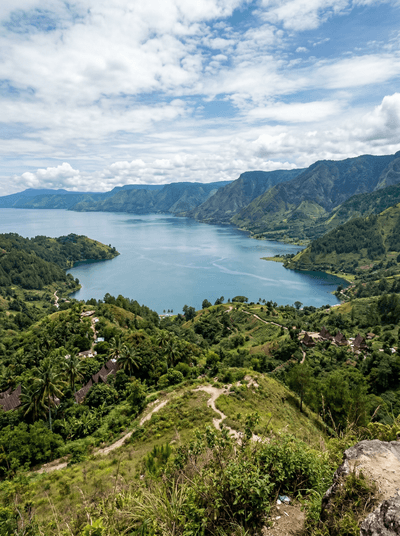
Lake Toba
Indonesia
A volcanic island the size of Singapore floats inside the largest caldera lake on Earth.
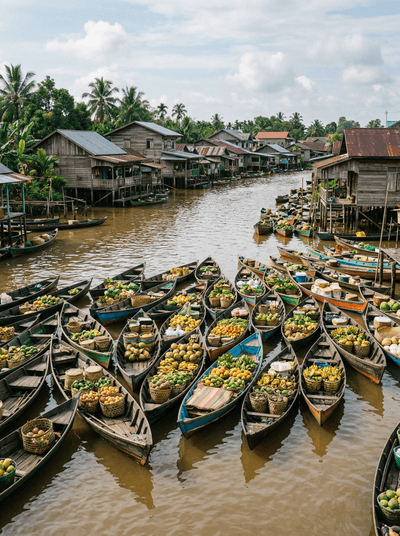
Banjarmasin
Indonesia
Before dawn, the market is a flotilla: produce, breakfast and gossip traded gunwale to gunwale.