Peru
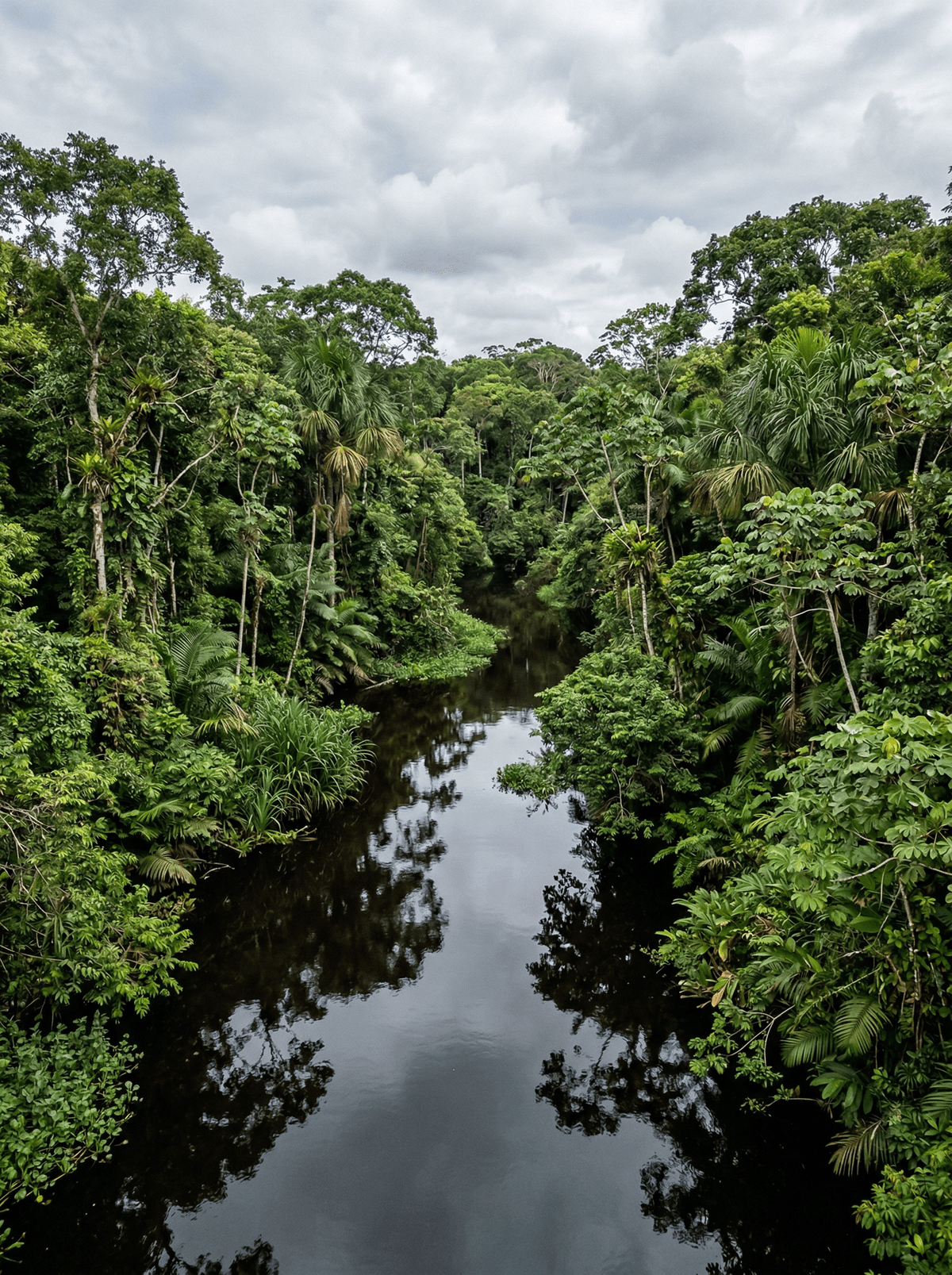
Allpahuayo-Mishana
White-sand forests hiding birds found nowhere else, half an hour from Iquitos.
The trees are stunted, pale-barked and wrong — nothing like the towering rainforest minutes away. Sand crunches underfoot where the Amazon should be mud. The bird calls are unfamiliar because the birds are unfamiliar: species that exist in this habitat and nowhere else at all.
Allpahuayo-Mishana National Reserve protects the Amazon's strangest local secret: varillal — white-sand forest growing lean and bright on nutrient-starved soil, its evolutionary pressure so particular that whole bird species split off to master it. The Iquitos gnatcatcher, Allpahuayo antbird and Mishana tyrannulet live here and essentially nowhere else, several of them formally described only in recent decades, and the reserve's blackwater-flooded forest adds a second rare habitat to the same visit. The scientific weight sits absurdly close to town — the reserve begins down the Nauta road from Iquitos — and is entered under the reserve's guiding rules on the Biodiversity Route — five hours best walked at dawn with boots, repellent and realistic birder's patience.
Solo
A dawn Biodiversity Route with an authorised guide gives the solo naturalist a globally significant habitat inside a day trip — binoculars, boots and patience the only kit.
- Varillal white-sand forest is an Amazon habitat with entirely different rules.
- The Iquitos gnatcatcher and Allpahuayo antbird live here and almost nowhere else.
- The reserve's guided route turns five hours into a specialist immersion.
- World-class endemism sits minutes down the road from a city of half a million.
Paiche in Iquitos after the route, from an established, legally sourced kitchen.
Aguaje ice cream on the ride back — the jungle's caramel fruit, creamy and cold.
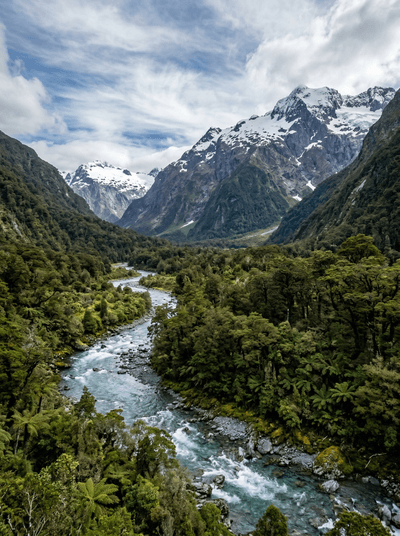
Hollyford Valley
New Zealand
A valley so remote that a bush airstrip is the alternative to days on foot.
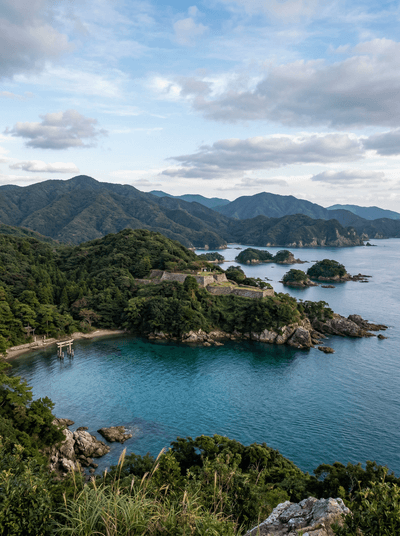
Tsushima
Japan
An island nearer Korea than Japan, where a wildcat found nowhere else stalks the forest.
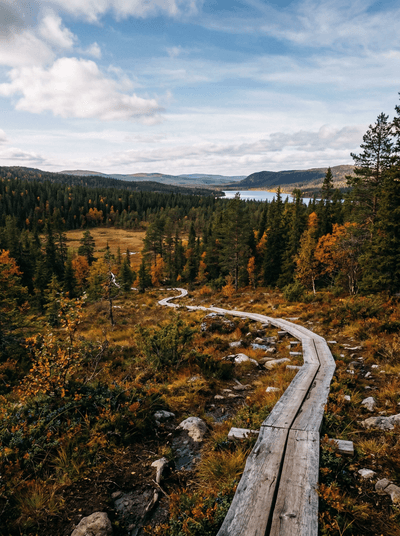
Muddus National Park
Sweden
A bog wilderness where boardwalks cross mires vaster than the eye can close.
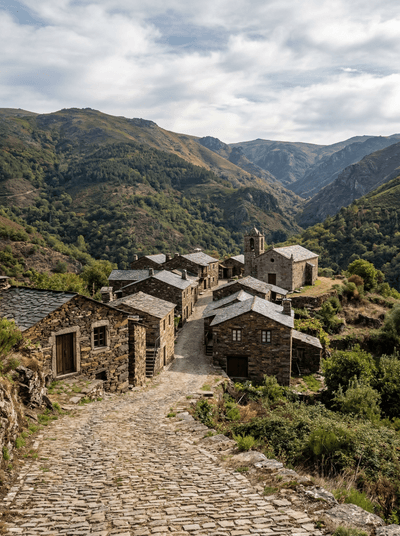
Montesinho
Portugal
Iberian wolves patrol oak forests above stone villages where the dialect changes by valley.
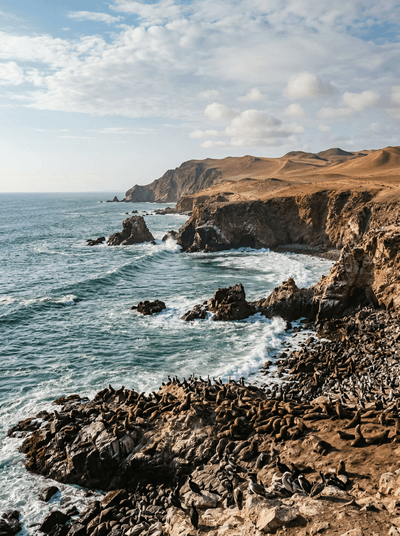
Reserva Nacional San Fernando
Peru
A desert bay where Andean condors descend from the mountains to the Pacific shore.
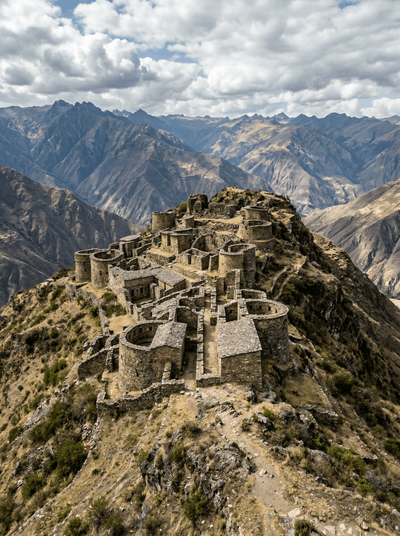
Tantamayo
Peru
Pre-Inca towers like ancient apartment blocks, on ridges far from any tourist road.
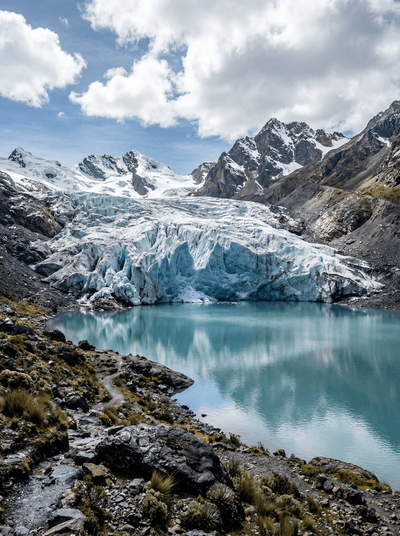
Pastoruri Glacier
Peru
Tropical ice at 5,000 metres, its retreat marked year by year beside the path.
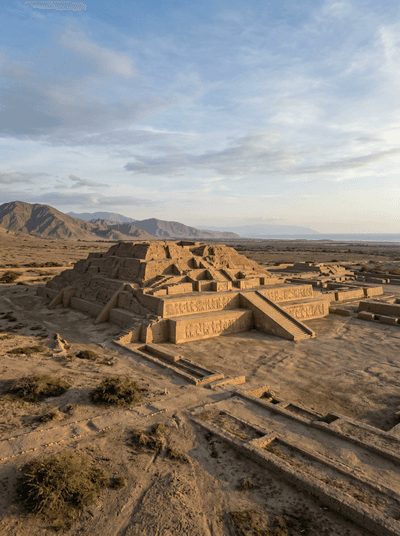
El Brujo
Peru
The pyramid of the tattooed Lady of Cao — a Moche ruler found intact.