Japan
Amami Oshima
Subtropical mangroves and brown-sugar shōchū on an island the guidebooks forgot.
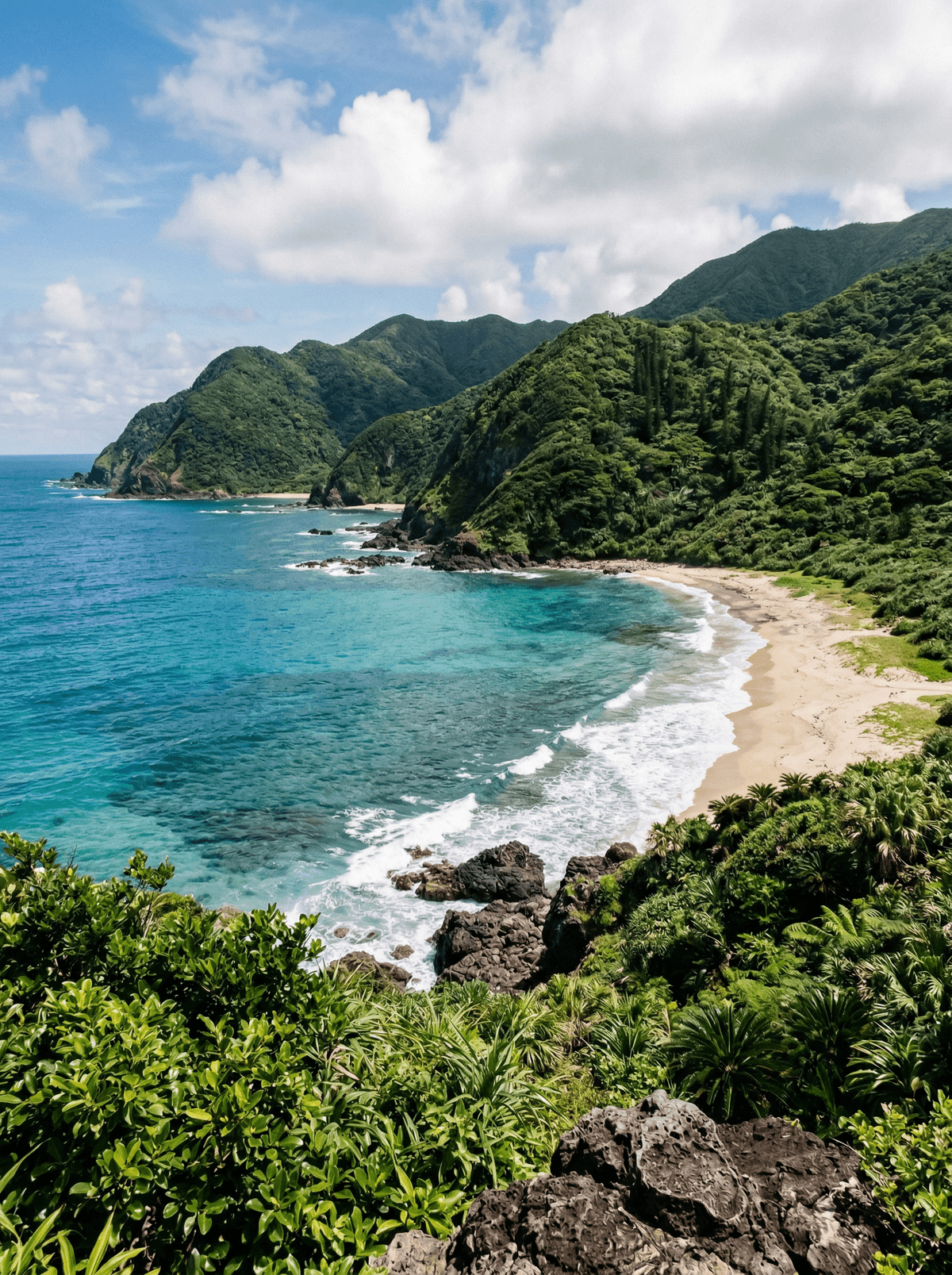
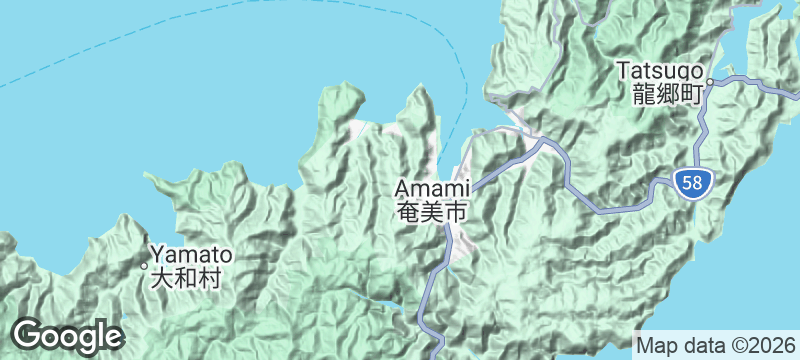
The forest is subtropical and the reef is tropical, and between them lies an island that mainland Japan has only recently started to notice. Amami Ōshima sits in the sea lane between Kyūshū and Okinawa, belonging fully to neither — its culture, its wildlife and its jungle exist in a category of their own. The mangrove rivers here are dense enough to kayak through in twilight at noon.
Amami Ōshima was inscribed on UNESCO's natural World Heritage list in 2021 for wildlife that evolved in long isolation. The Amami rabbit — a dark, short-eared survivor of an ancient Asian lineage, called a living fossil — lives only here and on neighbouring Tokunoshima, and the mongoose introduced to kill snakes and blamed for its decline was finally eradicated in 2024. The island's Ōshima tsumugi silk is dyed by burying the cloth in iron-rich mud, which turns it a deep lustrous black; a single bolt can take up to a year. Mangrove forest lines the river estuaries, and kayaks slip through root tunnels where the canopy shuts out the sky.
Solo
Scootering between beaches, kayaking mangrove rivers, and a guided night drive for the Amami rabbit — the island rewards the self-sufficient.
Couple
The beaches are long, the jungle is close, and the pace is tropical. Amami offers Okinawa's warmth without the resort infrastructure.
Friends
Snorkelling, jungle walks, and evening shōchū at beachside shacks make Amami a low-key group adventure.
- Mangrove forest and coral reef ring an island whose wildlife earned it World Heritage status in 2021.
- The Amami rabbit, a living fossil found only on this island and one neighbour, forages in the forest at night.
- Ōshima tsumugi silk is dyed black in iron-rich mud, and a single bolt can take up to a year.
- Beaches ring the coast, reached by scooter on roads that tunnel through banyan roots.
Keihan — shredded chicken, egg and pickled papaya over rice, drowned at the table in hot chicken broth.
Kokutō shōchū distilled from the island's brown sugar, smooth and faintly sweet, poured at beach shacks.
Santa Maria
Portugal
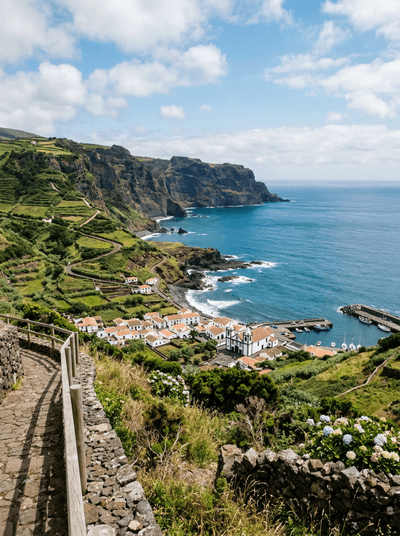
The Azores' oldest island hides a red clay desert and golden beaches the others lack.
Isla Bastimentos
Panama
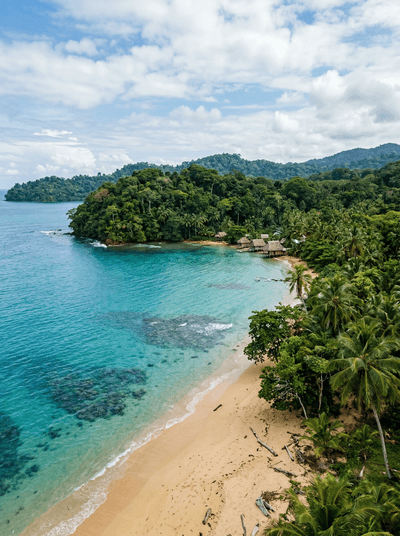
One island, no roads, and a poison frog that changes colour from coast to coast.
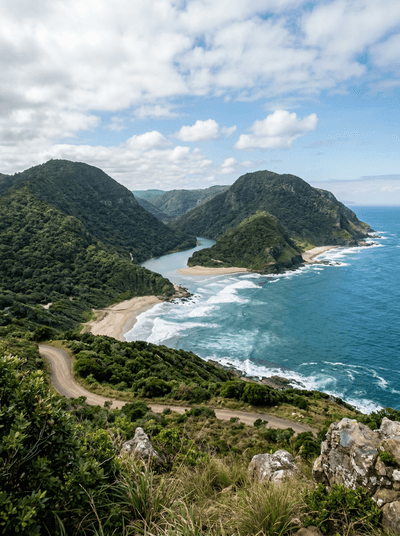
Port St Johns
South Africa
Twin cliffs guard a river mouth where forest, settlement and Indian Ocean meet.
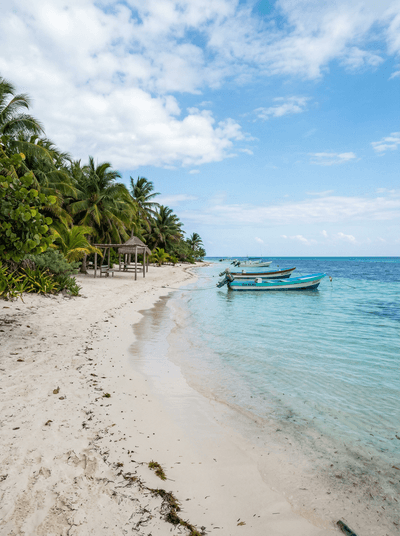
Isla Holbox
Mexico
On summer nights the island's shallows light up electric blue at every footstep.
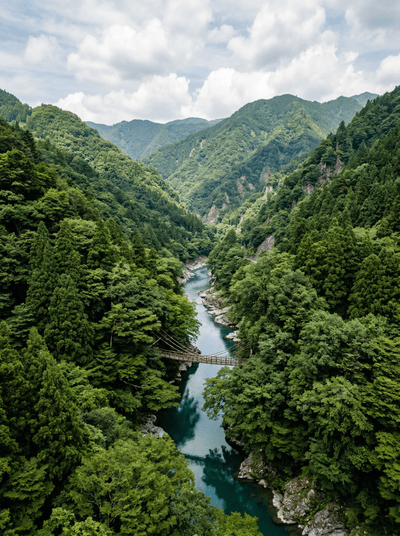
Iya Valley
Japan
Vine bridges swaying over gorges so deep the river sounds arrive late.
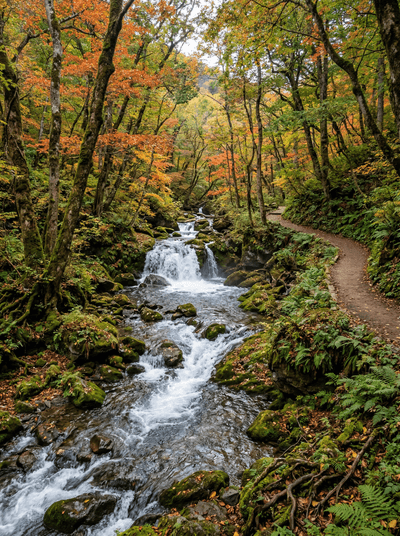
Oirase Gorge
Japan
A dozen waterfalls threading through autumn beech in a gorge carpeted with moss and ferns.
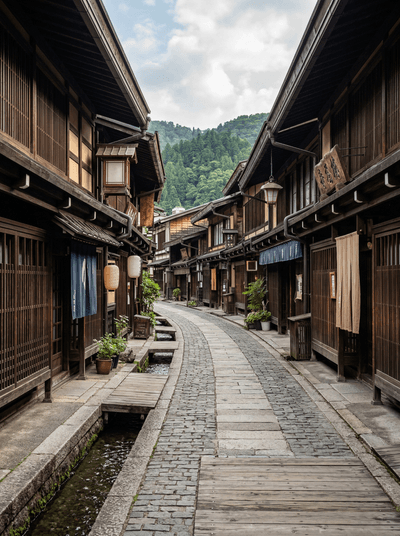
Takayama
Japan
Morning-market mist over a merchant town where cedar balls hang above every sake brewery.
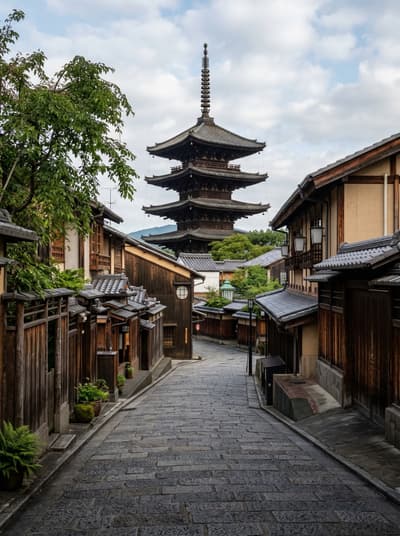
Kyoto
Japan
Lantern-lit alleys where geiko vanish around corners and incense trails from every doorway.