Japan
Kyoto
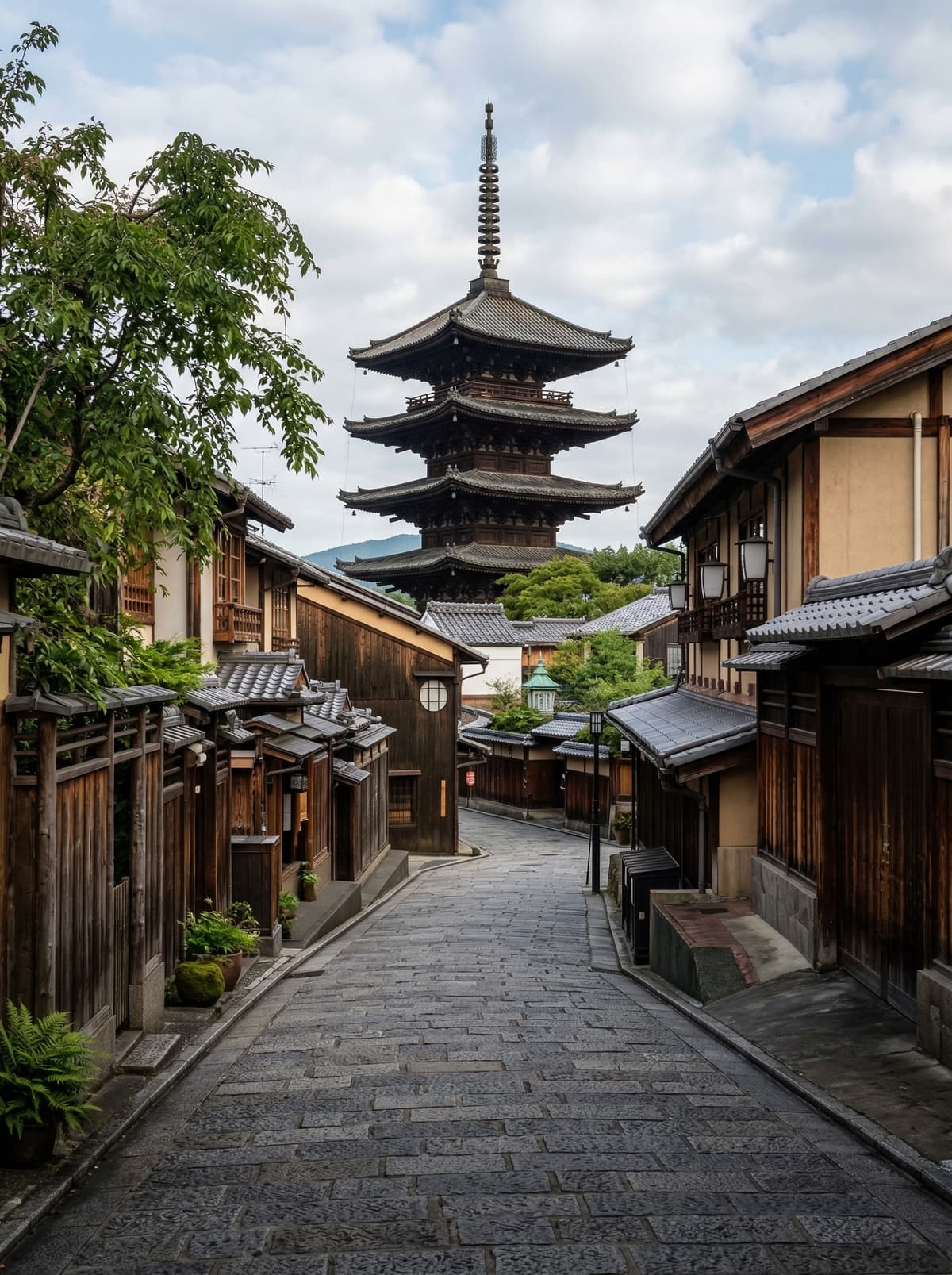
Lantern-lit alleys where geiko vanish around corners and incense trails from every doorway.
The light in Kyoto arrives sideways. It slips through bamboo screens, bounces off raked gravel, and catches the gold leaf on temple walls at angles that seem deliberate. Japan's former imperial capital has spent twelve centuries perfecting the art of atmosphere, and it shows in every lantern-lit alley, every incense-scented threshold, every silence between the temple bells.
Kyoto was the emperor's seat from 794 until the court left for Tokyo in the 1860s, accumulating roughly 2,000 temples and shrines, seventeen UNESCO World Heritage monuments, and crafts that still carry the city's name: Nishijin silk weaving, Kiyomizu pottery, Kyō-yūzen dyeing. Its grid, laid out on the model of Tang-dynasty Chang'an, makes it as walkable as any city in Asia. Gion's teahouses still receive guests by introduction, and Nishiki Market has been the city's kitchen for some four hundred years.
Solo
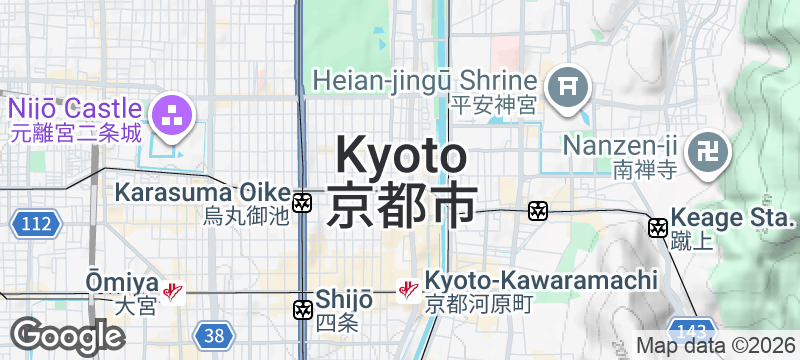
Early temple walks, a counter seat for a solo kaiseki dinner, and the freedom to lose yourself in Higashiyama's backstreets reward the unaccompanied traveller.
Couple
A machiya townhouse stay, a private tea ceremony, and Arashiyama's bamboo grove at first light create a setting that needs no embellishment.
Friends
Sake brewery visits in Fushimi, a street-food crawl through Nishiki Market, and late izakaya nights in Pontochō give groups variety and spontaneity.
- Countless temples and shrines crowd the city — enough for a lifetime of morning walks.
- Gion's ochaya teahouses still admit guests by introduction only, a custom unchanged for centuries.
- Nishiki Market runs five blocks of pickled vegetables, fresh tofu skin, and grilled mochi on sticks.
- Century-old machiya townhouses converted into small ryokan line the backstreets of Higashiyama.
Kaiseki at a riverside machiya — course after tiny course, each one tracking the season.
Nishiki Market's pickled vegetables, fresh yuba tofu skin, and grilled mochi eaten walking.
Casablanca
Morocco
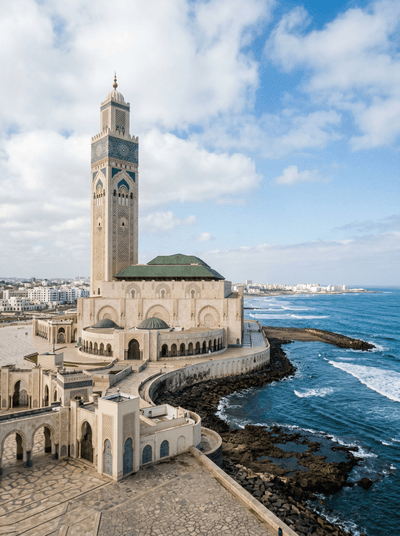
The Atlantic runs beneath half a mosque whose roof opens in five minutes.
Salvador
Brazil
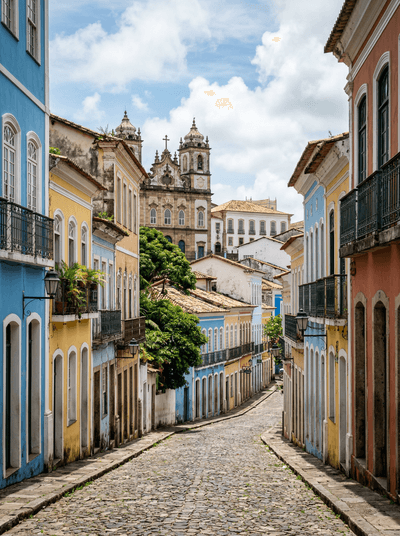
Drum rhythms ricocheting off colonial walls where song, dance and combat happen at once.
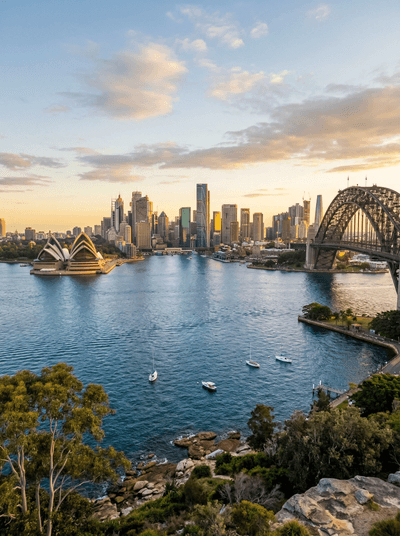
Sydney
Australia
Ferries carve blue water between surf beaches and opera sails as cockatoos screech overhead.
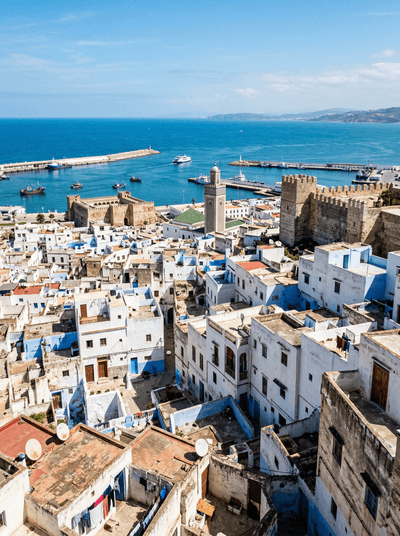
Tangier
Morocco
Mint tea cools on cliff terraces as ships carry the world through Tangier's strait.
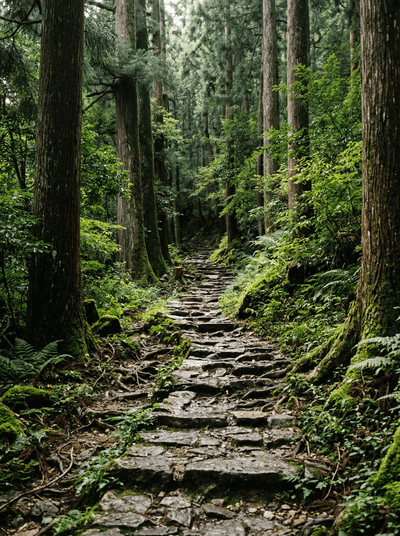
Kumano Kodo
Japan
Thousand-year pilgrim trails through dripping cedar where stone guardians watch each step.
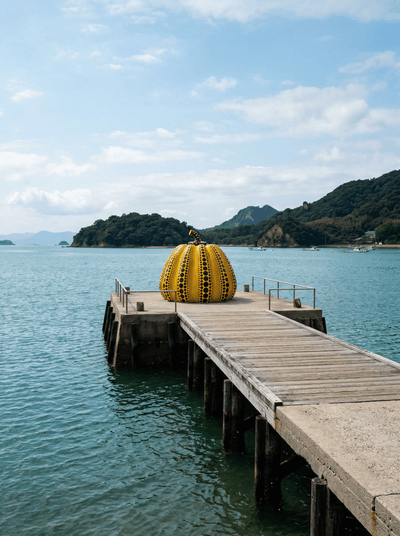
Naoshima
Japan
A fishing island where pumpkins glow yellow and museums burrow underground.
Sado Island
Japan
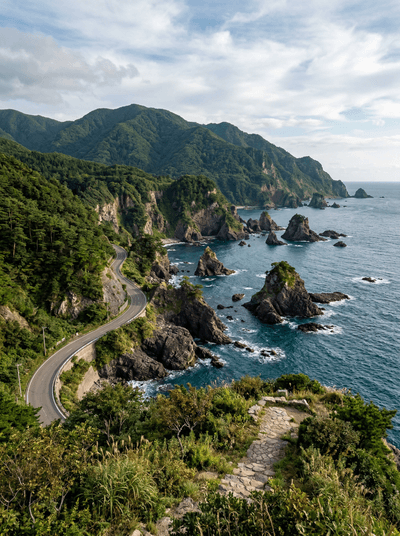
An exile island where gold miners, taiko drummers and crested ibis coexist in the fog.
Noto Peninsula
Japan
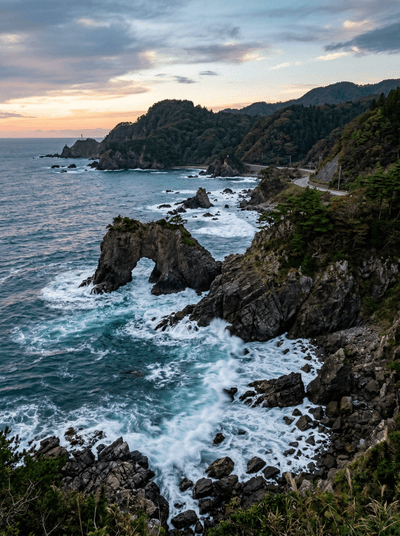
Rice terraces falling into the sea and lacquer villages on a coast an earthquake reshaped.