Turkey
Amasya
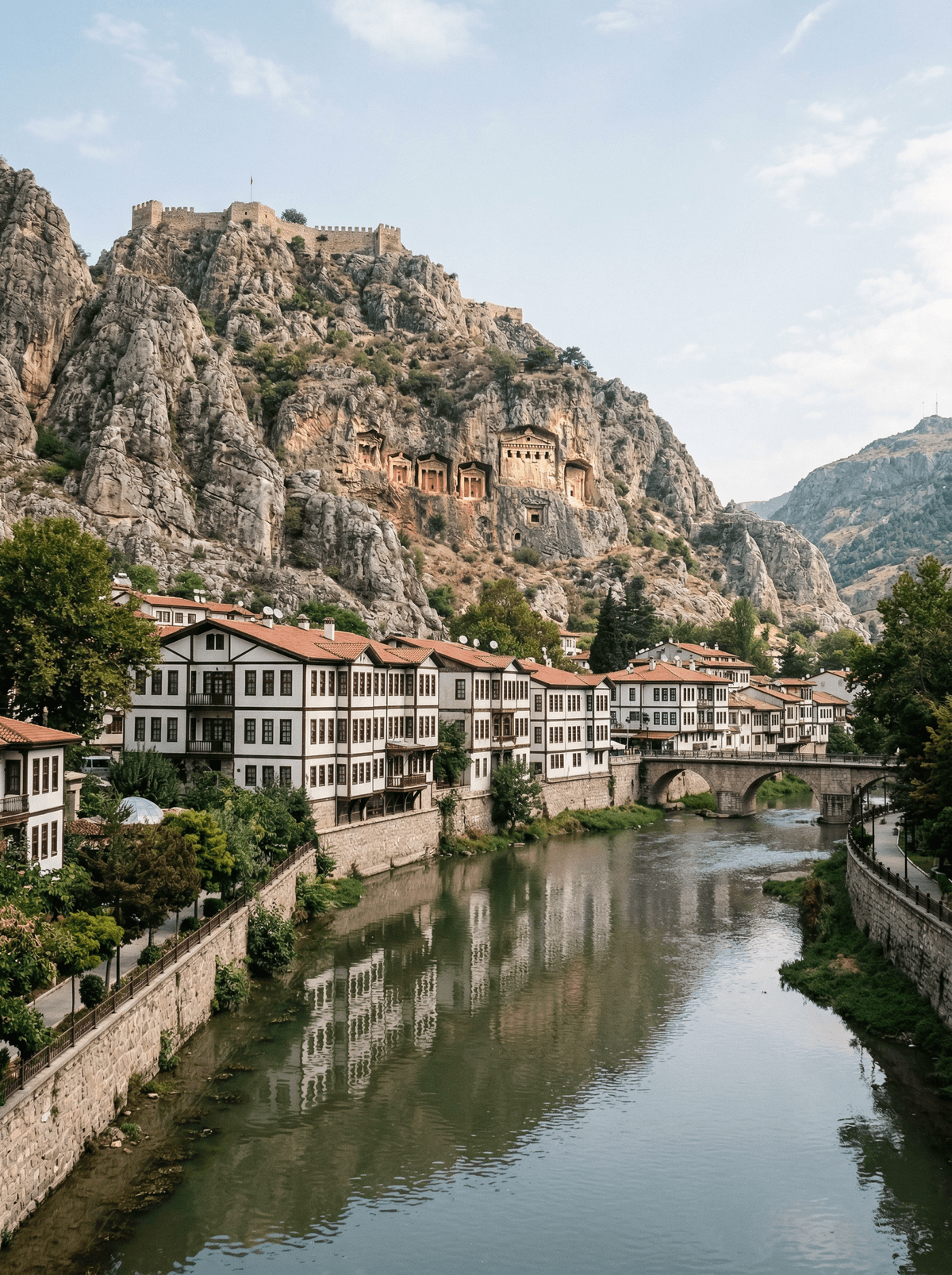
Ottoman mansions reflected in a narrow river gorge, Pontic rock tombs carved into the cliff above.
The Yeşilırmak slides through a narrow gorge, and on both banks Ottoman timber mansions lean toward their own reflections, white walls and dark beams reaching for each other across the water. Above them, carved into the sheer cliff, five Pontic royal tombs stare down like dark, unblinking eyes. At night the tombs are floodlit, and the whole scene doubles in the river.
Amasya is a city built in a geological vice, squeezed along the Yeşilırmak between cliff walls in northern Anatolia. The royal tombs cut into the rock above date to the 4th to 1st centuries BC, the necropolis of the Kingdom of Pontus, while below them the restored yalıboyu mansions line the riverbank in an unbroken row, several now boutique hotels. Generations of Ottoman crown princes were sent here to govern before taking the throne, earning Amasya the title City of Princes. The local apple is so prized it appears on the city's coat of arms.
Solo
Amasya reveals itself to walkers. Cross the river bridges at different hours, watch the cliff tombs shift in the light, and stay in a riverside mansion with the Pontic kings visible from your window.
Couple
The mansions reflected in the river are among the most photographed scenes in inland Turkey, and they are even better from inside at dusk, with the cliff tombs illuminated above. Compact, quiet, built for lingering.
- Five Pontic royal tombs are cut into the cliff directly above the river, dating to the 4th to 1st centuries BC.
- Ottoman timber mansions line both banks of the Yeşilırmak, their reflections making a mirrored double city.
- Generations of Ottoman crown princes governed Amasya before taking the throne, the city of princes.
- Several of the old mansions are now boutique hotels looking directly onto the floodlit cliff tombs.
Bakla dolması, broad beans and cracked wheat wrapped in leaves, made nowhere else.
Amasya misket apples, red on one cheek and yellow-green on the other, thin-skinned and scented.
Seyðisfjörður
Iceland
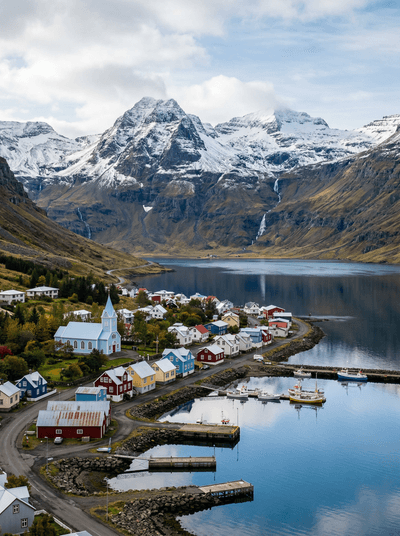
A rainbow-paved path leading to a pale blue church beneath snow-streaked fjord walls.
Goiás Velho
Brazil
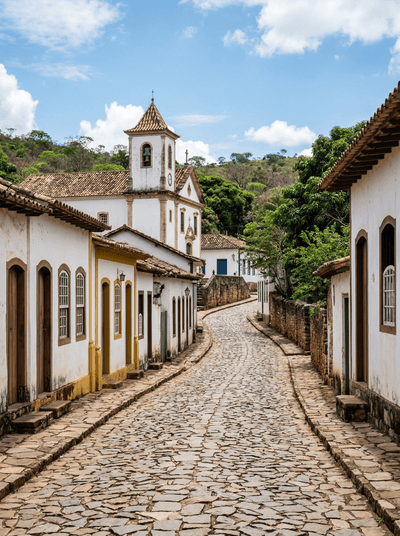
Hooded men with torches run the streets at midnight, hunting Christ through an eighteenth-century gold town.
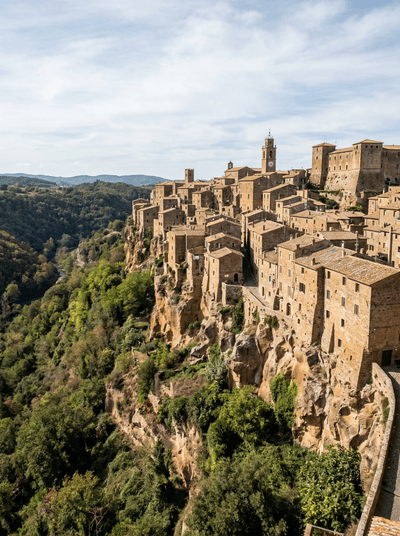
Sorano
Italy
Etruscan tombs honeycomb the tufa cliffs beneath a town carved from living rock.
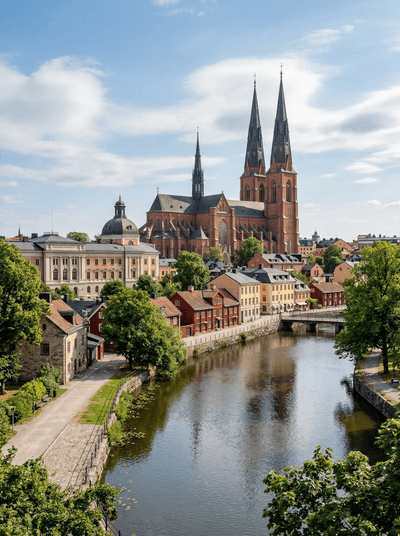
Uppsala
Sweden
A cathedral city where Viking burial mounds and Linnaeus's garden share one skyline.
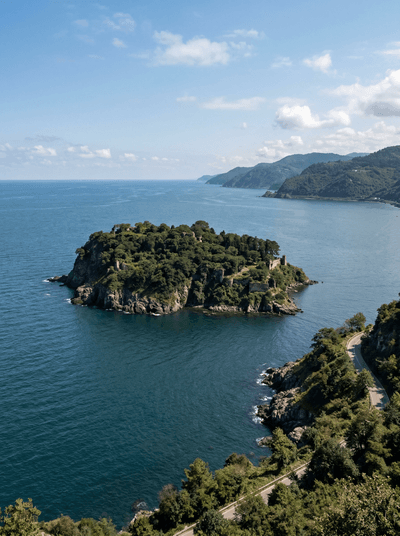
Giresun Island
Turkey
The eastern Black Sea's only island, its Hellenistic temple foundations sleeping beneath hazelnut trees.
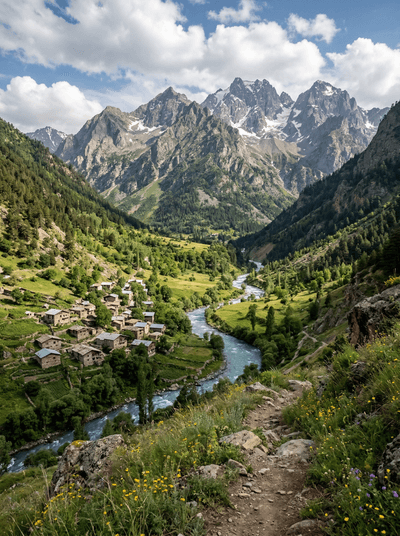
Barhal Valley
Turkey
10th-century Georgian churches stand forgotten in steep valleys where the road ends and peaks begin.
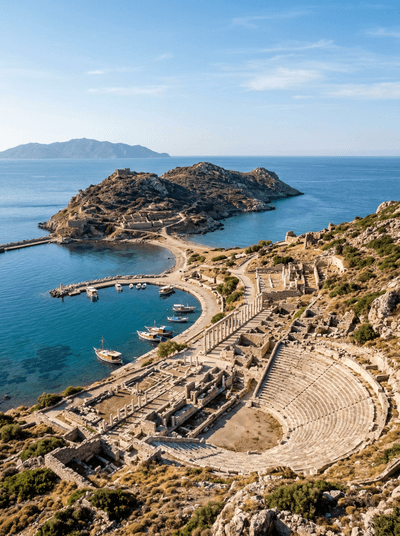
Knidos
Turkey
Two harbours face two different seas at a windswept cape where the Aegean meets the Mediterranean.
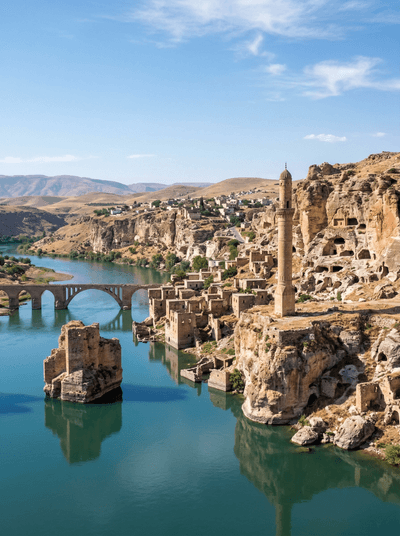
Hasankeyf
Turkey
A 12,000-year-old Tigris settlement now partly drowned by a dam, cave dwellings and minarets half-submerged.