
Chile
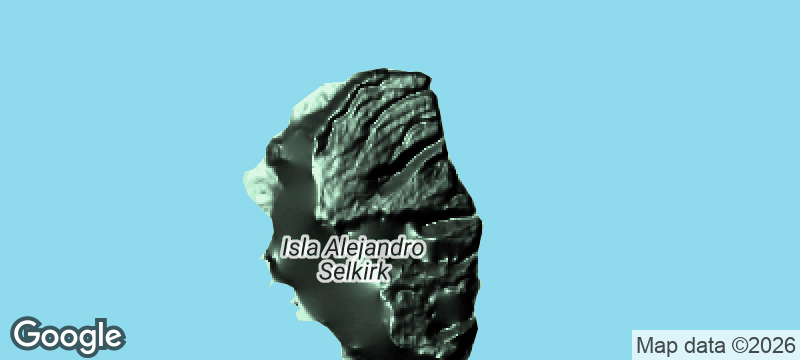
Archipiélago Juan Fernández (Alejandro Selkirk Island)
So remote only one lobsterman family lives here seasonally, its volcanic peak lost in cloud forest.
Cloud forest clings to a volcanic peak that rises sheer from the Pacific, 850 kilometres from the Chilean coast. Alejandro Selkirk Island has no airstrip, no harbour, and no permanent settlement — only a handful of lobstermen who camp here during the fishing season, their huts dwarfed by a landscape so vertical it barely offers flat ground to sleep on. The only sounds are endemic hummingbirds and waves breaking against rocks that have never been mapped in detail.
Alejandro Selkirk Island is the remotest inhabited point in the Juan Fernández Archipelago, a UNESCO Biosphere Reserve where 62% of plant species are found nowhere else on Earth. The volcanic peak reaches 1,650 metres and generates its own cloud forest in the upper zones, catching moisture from Pacific fronts even when the coast below stays dry. Native birds have never been hunted and show no fear of humans — they will land on your shoulder if you stand still. Access requires a helicopter or private boat from Robinson Crusoe Island, 180 kilometres to the east. There are no scheduled services of any kind. The island's ecological isolation rivals that of the Galápagos, yet it receives fewer than a dozen visitors in most years.
Solo
This is one of the most logistically demanding destinations in the Pacific. Solo travellers with expedition-level self-sufficiency and a tolerance for uncertainty will find an island that rewards the effort with total solitude and endemic species seen by almost no one alive.
- Alejandro Selkirk Island is accessible only by helicopter or private boat — there are no scheduled services of any kind.
- The volcanic peak reaches 1,650 metres and generates its own cloud forest in the upper zones, receiving rain even when the coast below is dry.
- Native birds here have never been hunted — they show no fear of humans and will land on your shoulder if you stand still long enough.
- The Juan Fernández archipelago is one of only 25 places globally designated a UNESCO Biosphere Reserve specifically for island endemism — 62% of plant species here are found nowhere else.
Whatever the lobstermen catch — spiny lobster grilled over driftwood on a volcanic beach.
Self-sufficiency is the only option — bring provisions from the mainland for this true wilderness island.
Fresh water from volcanic springs, possibly the purest you'll ever taste.
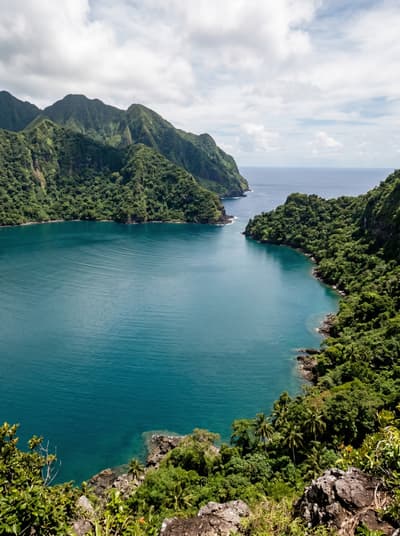
Ureparapara
Vanuatu
Sail into the flooded crater of a horseshoe-shaped volcanic island where fewer than 500 people remain.
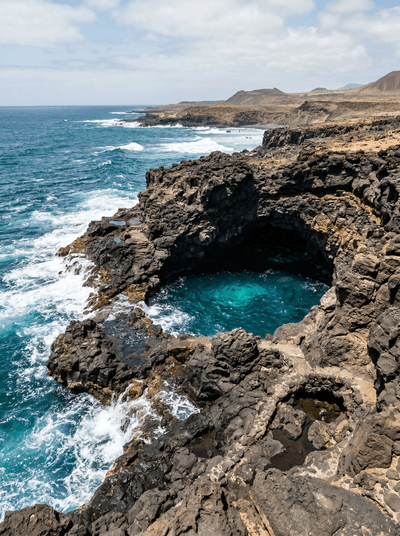
Buracona
Cape Verde
At midday, sunlight plunges through volcanic rock and ignites an underwater cave into electric blue.
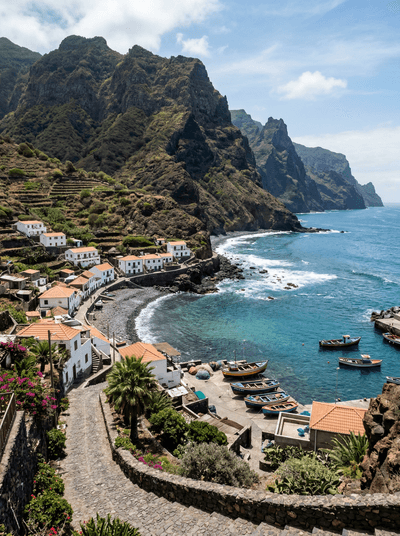
Fajã d'Água
Cape Verde
Hairpin bends drop through bougainvillea clouds to a hidden bay beneath the island of flowers.
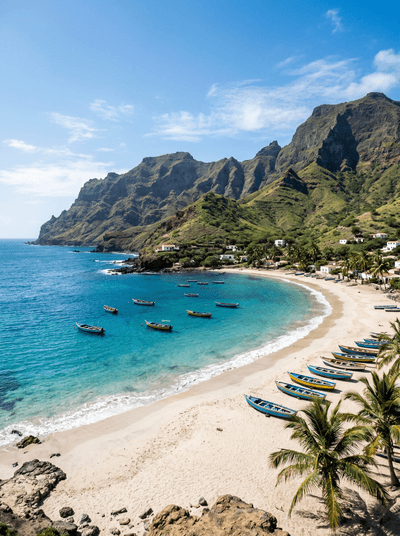
Tarrafal
Cape Verde
A concentration camp turned resistance museum sits behind the cove where political prisoners once swam.
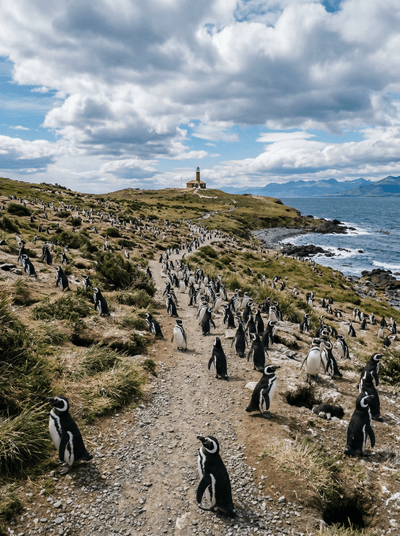
Isla Magdalena
Chile
Magellanic penguins in their tens of thousands, nesting so close you walk through their colony.
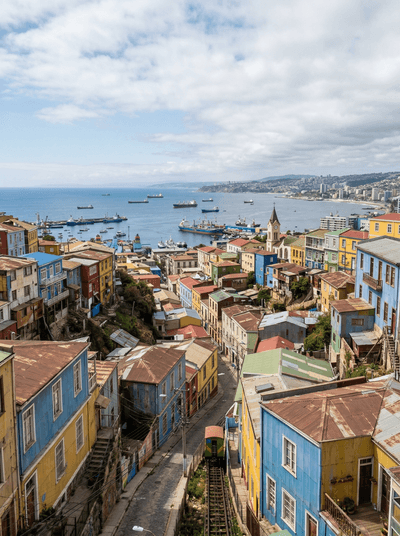
Valparaíso
Chile
Forty-two hills of riotous street art where funiculars creak between graffiti-walled stairways.
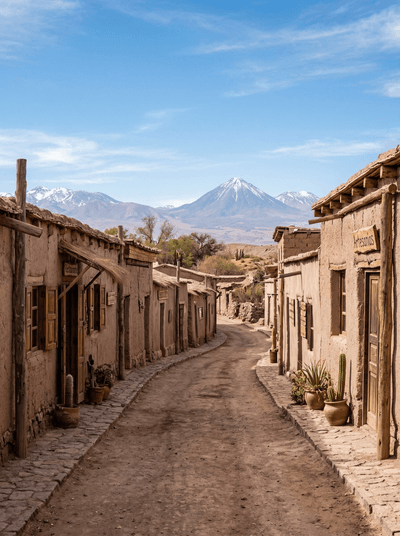
San Pedro de Atacama
Chile
Adobe village where you stargaze through the driest, clearest sky on Earth.
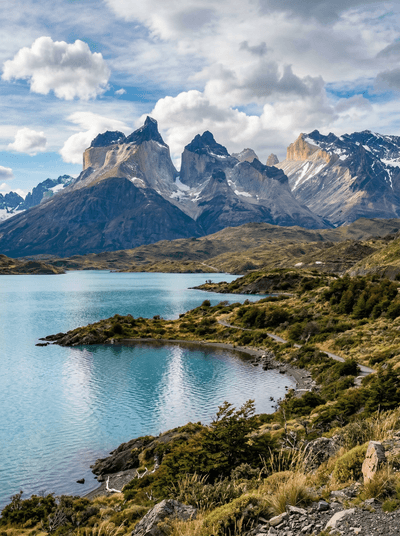
Torres del Paine
Chile
Granite towers erupt from Patagonian steppe, condors riding thermals above ice-blue lakes.