Cape Verde
Tarrafal
A palm-shaded swimming cove shares its town with the prison called the Camp of Slow Death.
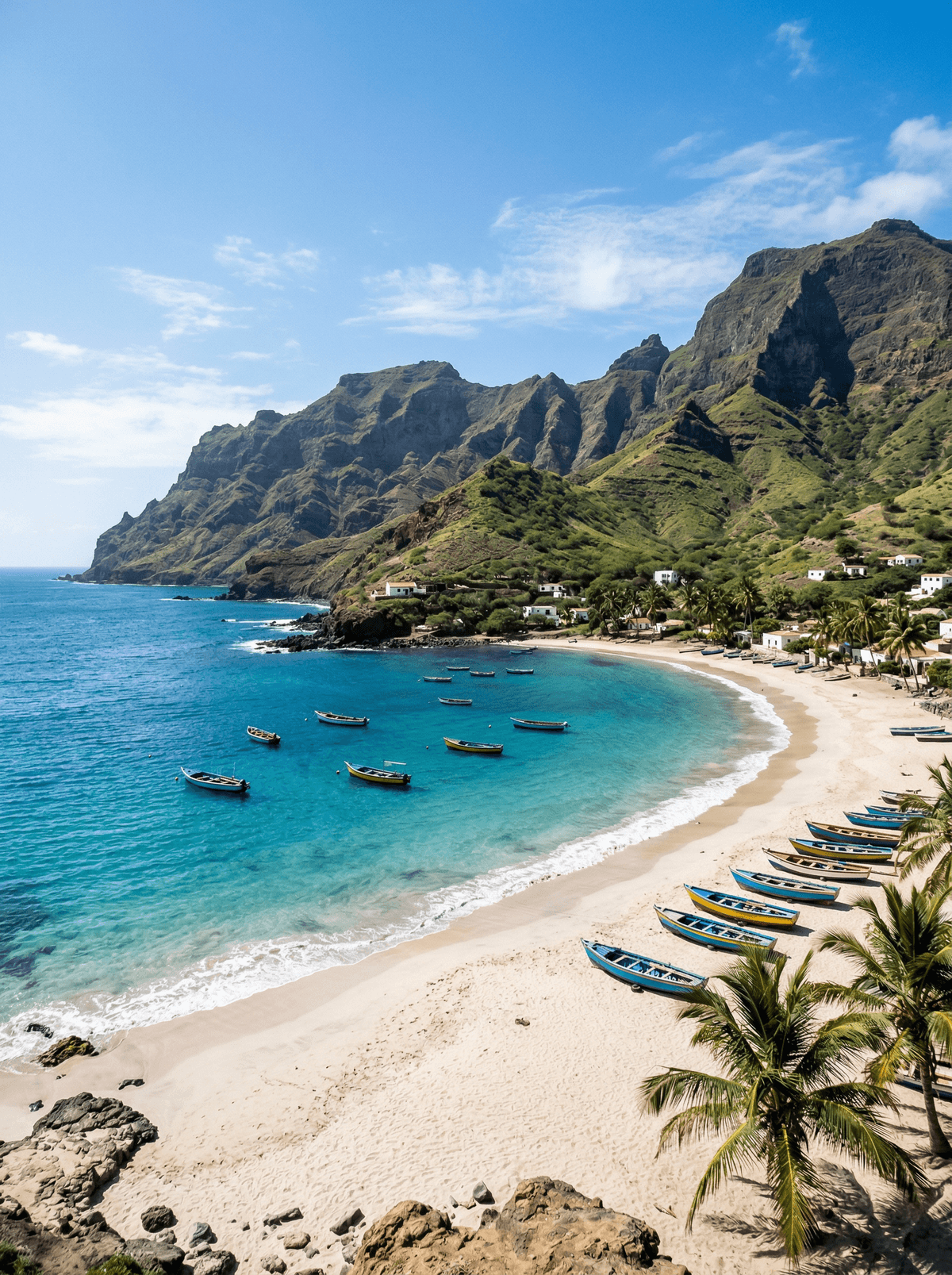
Palms lean over a curve of pale sand where fishing boats ride at anchor and children swim in the shallows. A few kilometres inland at Chão Bom, high walls enclose the camp Portugal's dictatorship called Tarrafal, and its prisoners called slow death.
Built in 1936 under the Estado Novo, the camp ran in two phases until 1974: first for Portuguese anti-fascists, later for anti-colonial activists from Angola, Guinea-Bissau and Cape Verde, more than five hundred prisoners in all, held to hunger, forced labour and heat. Since 2000 its buildings have housed the Museum of Resistance, now classified national cultural heritage, and it asks for unhurried attention. The town it borders is a living place rather than a memorial: a working fishing bay on Santiago's green north coast, boats landing tuna and octopus, and a beach whose ease is its own quiet answer to the walls up the road.
Solo
Give Chão Bom a slow, quiet hour; the town's bay and kitchens afterwards are part of processing it.
Couple
Give the museum the morning and the bay the afternoon; the two are linked by history, not by a shared wall.
Family
Older children can meet this history honestly at the museum; the cove then gives everyone a plain, good beach day.
Friends
See the camp together and talk it through over a fish lunch; the conversation is the point, not the photographs.
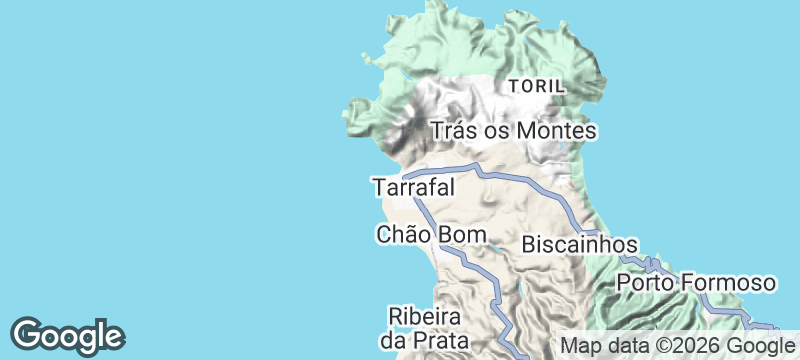
- Tarrafal's sheltered bay is a working fishing beach on Santiago's north coast.
- The former concentration camp at Chão Bom, built in 1936, held Portuguese anti-fascists and African anti-colonial prisoners.
- The Museum of Resistance has occupied the camp since 2000, and the site is national cultural heritage.
- Prisoners named it the camp of slow death; the museum records why, plainly.
On its Ponta de Atum rooftop, Casa Strela stews octopus with garlic and serves tuna you finish yourself on a hot stone.
The bay kitchens follow the catch rather than a fixed menu; ask what the boats landed before you order.
Yap
Micronesia
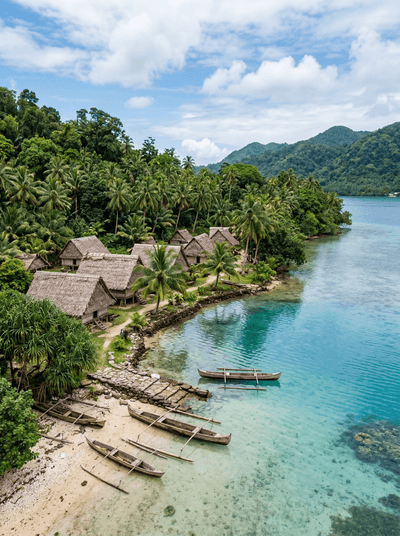
Stone money too heavy to move, so ownership transfers by word alone on this jungle island.
Kennedy Island
Solomon Islands
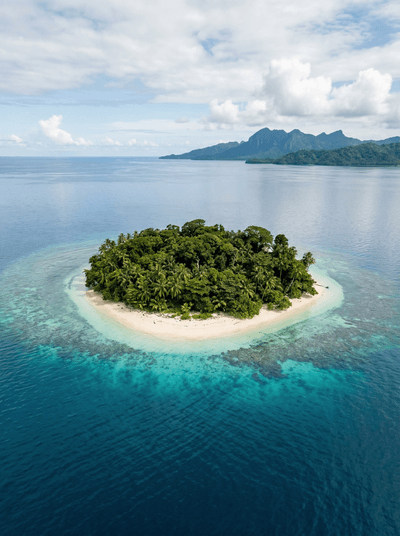
A coral islet where a future president waited to be found, and two scouts found him.
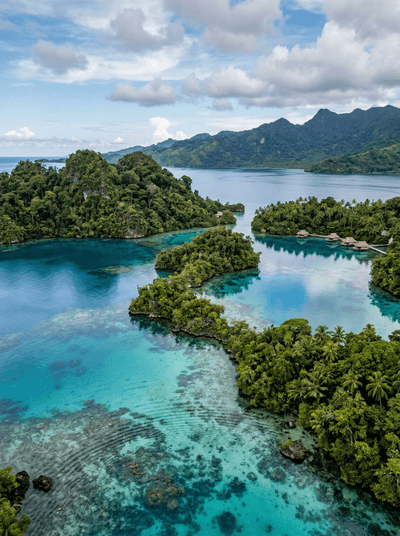
Marovo Lagoon
Solomon Islands
Two barrier reefs enclose a lagoon holding its own islands, villages and generations of woodcarvers.
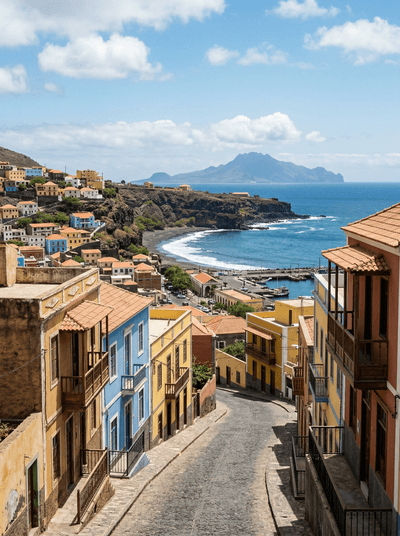
São Filipe
Cape Verde
A hundred pastel sobrados crowd the clifftop above a beach of jet-black volcanic sand.
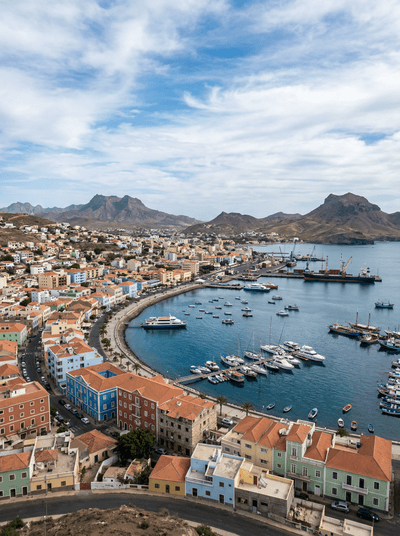
Mindelo
Cape Verde
Morna drifts from harbour bars where the barefoot diva Cesária Évora first sang for sailors.
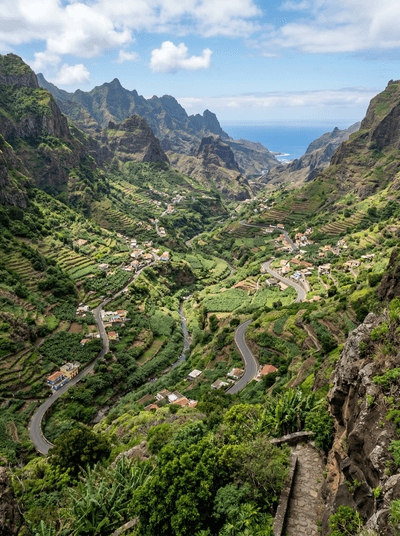
Vale do Paúl
Cape Verde
Sugarcane and coffee terraces pour off a crater rim into a valley threaded with running water.
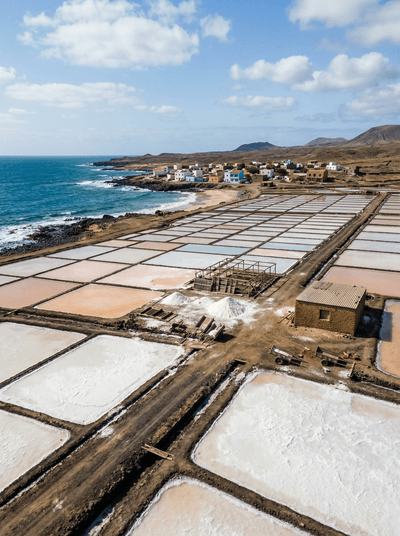
Salinas de Porto Inglês
Cape Verde
Women of the island's salt cooperative still harvest white gold from wetland pans.