Argentina
Barreal
A dried lakebed so flat and white it doubles as a land-sailing course beneath the Andes.
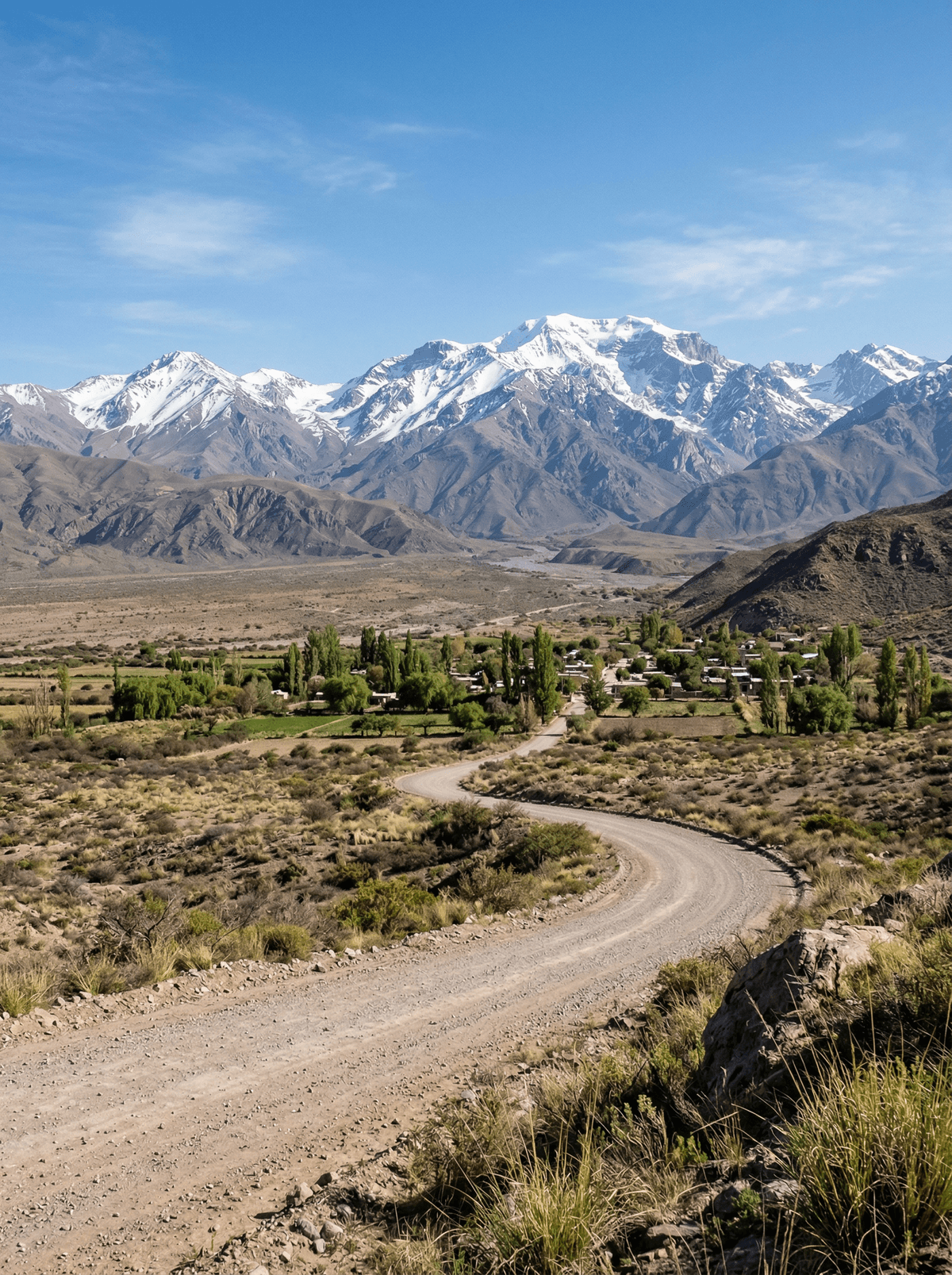
Barreal sits at the base of the Andes at 1,650 metres, beside the Pampa del Leoncito — a flat, hard, bone-dry lakebed stretching kilometres, where carrovelismo carts run past 100 km/h when the afternoon wind comes off the cordillera. The valley is one of the driest places in the Americas, and on clear nights — most nights — the Milky Way reads as a solid object rather than a smear.
The pampa is a tectonic depression of ancient lake sediment in the Calingasta Valley, walled by the main cordillera to the west — Mercedario's 6,700-plus metres rising unobstructed from the flat — and the Precordillera to the east. Above it, the CASLEO complex operates Argentina's largest optical telescope at over 2,500 metres; three hundred clear nights a year, low humidity and near-zero light pollution make this one of the southern hemisphere's premier skies. The village is the logistical base for both wind and sky, and the pampa rewards even a windless day, silent and mineral under the ranges. On the roads toward Calingasta, Huarpe petroglyphs mark a human presence far older than any telescope, and some of Argentina's remotest vineyards pour at small estates.
Solo
A night under the El Leoncito dark sky — complete silence, the Milky Way in structural clarity — is what solo travellers who have watched stars everywhere cite afterwards as the reference point.
Friends
Wind in the afternoon, stars in the evening: carrovelismo when the blow is right, then the observatory sky — physical exhilaration and intellectual quiet, complementary without explanation.
- The dried lakebed lies so flat it once served as an aircraft landing ground.
- Wind-driven carrovelismo carts cross the pampa at motorway speeds when the blow is right.
- CASLEO's dome above the valley holds Argentina's largest optical telescope.
- Mercedario rises past 6,700 metres straight off the plain's western edge.
Wine from Calingasta bodegas — some of Argentina's remotest vineyards — poured at small estates.
Asado and empanadas sanjuaninas at a village parrilla once the barreal day is done.
Nullarbor Plain
Australia
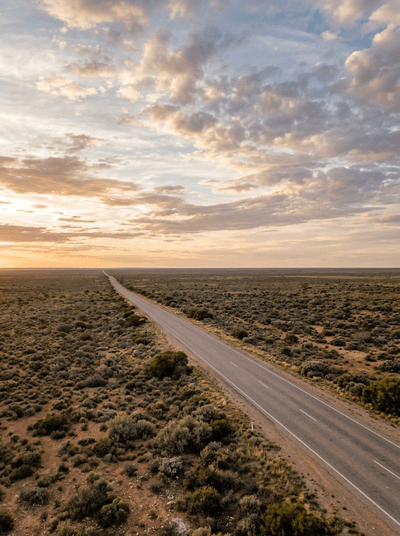
A treeless plain ending in sheer cliffs that drop into the Southern Ocean to the horizon.
Zagora
Morocco
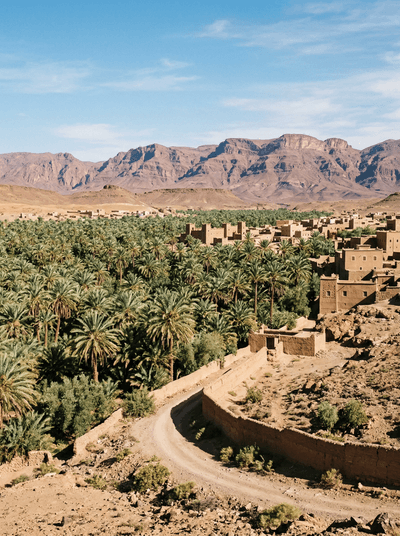
Date palms thin into stone while Zagora's painted Timbuktu sign points south.
Víknaslóðir
Iceland
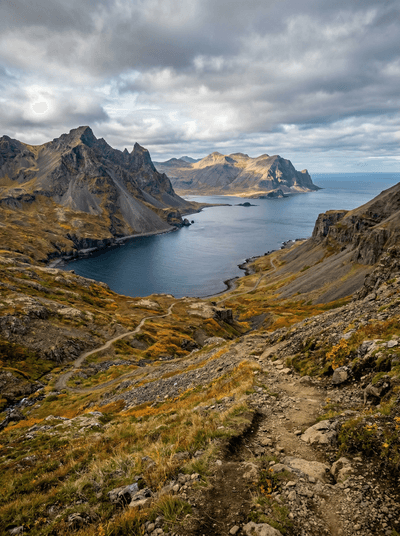
The 'Deserted Inlets', where abandoned farmsteads crumble between rainbow mountains and the sea.
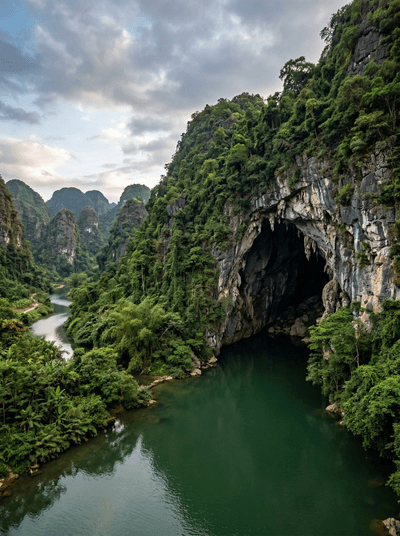
Phong Nha
Vietnam
Hidden jungle portals opening into subterranean river systems and limestone caverns.
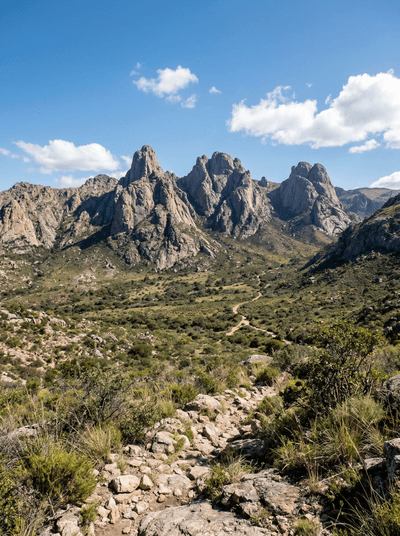
Los Gigantes
Argentina
Red granite monoliths rise from the Córdoba sierras like fingers of a buried colossus.
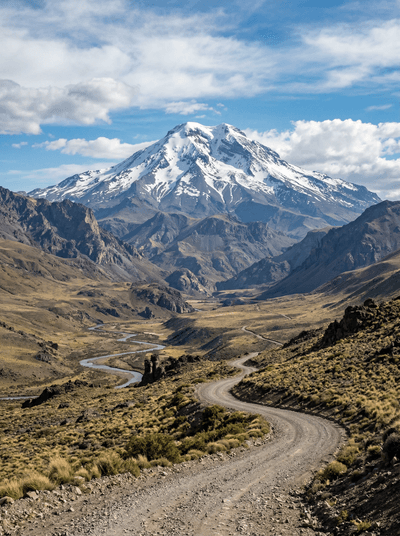
Volcán Domuyo
Argentina
Patagonia's highest peak, ringed by hot springs and steam vents almost nobody visits.
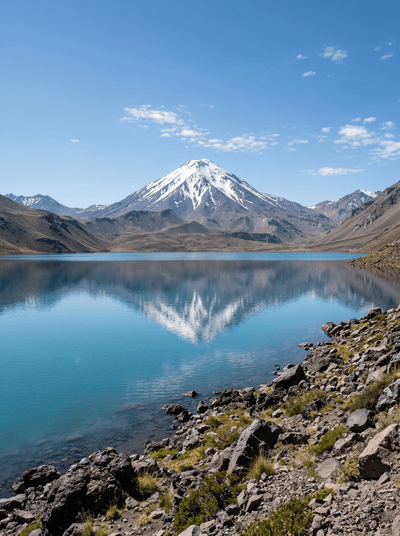
Laguna del Diamante
Argentina
A lagoon at 3,300 metres mirroring a volcanic cone in water too cold to touch.
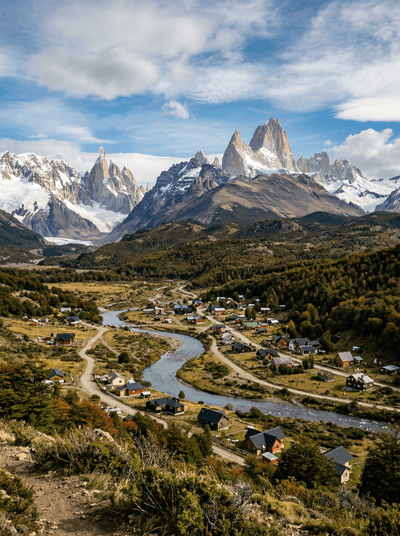
El Chaltén
Argentina
Granite spires pierce Patagonian cloud — condor country of vertical stone and wind.