Argentina
Volcán Domuyo
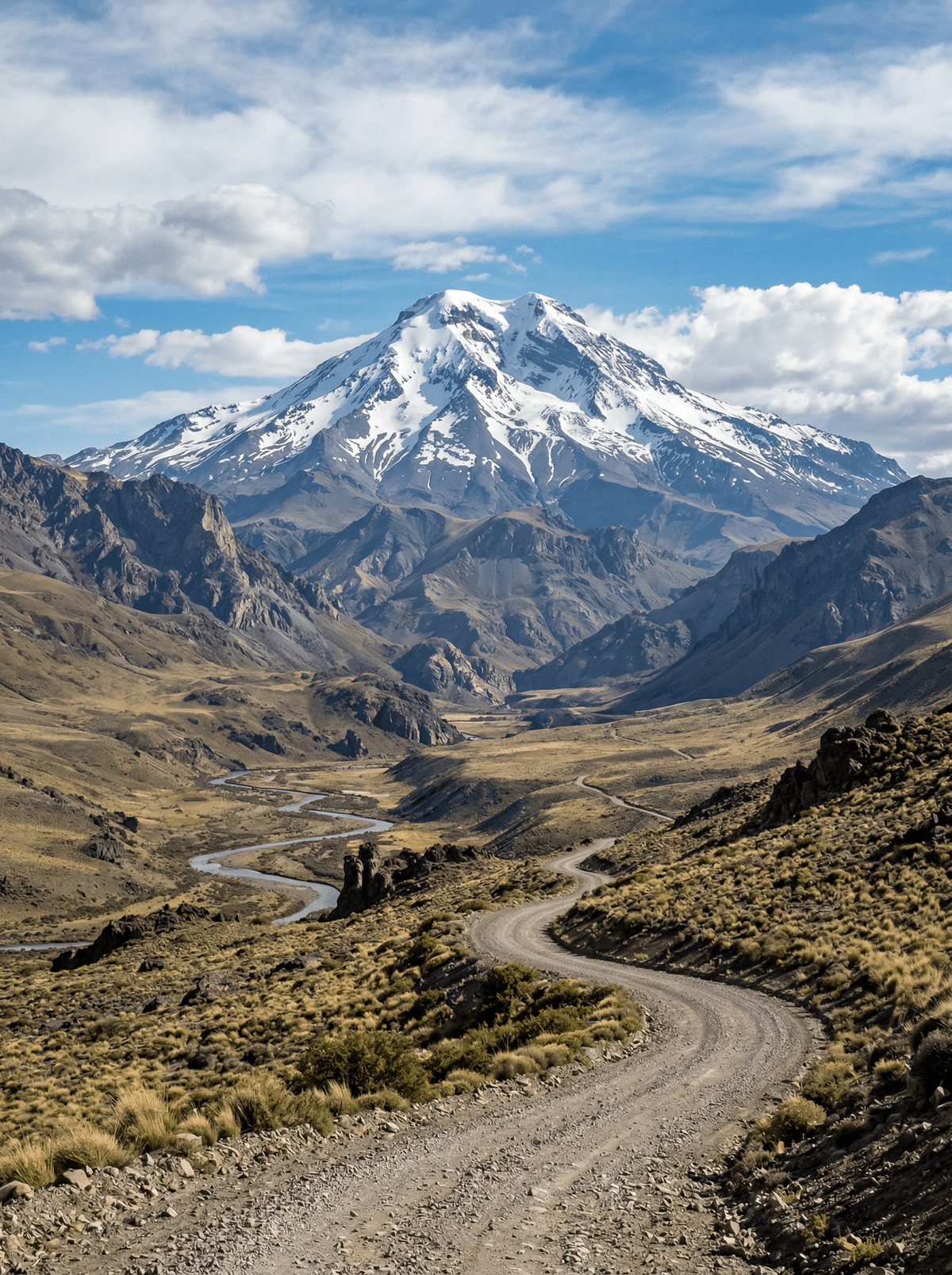
Patagonia's highest peak, ringed by hot springs and steam vents almost nobody visits.
Volcán Domuyo is the roof of Patagonia at 4,709 metres — the point where the southern Andes begin their long run to Tierra del Fuego — and the geothermal ground at its base steams, bubbles and scalds in places, a landscape the Mapuche communities of the valley have held sacred for centuries. The approach from Varvarco runs long deteriorating dirt with river crossings that spring melt can close, into a protected area with a ranger station and little else.
The massif anchors Neuquén's Sistema Domuyo protected area, its Aguas Calientes sector threading hot springs, fumaroles and heat-adapted life found nowhere else, with the Mapuche communities' presence and sacred sites — stone circles, offering platforms in the upper valley — part of the ground's meaning, not a backdrop to it. The visit divides honestly in two: the geothermal and valley circuits, reached with the day's food bought in Varvarco and rewarding a destination stay on their own; and the summit, which is a separate multi-day mountaineering plan in a region with thin route documentation, genuine river crossings and no rescue infrastructure — an objective most Argentine mountaineers have never attempted. Condors work the upper approaches in numbers, on their own air.
Solo
For the mountaineer who accepts that thin documentation demands deeper preparation — and for whom the hot springs and Mapuche cultural context make the approach a full experience independent of the top.
Friends
A group with real Patagonian experience treats Domuyo as a serious multi-day objective — springs camp, acclimatisation ridge, pre-dawn push — with the genuine river crossings and thin infrastructure planned for, never romanticised.
- At 4,709 metres Domuyo tops all Patagonia, and remains unknown outside climbing circles.
- Hot springs and steaming vents thread the Aguas Calientes sector at the mountain's base.
- A dirt road and a basic ranger station are the protected area's entire infrastructure.
- Condors hold the air above the approaches, often many at once, always on their terms.
Kid goat slow-roasted at a rural puesto on the approach, northern Neuquén's signature.
Mountain provisions from Varvarco and mate brewed at a hot-spring camp beneath the peak.
Mount Tambora
Indonesia
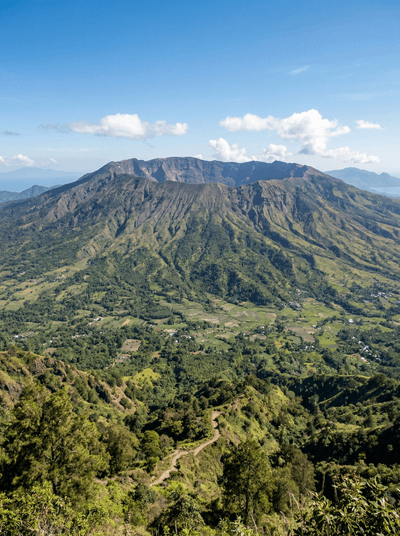
The 1815 eruption brought the Year Without a Summer; the crater is six kilometres wide.
Livingstone Mountains
Tanzania
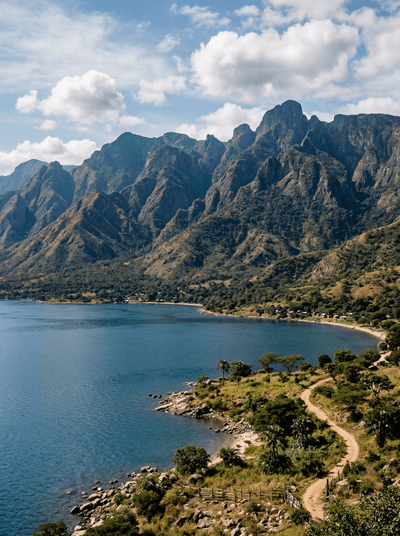
A green wall drops 1,500 metres from cold summits into a warm clear lake.
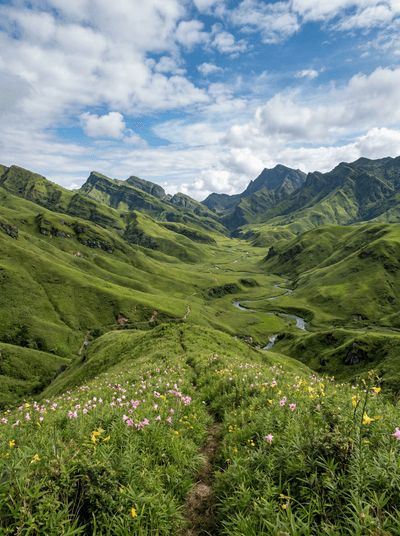
Dzukou Valley
India
Endless rolling mounds of dwarf bamboo hiding ice-cold streams and charred skeletons of ancient trees.
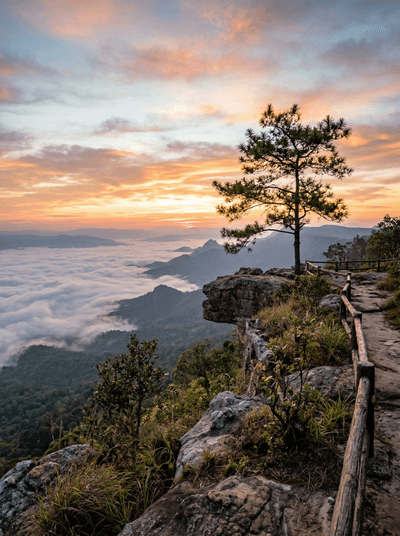
Phu Kradueng
Thailand
A lung-busting ascent to a bell-shaped plateau of pine forests and red maples.
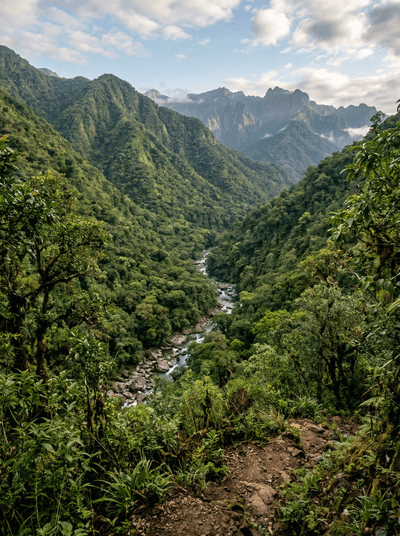
Parque Nacional Calilegua
Argentina
Cloud forest draped in moss where jaguars still prowl a jungle climbing from the Chaco.
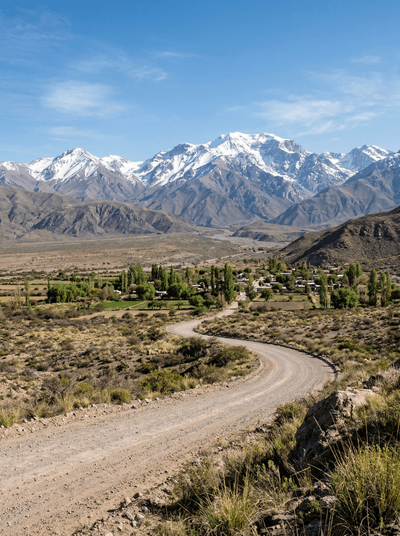
Barreal
Argentina
A dried lakebed so flat and white it doubles as a land-sailing course beneath the Andes.
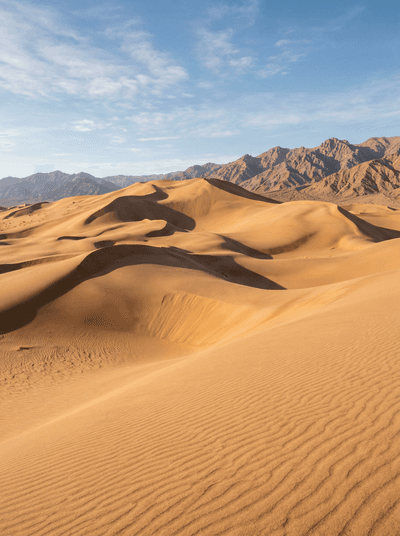
Dunas de Tatón
Argentina
Pale dunes surge against dark Andean foothills where the sand seems to climb the mountains.
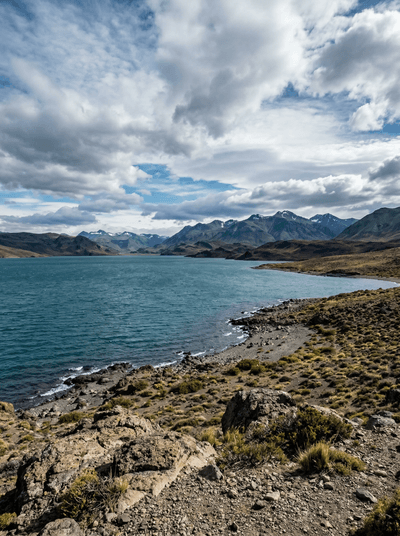
Lago Strobel
Argentina
A plateau lake where rainbow trout grow to sizes nature is not supposed to allow.