
England
Bath
Georgian crescents carved from golden stone above Roman baths still steaming after two millennia.
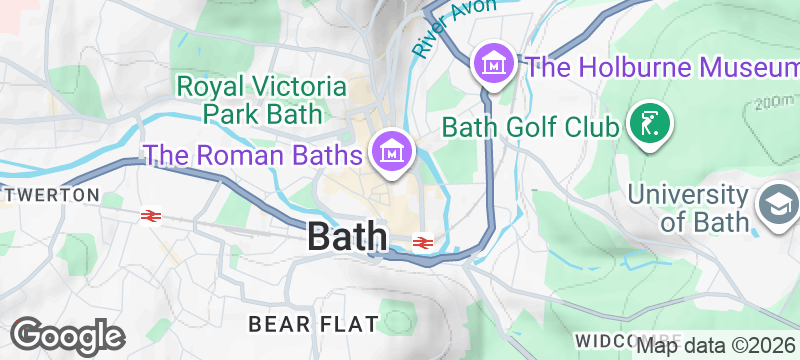
Steam rises from water that fell as rain thousands of years ago, heated deep underground and surfacing in the same springs the Romans made the centrepiece of an empire's leisure. Bath is a city raised on hot water — Georgian ambition layered over Roman engineering, wrapped in honey-coloured stone.
The Roman Baths, excavated below modern street level, remain among the best-preserved bathing complexes of the Roman world: the Great Bath still fills with steaming spring water inside its lead lining, columns rising to a museum that holds curse tablets thrown into the sacred spring. Above the Roman level the eighteenth-century Pump Room serves tea in a salon where Austen's characters took the waters, and the Royal Crescent — John Wood the Younger's arc of thirty terraced houses, completed in 1774 — defines Georgian architecture in a single sweeping line. The whole city carries UNESCO World Heritage standing twice over, and the modern rooftop spa lets you float in the thermal waters with the abbey filling the skyline: ancient springs, modern luxury, one continuous idea about pleasure.
Solo
The city rewards walking and looking — the covered market, Walcot Street's antique shops, and the climb to Alexandra Park for the panoramic crescent view. A solo education in architecture.
Couple
Bath was designed for two: Roman Baths by morning, rooftop thermal pool by afternoon, dinner in a Georgian townhouse between the Circus and the Crescent.
Friends
Culture, food and thermal relaxation layer a weekend that never drags — independent restaurants, cocktail bars in the vaults, and twilight spa sessions.
- Roman baths steam below the Pump Room where Austen's characters took the waters.
- The Royal Crescent's thirty houses curve in one perfect Georgian arc.
- Rooftop bathing in the thermal springs faces the abbey across the skyline.
- Independent shops and weekend food markets fill the lanes off Pulteney Bridge.
A Sally Lunn bun in the city's oldest house, split and spread with cinnamon butter.
A tasting menu in a candlelit Georgian basement, gold stone above and below.
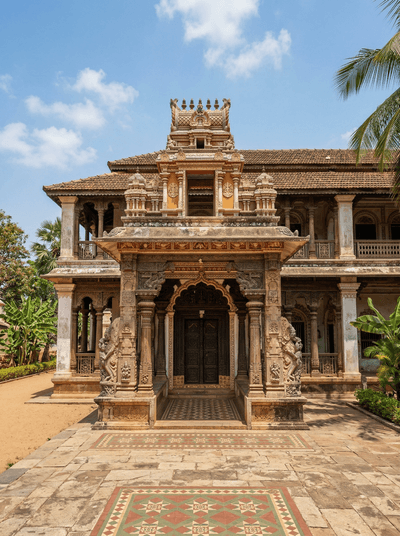
Chettinad
India
Seventy-three villages hiding mansions built with Burmese teak, Italian marble, and immense spice wealth.
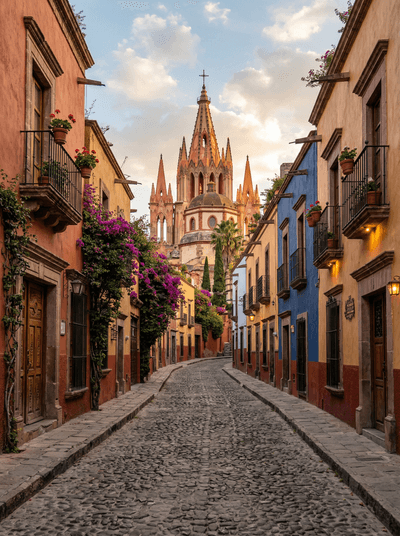
San Miguel de Allende
Mexico
Colonial light turns pink at dusk, every doorway hiding an artist's courtyard.
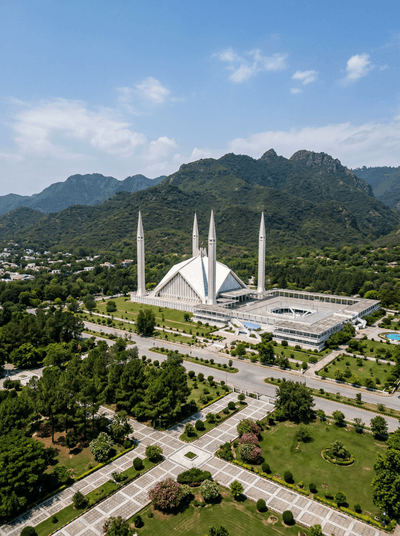
Islamabad
Pakistan
Wild leopards prowl forested hills behind a mosque shaped like a Bedouin tent in white marble.
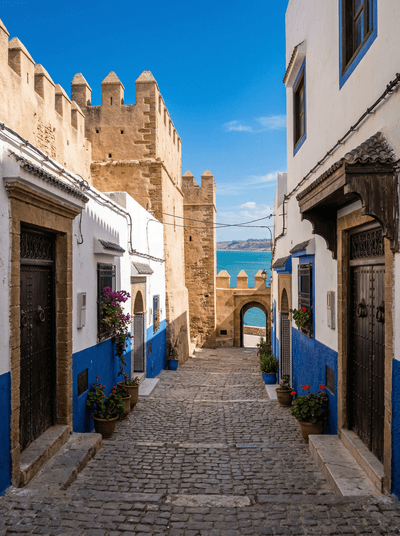
Rabat
Morocco
A forty-four-metre minaret still waits for the mosque that died with its sultan.
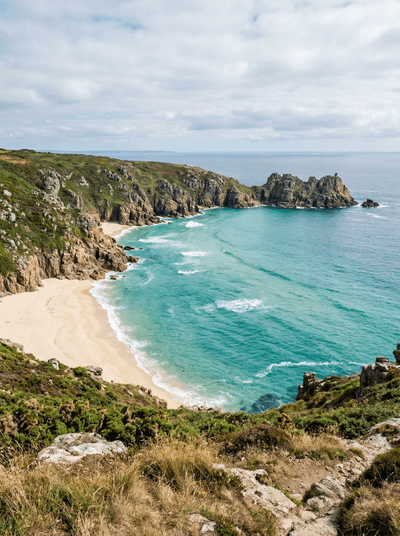
Porthcurno
England
A cliff-top amphitheatre where Shakespeare plays as the Atlantic crashes onto turquoise sand.
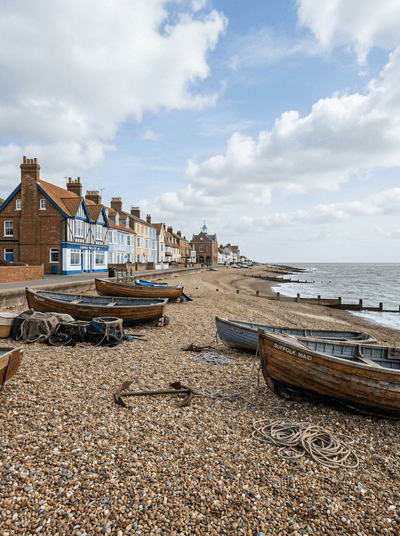
Aldeburgh
England
Salt wind and Britten's music haunting a shingle beach where fishing boats still launch.
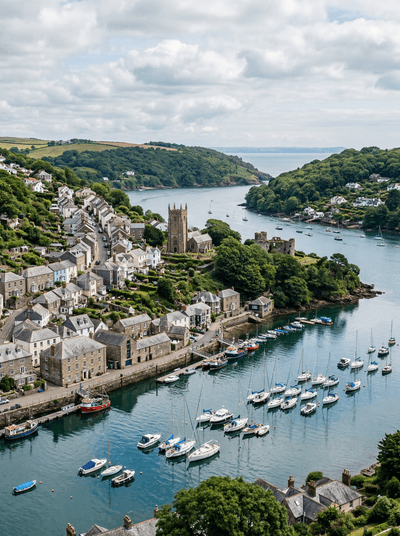
Fowey
England
Daphne du Maurier's estuary, where wooded creeks swallow the sound of the open sea.
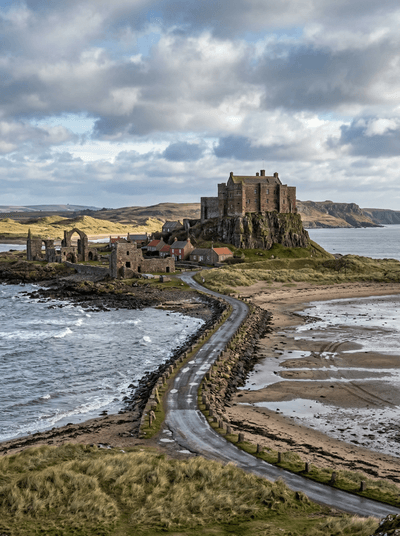
Lindisfarne
England
A tidal island monastery where the causeway drowns twice daily and the tide writes the rules.