Morocco
Rabat
A forty-four-metre minaret still waits for the mosque that died with its sultan.
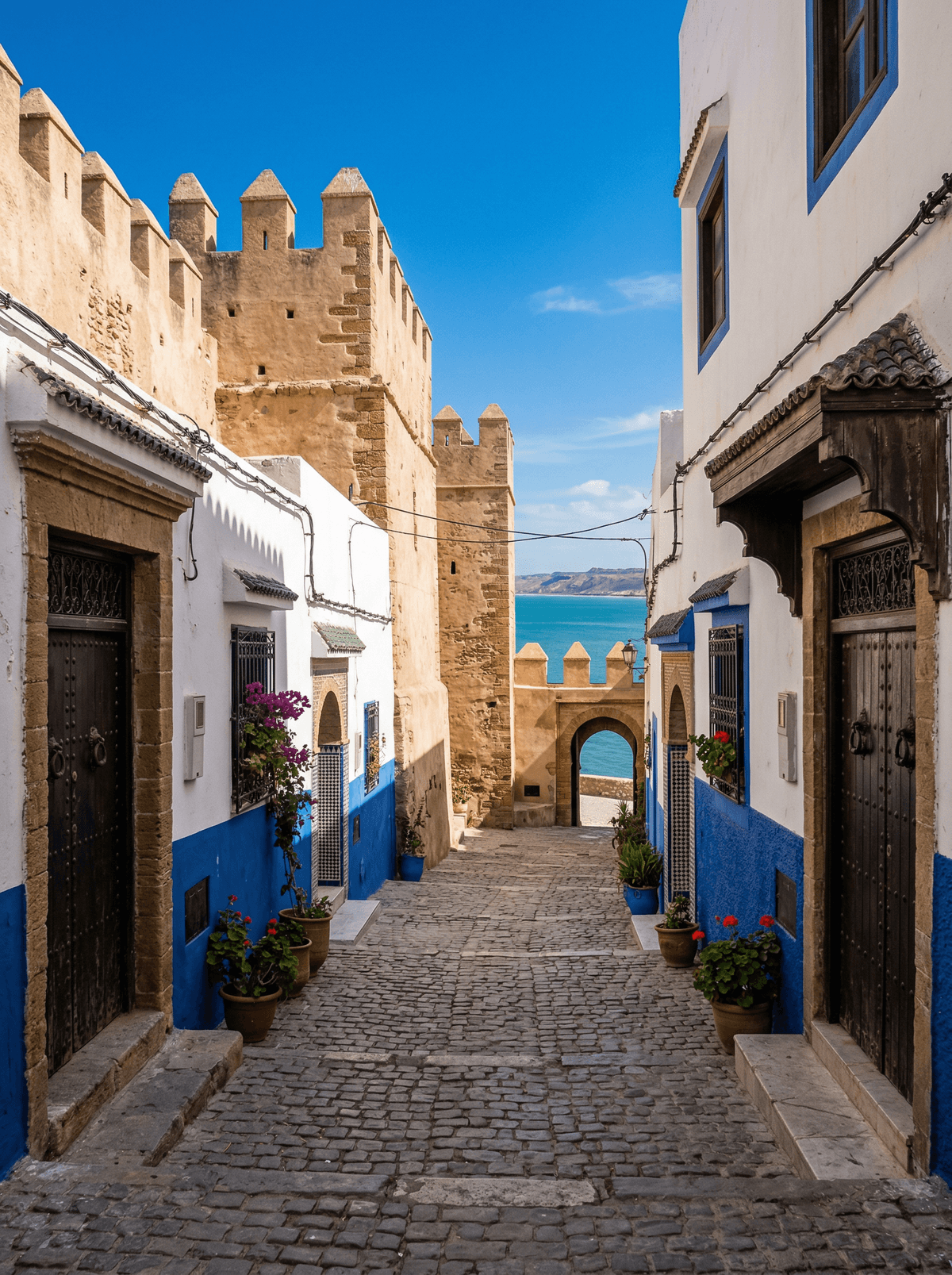
Hassan Tower stops at forty-four metres, its carved sandstone shaft facing ranks of roofless columns where a vast mosque should have stood. Downriver, the Udayas kasbah turns its blue lanes towards the Atlantic and the little crossing boats to Sale. Morocco's capital carries its power quietly, between surf, gardens, ministries and old walls.
Sultan Yacoub Al Mansour started the Hassan complex during the twelfth century; work ended with his death in 1199 before a later earthquake took more of it. Two kilometres away, Chellah lays a fourteenth-century Marinid necropolis over Roman Sala Colonia, its tiled minaret looking down through trees inside the walls. The Udayas holds a different inheritance, its Andalusian lanes and river cafe perched above the Bouregreg estuary. Modern Rabat adds the Mohammed VI Museum, where Melehi, Gharbaoui, Belkahia and other major Moroccan painters share the programme with international exhibitions.
Solo
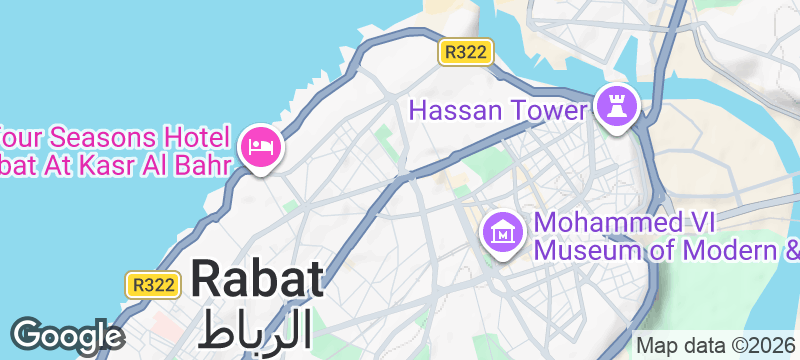
Begin at the Udayas, follow the river edge towards the marina and continue to Chellah for the afternoon. The route gives a solo day three different Rabats: Atlantic fortress, working river and layered necropolis.
Couple
Take mint tea above the estuary in the Udayas, then walk the quay as the little boats cross to Sale. Give Chellah the first morning hour and save the Mohammed VI Museum for the hotter middle of the day.
Family
Hassan Tower's open column field gives children room to understand the size of the missing mosque, and Chellah turns archaeology into a walled garden. The riverfront makes an easy final stretch, with cafes and the crossing boats close together.
Friends
Split the city by layers: Roman and Marinid Chellah in the morning, Moroccan modernism at the museum after lunch, then the Udayas and river quay at dusk. Finish in the Mellah with sfenj while the dough is still hot.
- Hassan Tower is the 44-metre remnant of an Almohad mosque project abandoned after Sultan Yacoub Al Mansour died in 1199.
- Chellah sets Roman Sala Colonia beneath a fourteenth-century Marinid necropolis behind its octagonal gate.
- The Udayas kasbah looks across the Bouregreg to Sale, with blue lanes, Andalusian gardens and tea above the estuary.
- The Mohammed VI Museum holds defining names in Moroccan modern art and mounts temporary exhibitions with an international reach.
Hot sfenj from the Mellah near Rue des Consuls, the ring of fried dough torn apart while its centre still breathes steam.
Rbati pigeon pastilla, crisp pastry holding roasted almonds, cinnamon and savoury meat beneath a dusting of sugar.
Islamabad
Pakistan
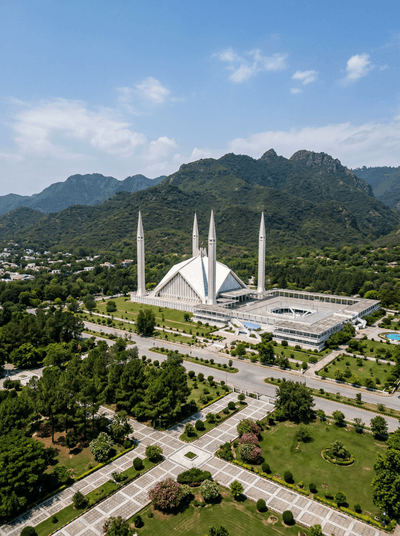
Wild leopards prowl forested hills behind a mosque shaped like a Bedouin tent in white marble.
Lamego
Portugal
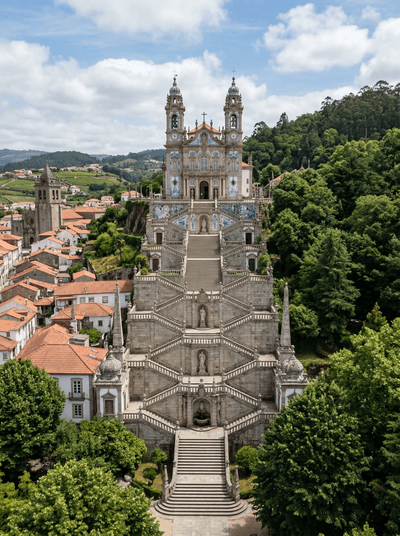
Nearly 700 azulejo-clad steps climb through baroque arches to a church above the Douro.
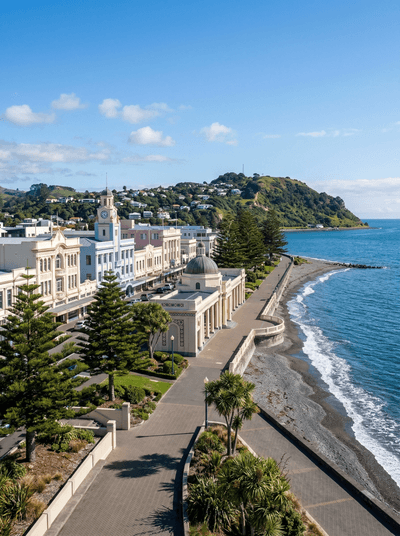
Napier
New Zealand
Rebuilt entirely in Art Deco after a 1931 earthquake levelled the city in minutes.
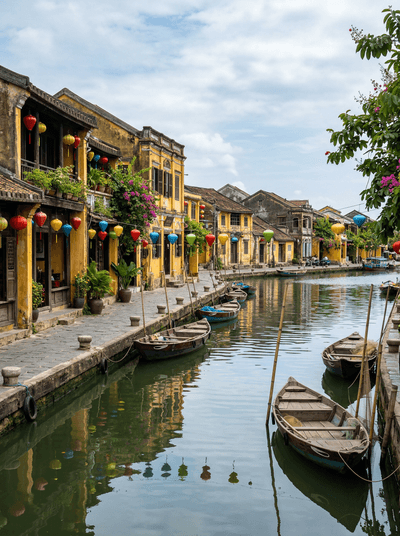
Hoi An
Vietnam
Mustard-yellow merchant houses glowing under thousands of silk lanterns beside a tidal river.
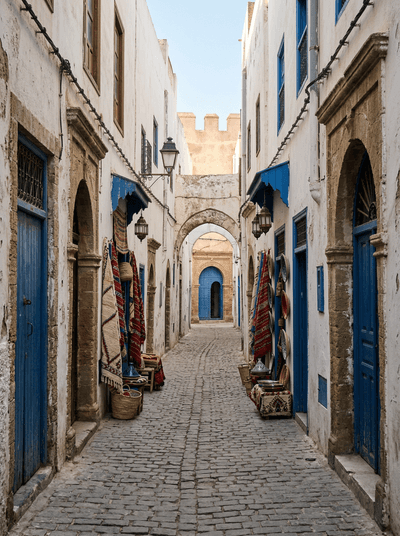
Essaouira
Morocco
Gnaoua rhythms carry a devotional trance through ramparts that once guarded half Morocco's foreign trade.
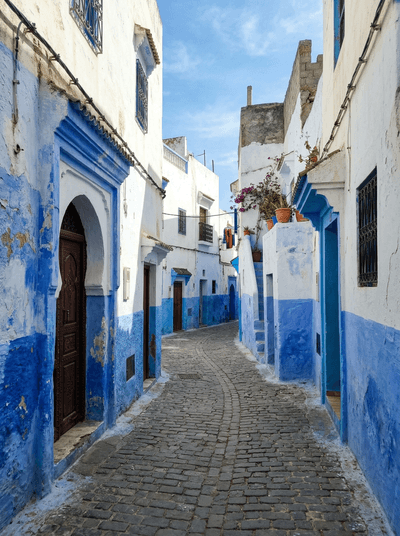
Asilah
Morocco
Fresh murals break across whitewashed lanes inside a fifteenth-century Atlantic wall.
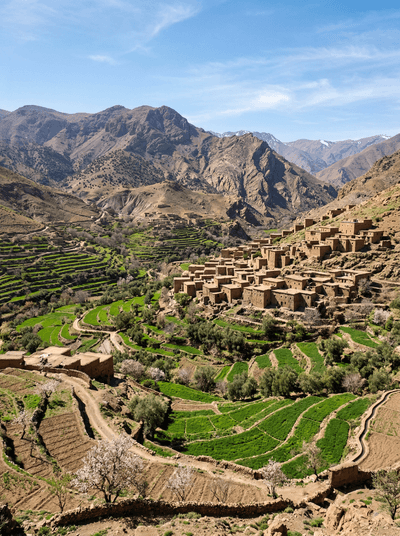
Taliouine
Morocco
Three crimson threads leave each dawn-picked crocus in Morocco's saffron heartland.
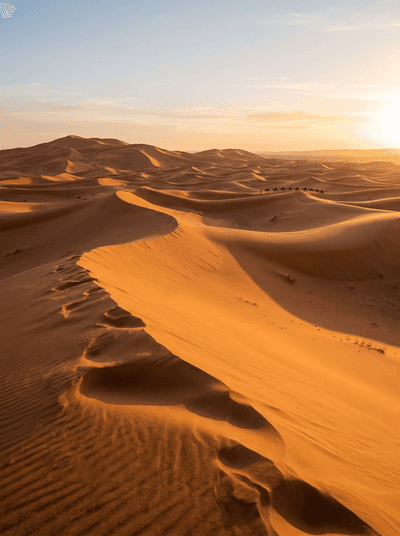
Erg Chebbi
Morocco
A hundred and sixty metres of rose-gold sand interrupts a plain of flat grey rock.