South Africa
Baviaanskloof
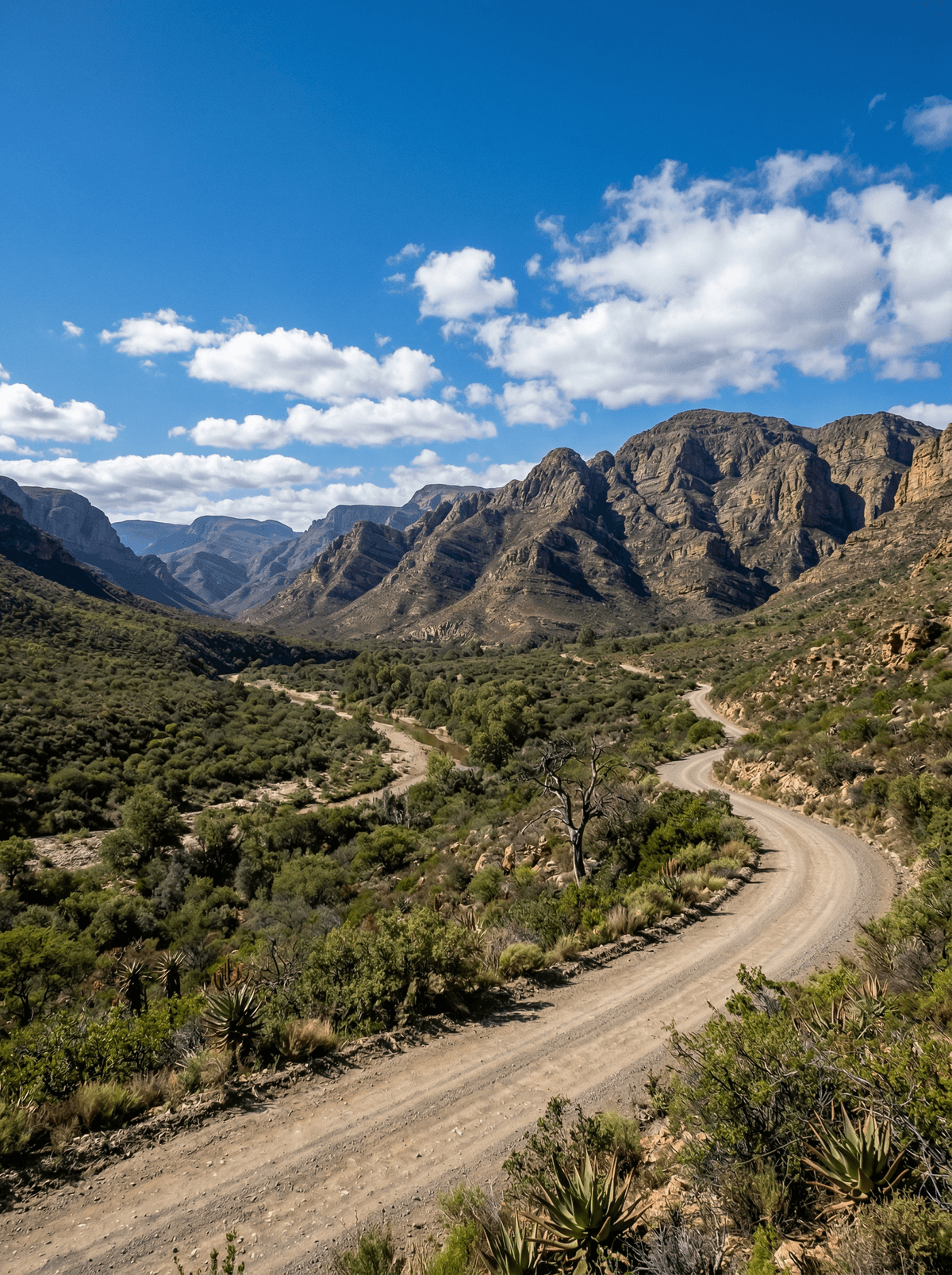
A rough road threads folded mountains, river crossings and farms through a hundred-mile valley.
The road vanishes behind each fold while cliffs gather close on both sides. River water spreads across the tyres before the valley opens to another farm.
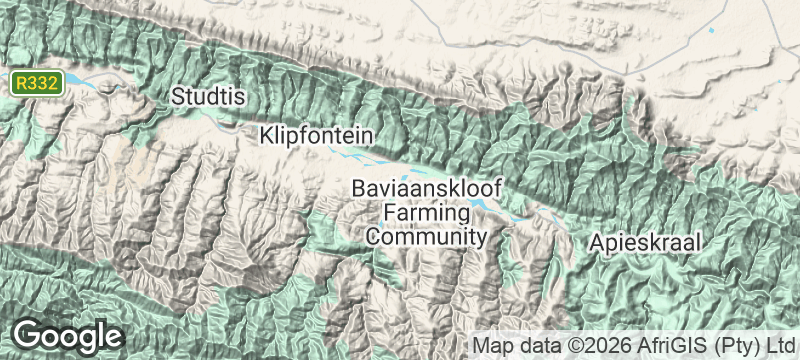
Farms, passes and the protected core build on one another along the valley road. The western traverse becomes a real expedition when water rises or the rough passes slow progress. An overnight stop leaves time for folded geology and the long quiet between settlements.
Solo
Base at a farm and explore one side of the valley; attempt the western traverse only with suitable clearance and river levels.
Couple
Break the journey with a farm stay, a valley meal and a morning walk. Pauses reveal more of the landscape than a single heroic drive.
Friends
Use a suitable vehicle, share navigation and leave daylight for the passes and crossings. Make the western traverse the group adventure in its own right.
- Baviaanskloof combines a living farming valley with a protected wilderness area.
- The western traverse requires high clearance and can be interrupted by river levels.
- Passes, river crossings and hiking routes create full-day depth.
- Accommodation ranges from farm stays to wilderness camps.
A farm dinner built around local lamb and olives keeps the valley's agriculture visible.
Quince, tomatoes and garden produce become jams, chutneys and pickles in Baviaanskloof kitchens.
Glaskogen Nature Reserve
Sweden
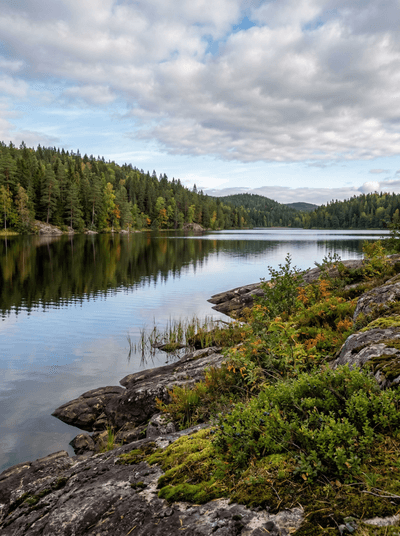
Eighty lakes threaded by canoe routes through Värmland's silent forest.
Wells Gray Provincial Park
Canada
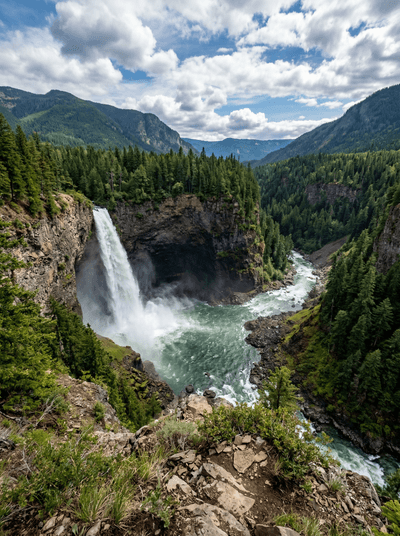
Waterfalls on a volcanic scale pour through a park most itineraries still miss.
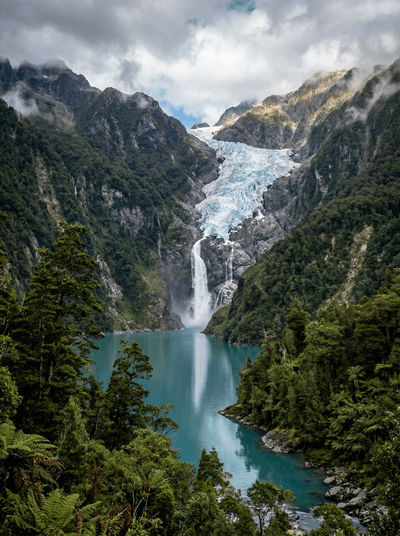
Queulat National Park
Chile
Twin streams fall from a hanging glacier into rainforest dense with rain.
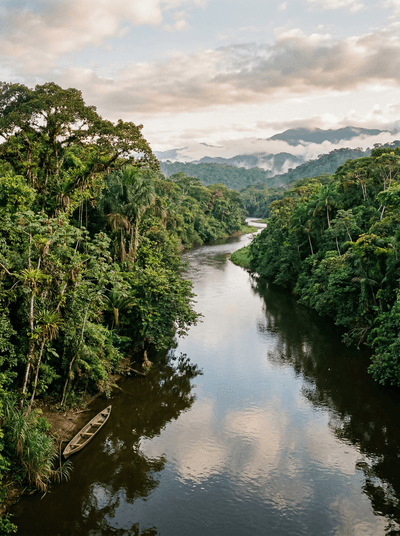
Manú National Park
Peru
One protected descent from glacial grassland to jungle where jaguars still patrol.
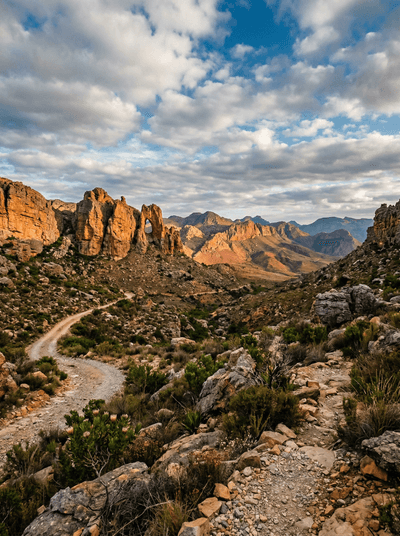
Cederberg
South Africa
Red sandstone arches hold the last heat while rooibos valleys fall into shadow.
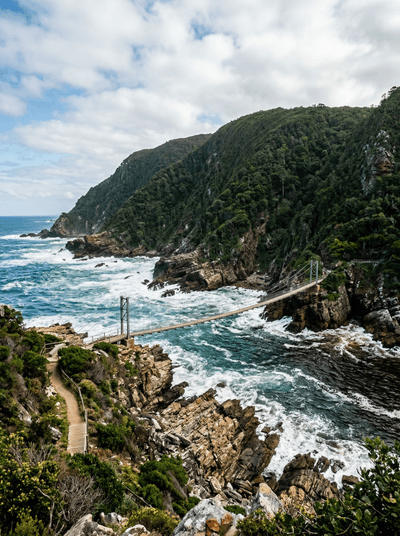
Tsitsikamma
South Africa
Storms River forces through black rock beneath a swaying suspension bridge.
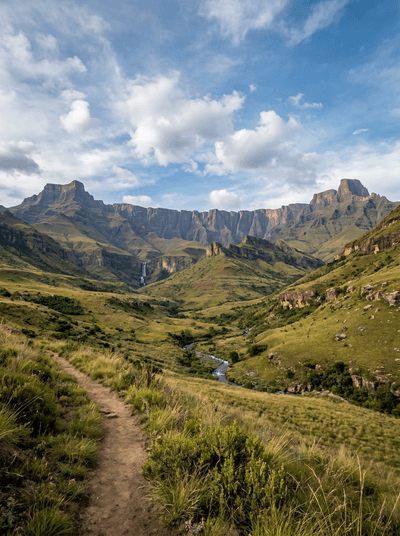
Drakensberg
South Africa
Basalt walls rise above sandstone caves painted across thousands of years.
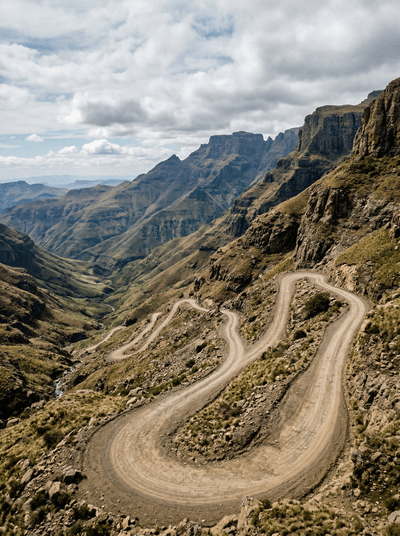
Sani Pass
South Africa
A switchback road climbs from green foothills to a high border above the clouds.