Peru
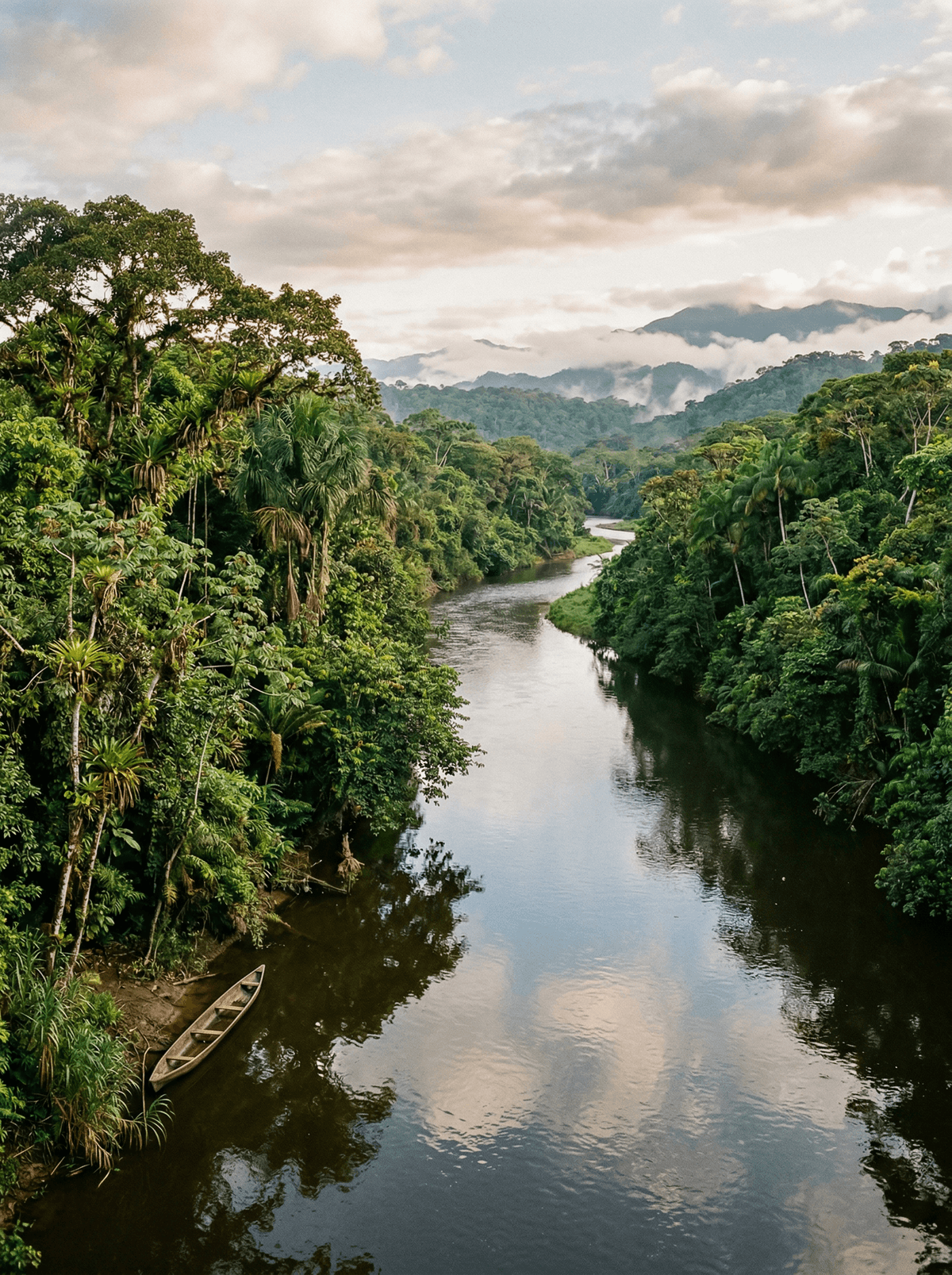
Manú National Park
One protected descent from glacial grassland to jungle where jaguars still patrol.
The canopy seals overhead and the soundscape layers — bird call over insect drone, spider monkeys crashing through the branches, somewhere the rumble of a rain-swollen river. Manú falls from Andean grassland near 4,000 metres to Amazonian lowland, and the transition between worlds happens within a single journey through cloud forest that drips and hisses with life.
Manú National Park spans Cusco and Madre de Dios in one of Earth's most complete protected gradients — puna, cloud forest, lowland rainforest and oxbow lakes in a single descending line, with over a thousand bird species recorded along it. The park is visited on its own terms, entered under authorisation — high-Andean viewpoints, the Pusharo route, and the multi-day Río Manu expedition into the lowlands — with jaguar, giant otter and spectacled bear all resident and all appearing strictly on their own schedule. A Río Manu itinerary is a genuine expedition of road, river and remote lodge out of Cusco, and its rhythm — dawn watches, long transfers, forest nights — is the reward as much as any sighting.
Solo
For the traveller who commits to a small-group river expedition, the reward is one of the planet's most biodiverse corners with scarcely another soul in it.
Couple
Watching ecosystems change hour by hour on the descent — then dawn on the river with macaws overhead — leaves a permanent mark on two people.
Friends
Early wildlife watches, river days and lodge nights where the forest is the only entertainment bond a group; the birding alone fills a week.
- One protected gradient runs from high puna through cloud forest to Amazon lowland.
- Recorded bird species within the park run past a thousand.
- Jaguar, giant otter and spectacled bear are resident — met only on their own terms.
- The park is entered under authorisation, its zones running from Andean viewpoints to the Río Manu circuit.
Juane unwrapped from its bijao leaves at a river rest stop — the jungle's portable feast.
Raw cacao cracked and tasted at cloud-forest lodges — nothing like the processed bar.
Baviaanskloof
South Africa
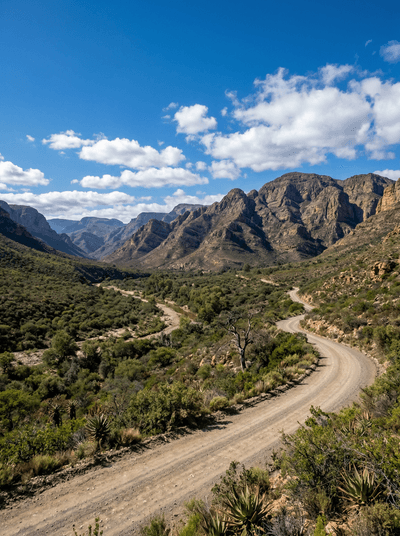
A rough road threads folded mountains, river crossings and farms through a hundred-mile valley.
Glaskogen Nature Reserve
Sweden
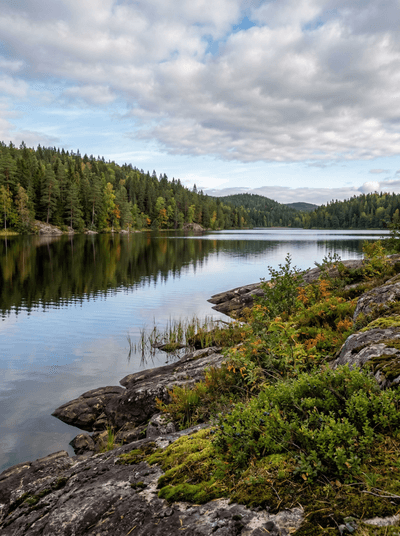
Eighty lakes threaded by canoe routes through Värmland's silent forest.
Namosi Highlands
Fiji
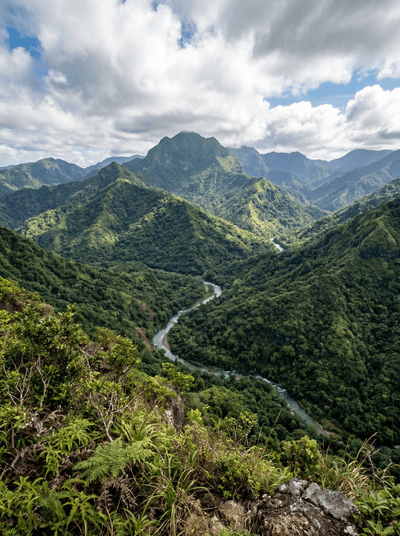
Bamboo rafts still run the cold green rivers under Namosi's cloud-hung jungle walls.
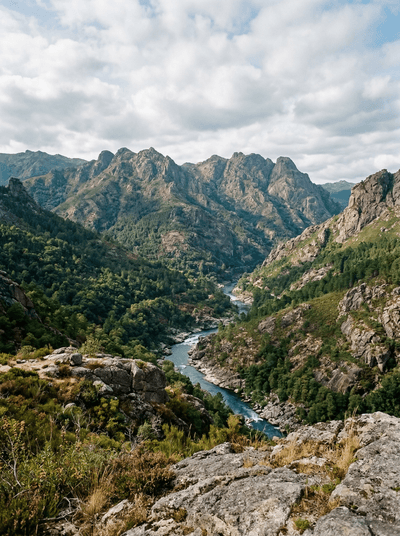
Peneda-Gerês
Portugal
Portugal's only national park — granite canyons, wild horses, Roman milestones on lost paths.
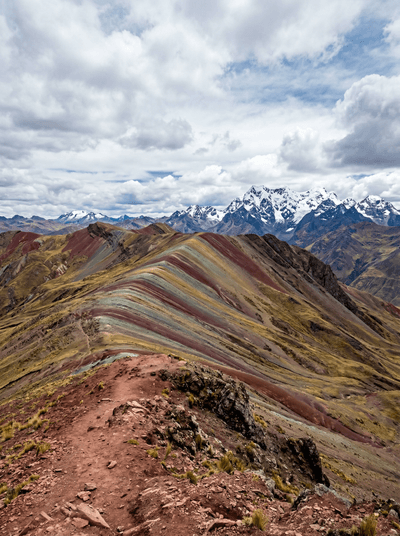
Palccoyo
Peru
Three rainbow ridges from one short plateau walk, plus a forest of stone.
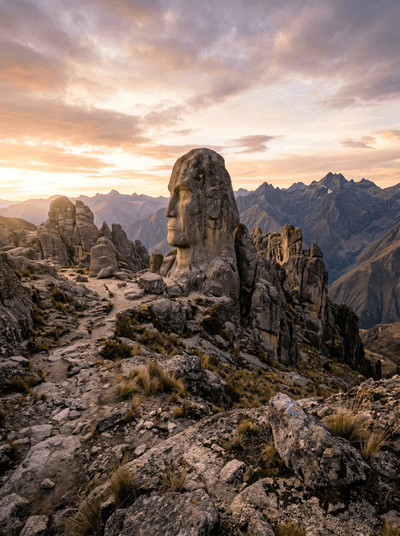
Marcahuasi
Peru
A 4,000-metre plateau where stone has weathered into colossal faces and impossible animals.
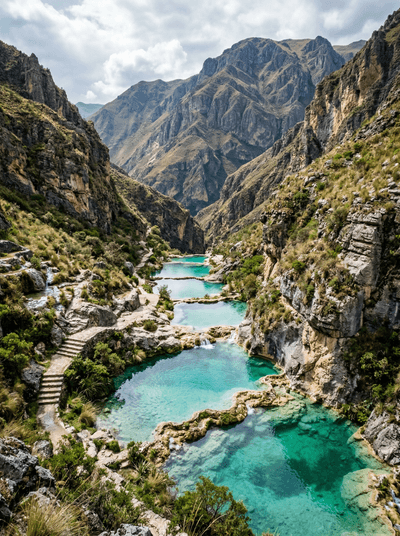
Millpu
Peru
A chain of electric-blue pools threading a pale limestone gorge in the high Andes.
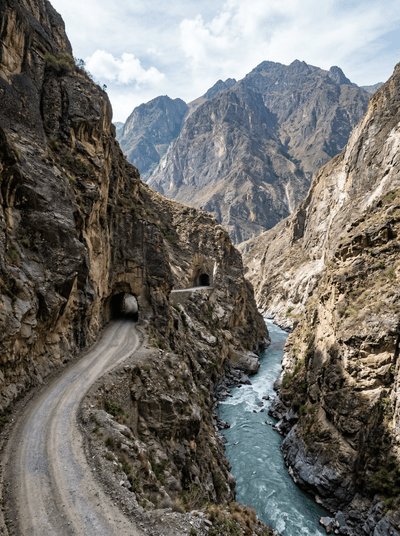
Cañón del Pato
Peru
A road threading dozens of hand-carved tunnels through a canyon that nearly closes overhead.