Panama
Boca Brava
At dawn and dusk the whole island howls, a monkey chorus above the whale gulf.
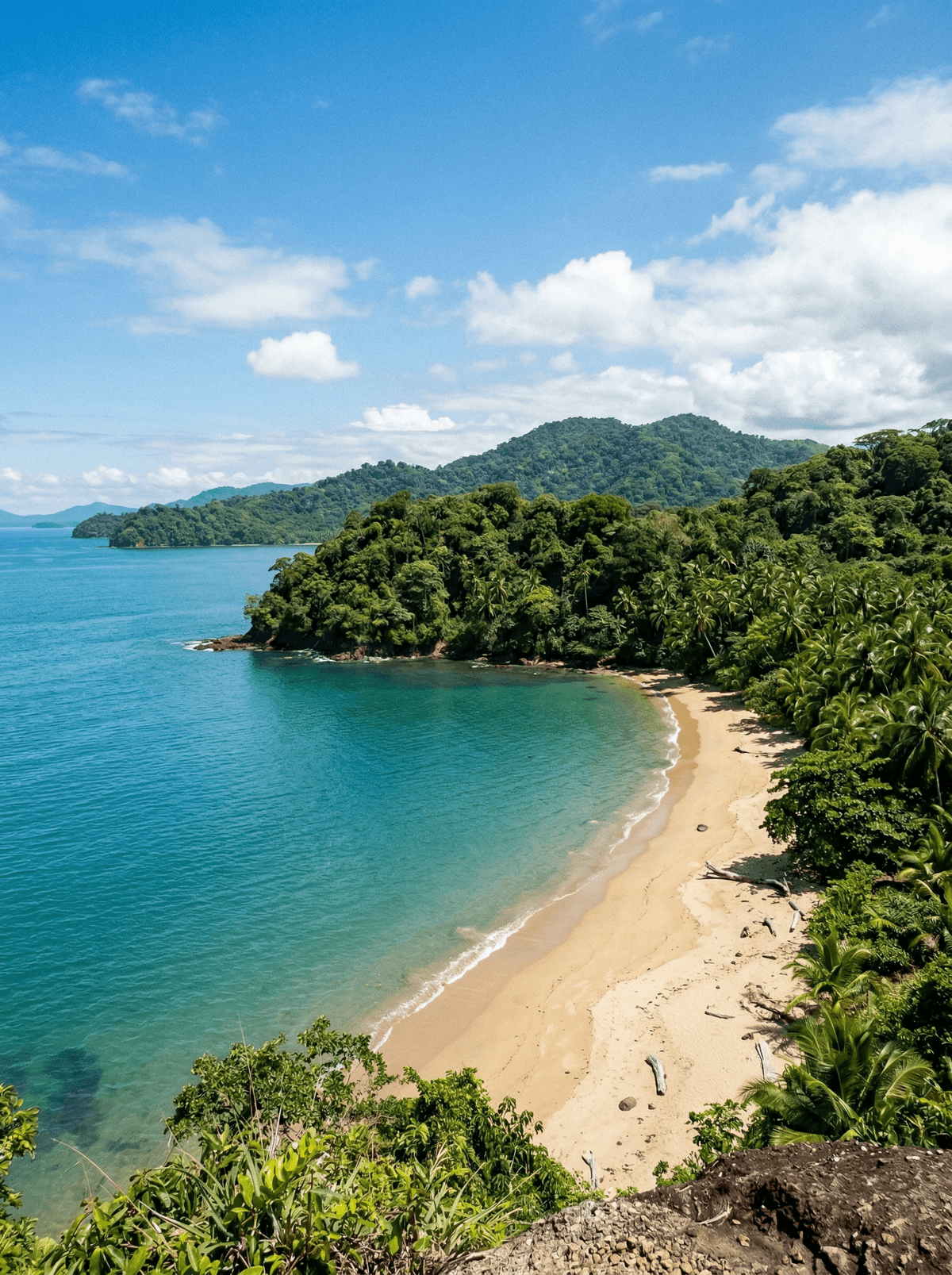
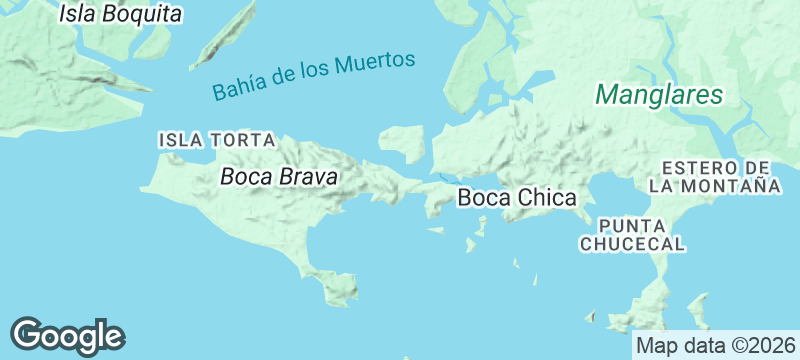
Two hundred metres of water separate Boca Brava from the mainland dock, and the crossing swaps engines for animals: howler monkeys run this island, massing into an all-island chorus in the early morning and again before dark.
The island guards the entrance to the Gulf of Chiriquí National Marine Park, 14,740 hectares protecting 25 islands and 19 coral reefs, and it earns its place in that company: five kilometres of trails through primary forest, more than 280 bird species from parrots to the lineated woodpecker, and paths dropping to the beaches of Playa de Piedritas and Playa de Arena. The lodge above the water holds a 270-degree view over the marine park, and its boats run the gulf's circuit: snorkel drops, dolphin watching, white-sand landings on Bolaños and Gámez, and humpback whales from July to October. Side trails hide the smaller cast, iguanas, armadillos, horned beetles, for anyone walking slowly enough to notice.
Couple
A quiet island lodge with monkeys for an alarm clock and a gulf of islands for day trips is Pacific romance at its most unpolished.
Family
The crossing takes minutes, the trails are established, and children get howler choruses, beach shallows and a boat day among the marine-park islands.
- The island guards the mouth of the Gulf of Chiriquí National Marine Park, which protects 25 islands and 19 coral reefs.
- Five kilometres of trails cross primary forest where howler monkeys come door to door.
- Humpback whales pass through the gulf from July to October, with dolphin watching and snorkel runs between.
- Boats hop to the white-sand islands of Bolaños and Gámez inside the marine park.
Order the lobster: on this island it is caught just off the shore you are looking at.
The fish of the day comes straight from local fishermen's nets, eaten above a 270-degree gulf view.
Alonissos
Greece
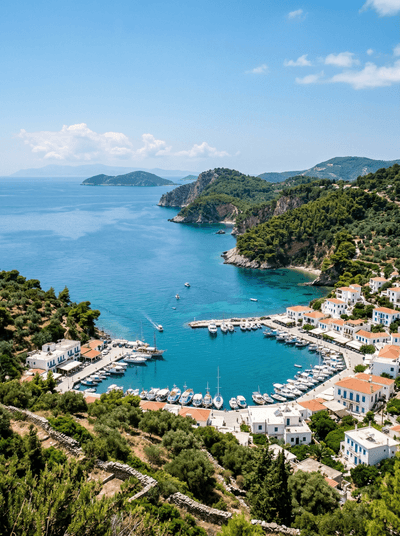
A vast marine park where monk seals still hold their coves — Greece's wild northern Sporades.
Barra
Scotland
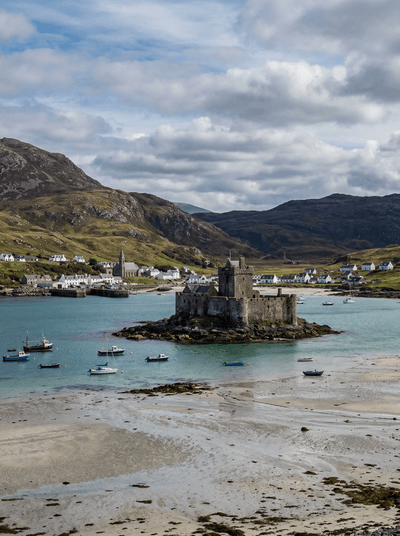
Planes land on a beach here — the tide sets the timetable, not the tower.
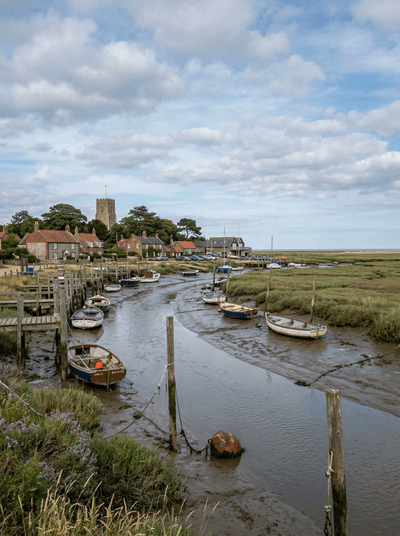
Brancaster Staithe
England
Tidal flats so vast the sky feels curved, samphire crunching underfoot at the marsh edge.
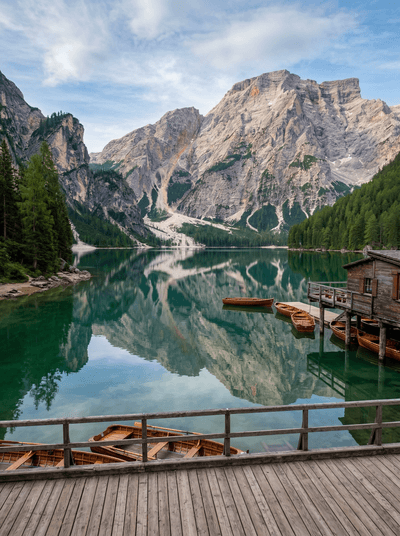
Lago di Braies
Italy
Emerald water so still the Dolomite cliffs reflect in double, wooden boats drifting like toys.
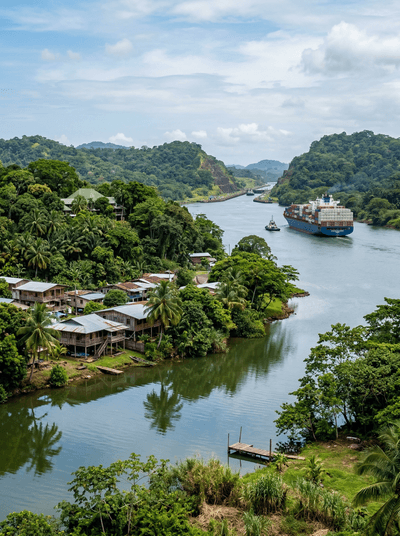
Gamboa
Panama
A rainforest town where ocean-going ships glide silently between the trees.
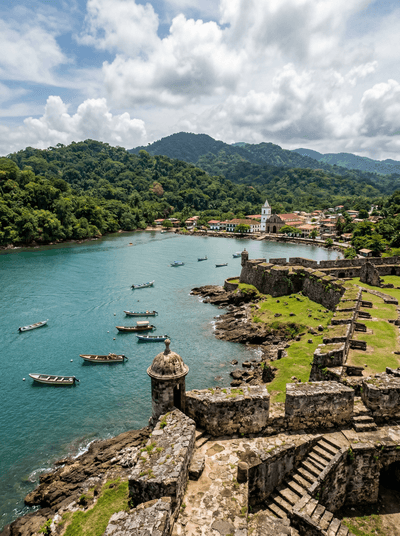
Portobelo
Panama
Rusting cannons guard the harbour where Spanish galleons loaded Potosí's silver for Spain.
Punta Patiño
Panama
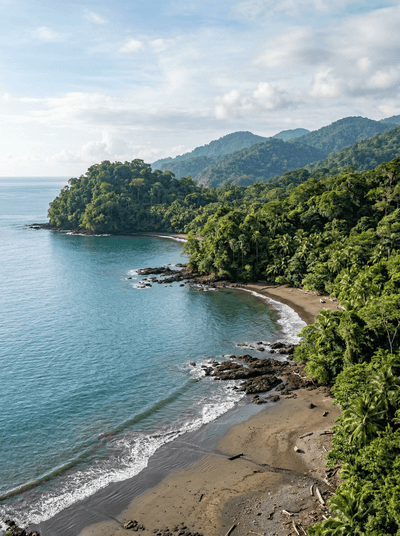
Harpy eagles with the largest talons of any living eagle nest in this Darién reserve.
El Valle de Antón
Panama
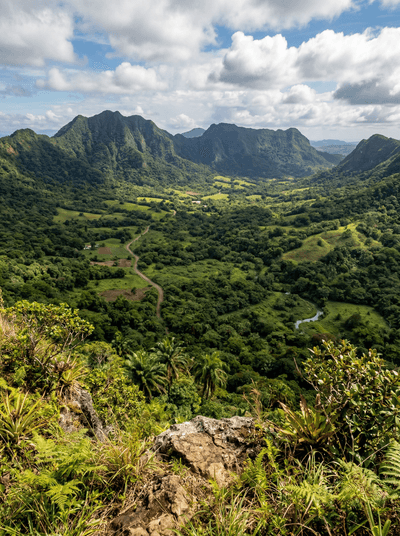
A whole town spreads across the floor of an extinct volcano's crater.