Panama
Portobelo
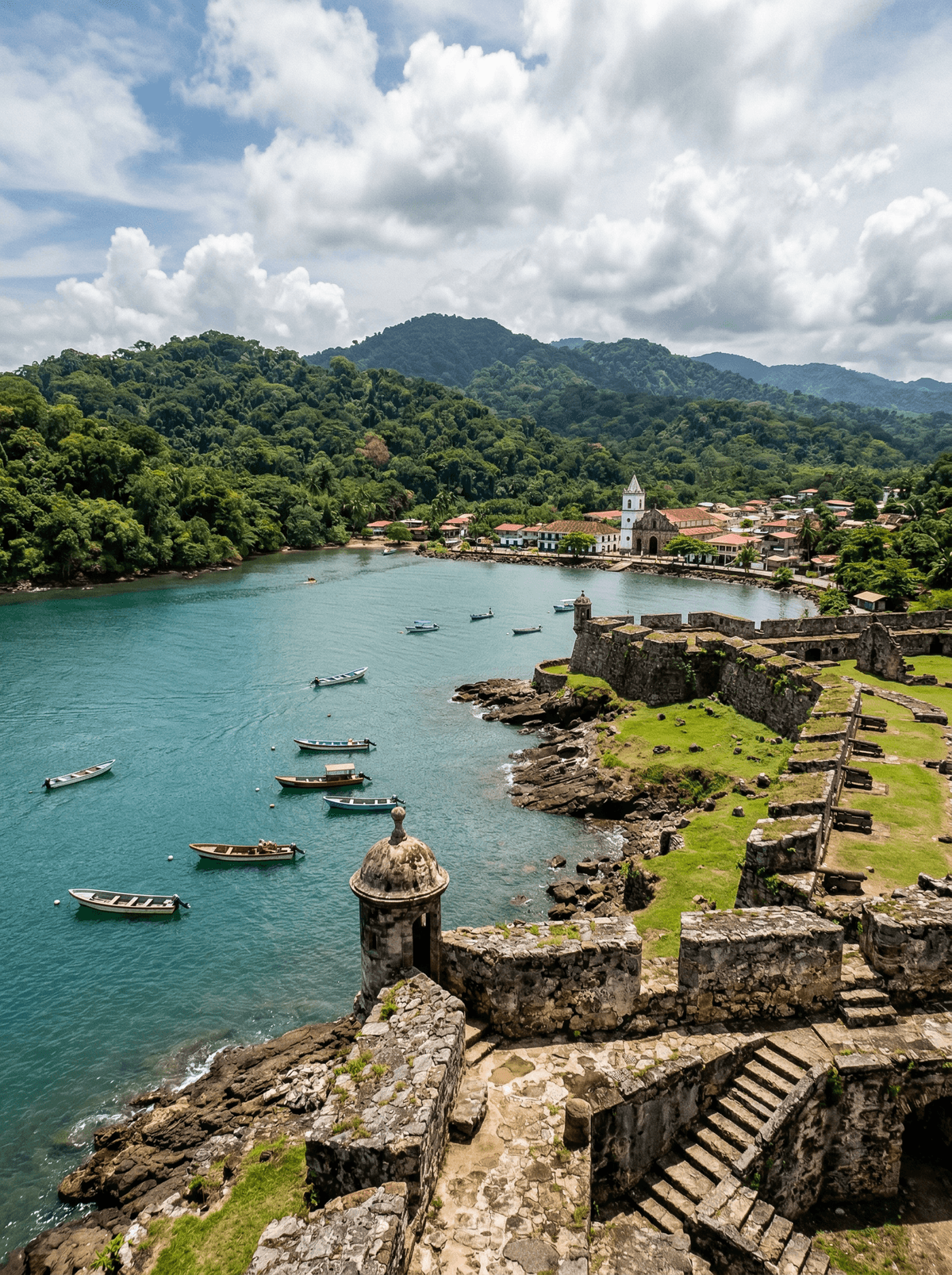
Rusting cannons guard the harbour where Spanish galleons loaded Potosí's silver for Spain.
Iron cannons still point out to sea from mossy ramparts, aimed at the same Caribbean approach they defended four centuries ago. The heat is thick and still, salt and frying fish drifting off the dock, and the empire that built all this is long gone: the jungle and the sea have moved back in.
Founded in 1597 to replace Nombre de Dios, Portobelo became the Caribbean mouth of the Spanish treasure route: silver from the Potosí mines crossed the isthmus by mule train to the Royal Customs House, where the king's share was counted, and the town's trade fairs grew into the most important in all Spanish America. Francis Drake called this corner of the empire 'the treasure house of the world'. The San Jerónimo battery and the Castillo Santiago de la Gloria still ring the bay with their cannon, UNESCO-listed together with San Lorenzo since 1980, while the old customs house now holds the Afro-Panamanian Memory Museum. The living town is Congo country, its music and dance carrying the history of Afro-descendant resistance, and its heart is the Black Christ of San Felipe church, paraded through the streets each 21 October by pilgrims robed in purple, some of whom crawl the final mile.
Solo
The fort circuit, the customs-house museum and the Congo galleries reward slow, unhurried observation, and the whole town walks end to end in minutes.
Couple
Climb the ramparts as the light goes gold on the bay, then take a long seafood dinner overlooking the water the galleons once anchored in.
Family
Children climb real cannon emplacements and fortress stairs instead of reading plaques, and the fishing dock keeps a working-harbour show running all day.
- For over a century the Spanish fleets made Portobelo an obligatory stop, and its trade fairs were the most important in Spanish America.
- Each 21 October pilgrims in purple robes converge on the Black Christ of San Felipe church, some crawling the final mile.
- Congo music and dance, UNESCO-listed intangible heritage, carry the community's history of resistance, with drumming taught at Casa Congo.
- The San Jerónimo battery and Castillo Santiago de la Gloria still ring the bay, UNESCO-listed alongside San Lorenzo since 1980.
Seafood cooked with coconut, curry and ají chombo chilli in restaurants above the bay is the town's Afro-Panamanian signature.
Coconut bread finishes a fort-walking day, and farm restaurants outside town plate meals straight from their own crops.
Nizwa
Oman
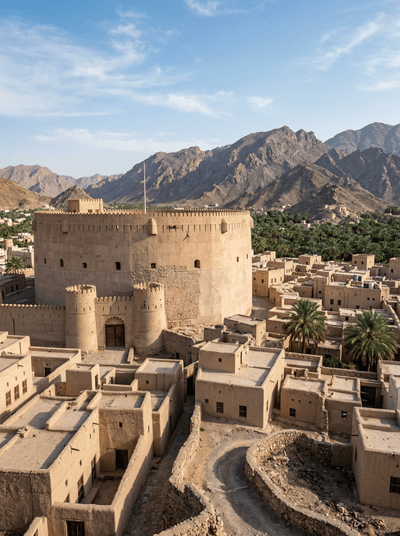
On Friday mornings goats and cattle circle the ring beneath a tower built for cannon fire.
Mardin
Turkey
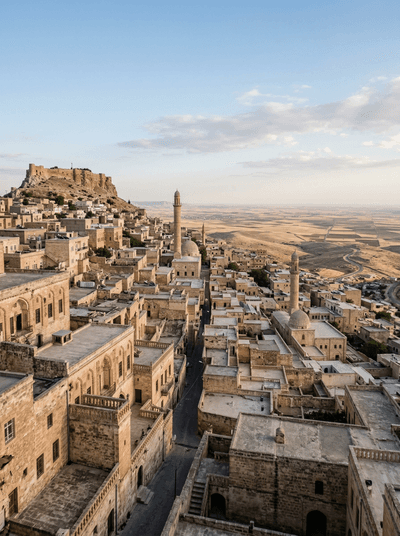
Honey-coloured stone houses cascade down a hill overlooking the flat Mesopotamian plain stretching to Syria.
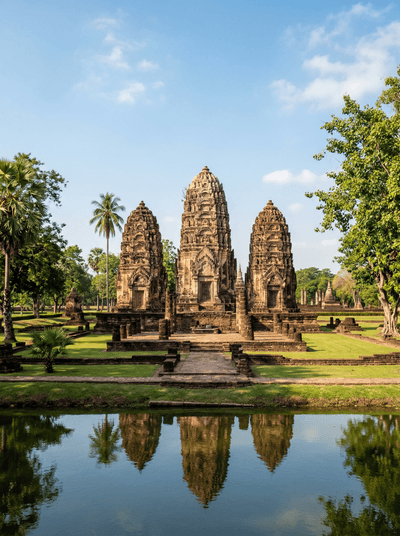
Sukhothai
Thailand
Cycling through lotus ponds and brick stupas where Thailand's first capital crumbles into dust.
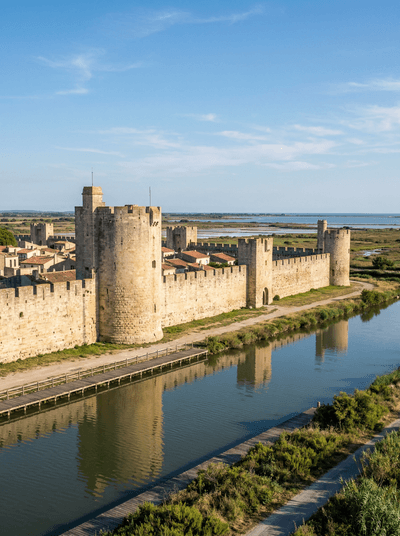
Aigues-Mortes
France
Crusader ramparts stranded on salt flats where the sea withdrew and left a walled port behind.
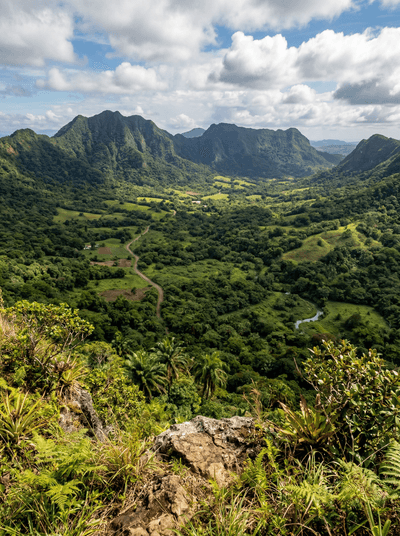
El Valle de Antón
Panama
A whole town spreads across the floor of an extinct volcano's crater.
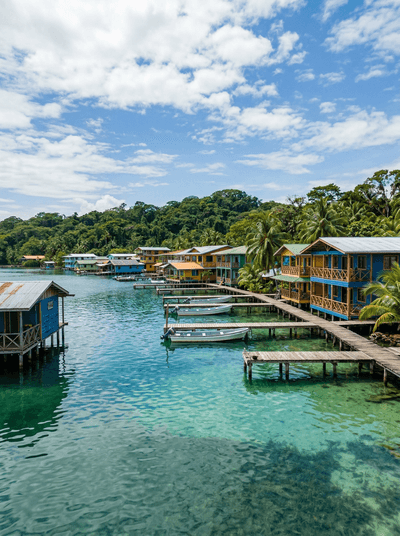
Bocas del Toro
Panama
Over-water bungalows on a Caribbean archipelago where sloths drift through mangrove canopies.
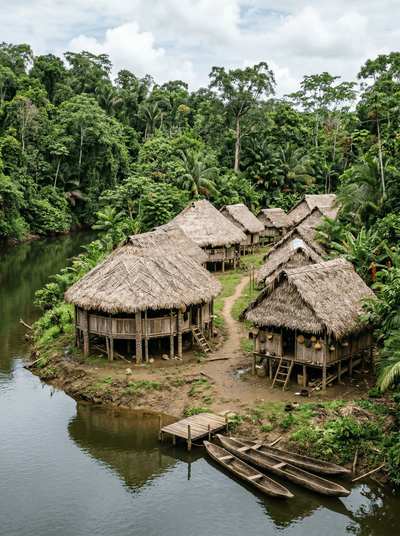
Emberá Communities of the Chagres
Panama
Upriver by dugout canoe to a village where tattoos are drawn from a rainforest fruit.