France
Brouage
A star-shaped fortress marooned in salt marshes where the sea abandoned Champlain's birthplace.
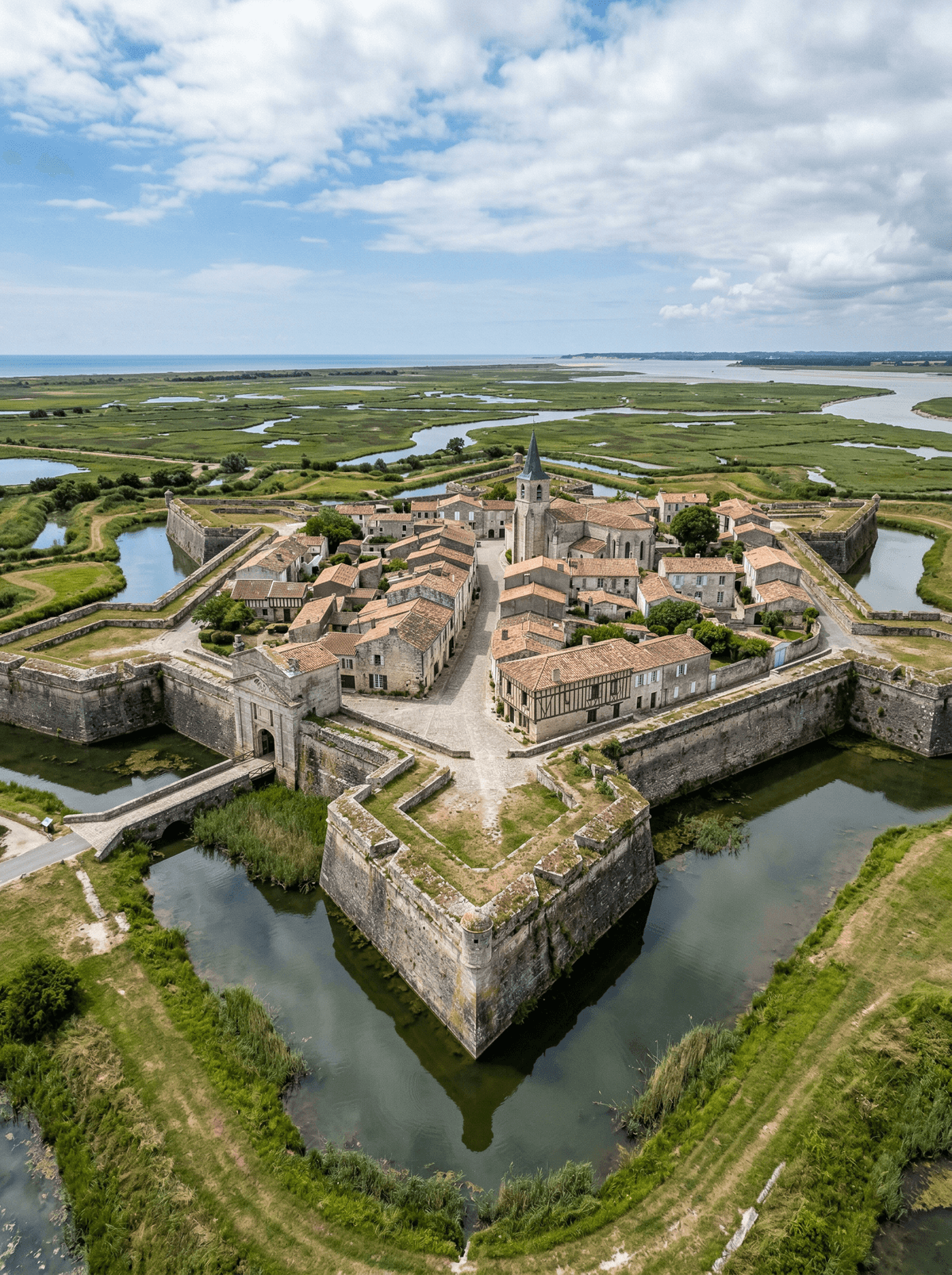
The fortress stands complete on all sides — star-shaped walls, moats, bastions — but the sea is gone. Brouage in France was a major Atlantic port when Champlain was born here in the 1570s; now the salt marshes have silted in, the harbour has vanished, and the Vauban fortifications guard nothing but bird nests, egrets, and a silence that grows from the absence of purpose.
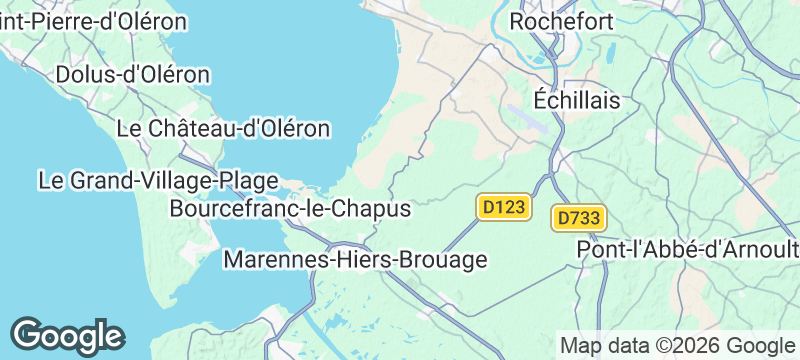
Brouage was a fortified port town on the Charente-Maritime coast, established in 1555 as a centre for the Atlantic salt trade. Samuel de Champlain, founder of Quebec City, was born here around 1574, and the town is twinned with Quebec in his honour. The star-shaped fortifications, reinforced by Vauban in the 17th century, remain intact on all four sides — bastions, curtain walls, powder magazines, and a forge — but the harbour that justified their construction has silted shut, leaving the fortress stranded several kilometres from the nearest navigable water. The surrounding salt marshes, no longer commercially active, now support breeding populations of egrets, grey herons, avocets, and other wetland species. Fewer than 100 permanent residents live within the walls. The Marennes-Oléron oyster basin, the largest in France, lies five minutes away.
Solo
Walk the star-shaped ramparts alone — the geometry is textbook Vauban, the salt marshes stretch below, and the absence of the sea that once lapped at the walls gives the fortress a melancholy that explanation only deepens. Champlain's birthplace adds a departure to match the abandonment.
- Champlain was born here before founding Quebec — the fortress is now twinned with the Canadian city in his name.
- Star-shaped Vauban fortifications stand complete on all sides — the aerial geometry is textbook 17th-century military design.
- The salt marshes surrounding the fortress are now bird habitat — egrets, herons, and avocets breed in the former salt pans.
- The village inside the walls has fewer than 100 residents — the emptiness amplifies the sense of abandonment by the sea.
Oysters from Marennes-Oléron — France's largest oyster basin, five minutes from the fortress walls.
Éclade de moules — mussels cooked under burning pine needles on an outdoor plank, smoky and briny.
Millennium Cave
Vanuatu
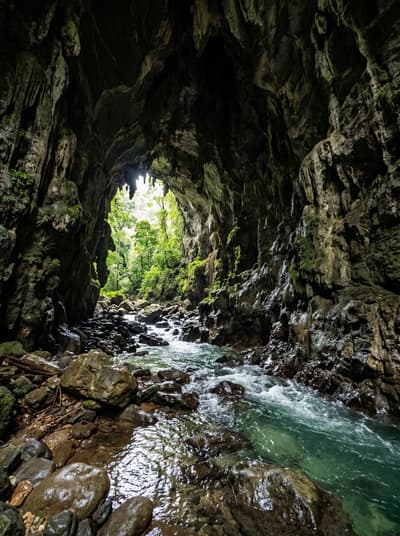
Scramble through jungle and wade chest-deep rivers to a cave you enter walking and exit floating.
Maryang-ri
South Korea
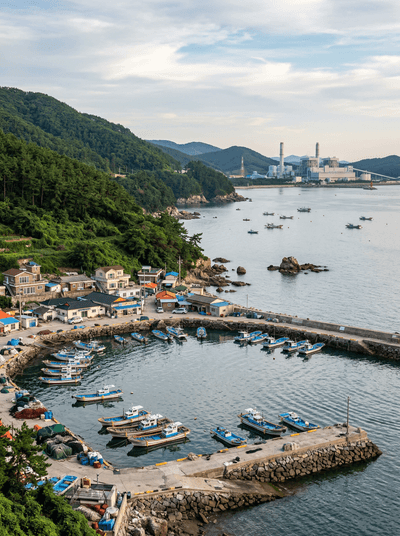
A five-hundred-year-old forest of camellia trees bleeding red flowers against the grey winter sea.
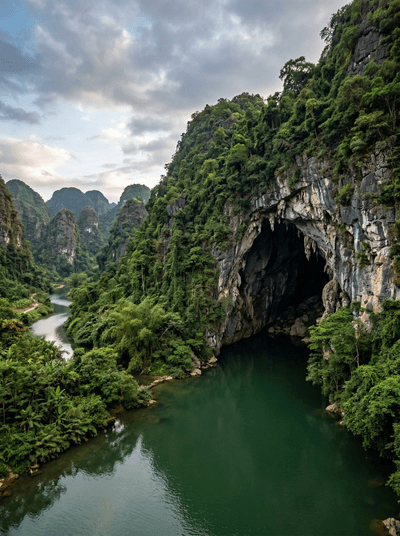
Phong Nha
Vietnam
Hidden jungle portals opening into subterranean river systems and limestone caverns.
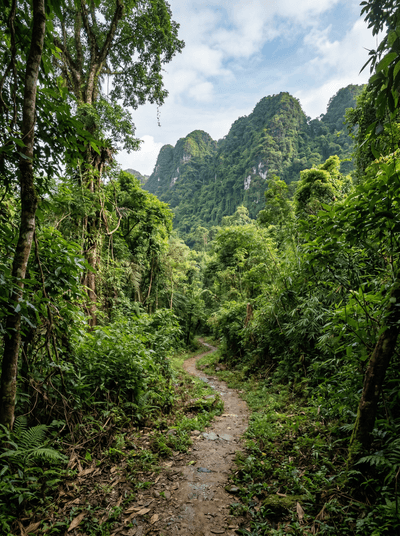
Cuc Phuong National Park
Vietnam
Millennium-old trees rising above a jungle floor swarming with millions of white butterflies each spring.
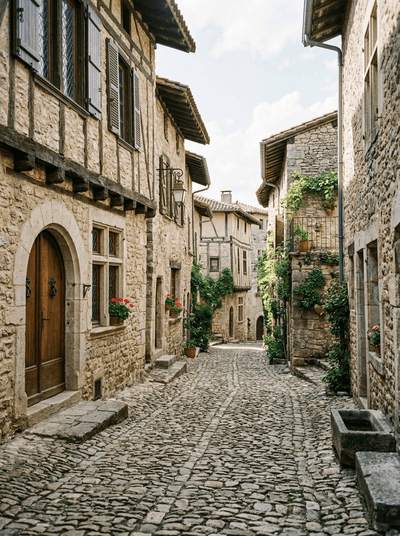
Pérouges
France
Cobblestones polished to glass in a walled hilltop village where the 15th century never left.

Mont-Saint-Michel
France
A granite abbey rising from quicksand flats where the tide races in faster than horses.
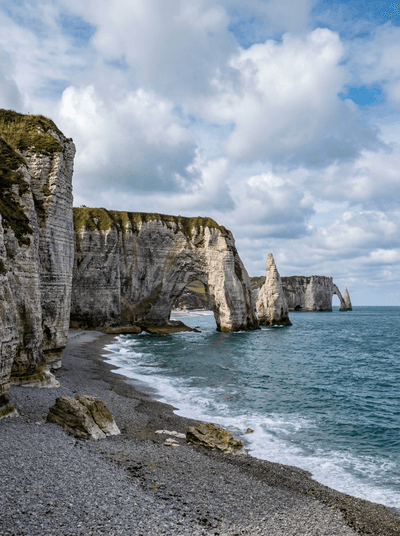
Étretat
France
Chalk arches punched through sea cliffs like cathedral windows opening onto the Channel.
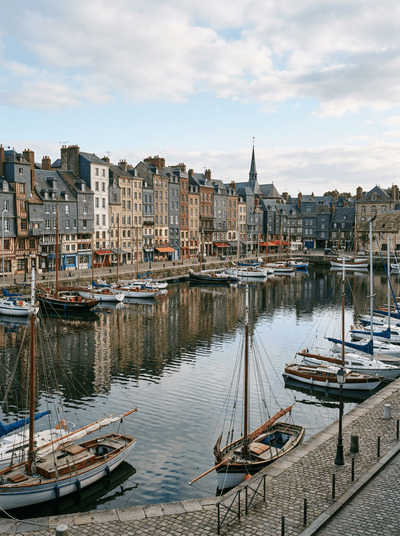
Honfleur
France
Slate-fronted houses mirrored in a harbour that taught the Impressionists how light works.