Italy
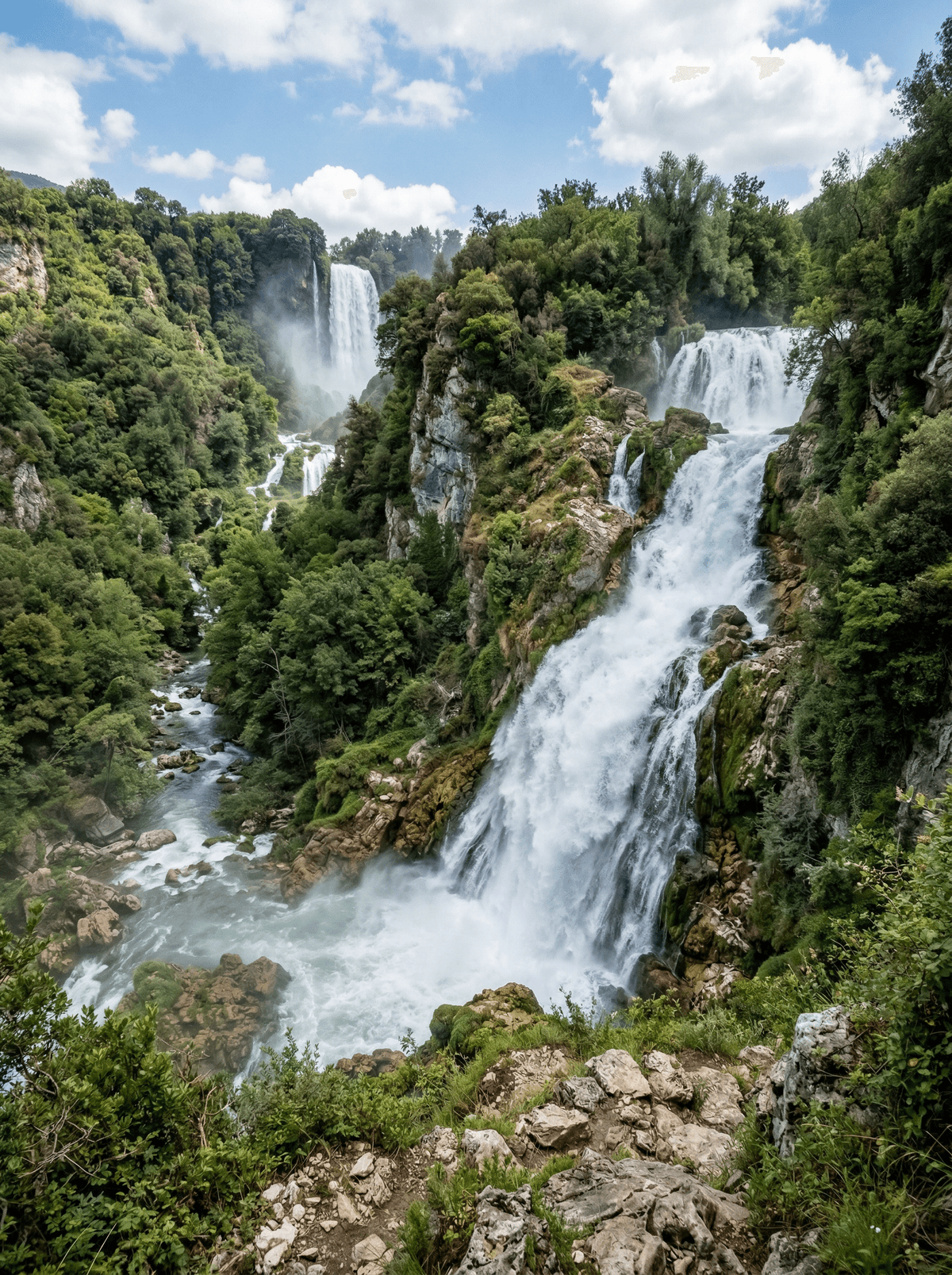
Cascate delle Marmore
Romans sent a river over a cliff in 271 BC; the thunder still obeys a timetable.
The sound arrives first, a deep percussive roar that vibrates in your chest before the water comes into view. Then the falls appear, smashing down a limestone staircase in three tiers, throwing mist across the viewing paths. This is engineered spectacle at a geological scale.
The Marmore falls exist because the consul Curius Dentatus ordered a canal cut in 271 BC to drain the marshes of the Rieti plain, sending the River Velino over a cliff into the Nera valley. The 165-metre drop stands among the tallest waterfalls in Europe, yet it still answers to human hands: a hydroelectric company controls the flow, so the falls switch from a veil to a wall of white water at published release times. Watching the river arrive on schedule is half the strangeness of the place. Trails connect the upper and lower viewpoints through ilex woods that stay soaked in spray.
Friends
Raft the Nera below the falls, then stand in the spray zone for the scheduled release; the roar rewards a crowd.
Family
Children are transfixed by a waterfall that switches on; the lower viewpoint path is easy and the park has picnic lawns.
- The consul Curius Dentatus ordered the diverting canal cut in 271 BC, and the Roman alignment still carries the river.
- The flow is controlled for hydroelectric power, so the falls switch on to published release times.
- At 165 metres over three tiers, the drop ranks among the tallest waterfalls in Europe.
- Lower and upper viewpoints connect by steep woodland trails that live inside the spray.
Trout from the Nera, the river that makes the falls, grills simply in valley trattorias.
Minestra di farro, the Valnerina's ancient-grain soup, restores legs that climbed the spray paths.
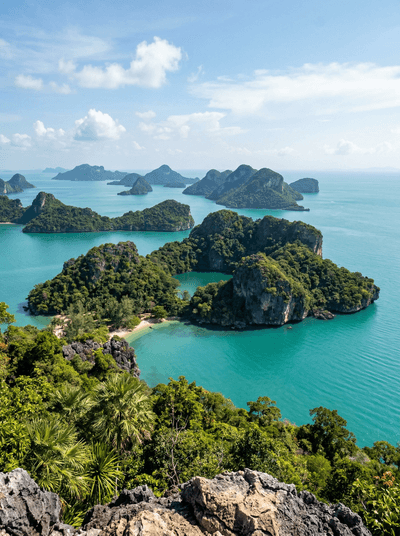
Ang Thong Marine Park
Thailand
Forty-two jungle islands hiding an emerald saltwater lake inside a collapsed limestone crater.
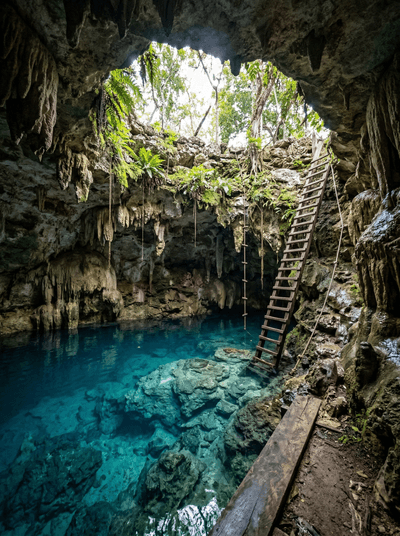
Cenotes of Cuzamá
Mexico
Horse-drawn rail carts rattle old henequen tracks towards pools lit by single shafts of light.
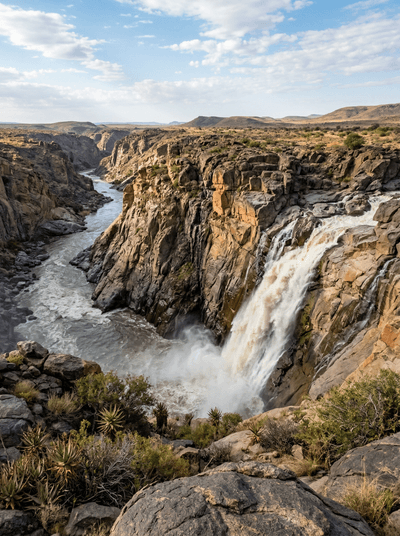
Augrabies Falls National Park
South Africa
Aukoerebis takes its name from the roar as the Orange River plunges fifty-six metres.
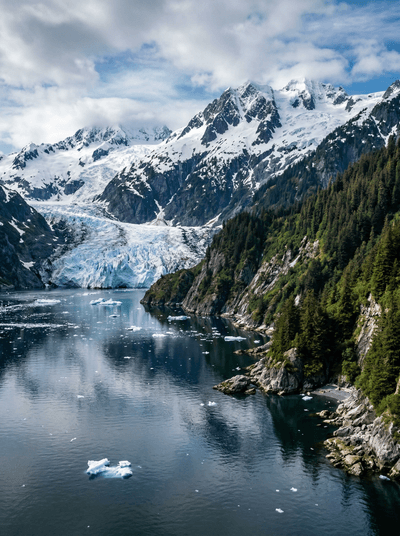
Kenai Fjords
United States
Exit Glacier retreating in real time; the trail markers show where it stood each decade.
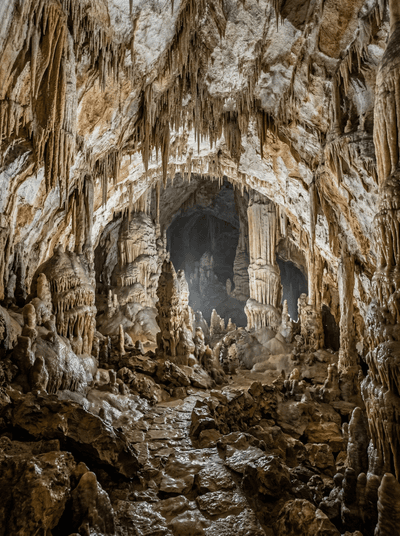
Frasassi Caves
Italy
An underground void so vast Milan's Duomo would fit inside, stalactites still growing in darkness.
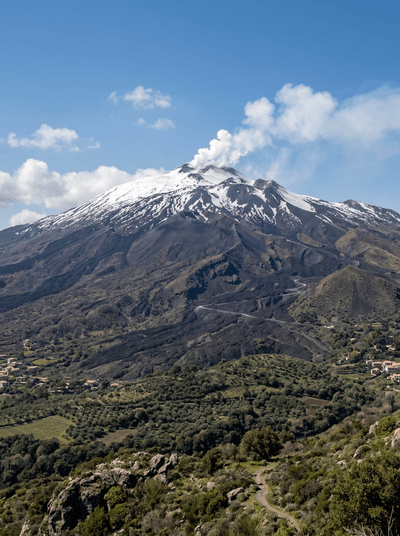
Etna
Italy
Europe's tallest active volcano, lava fields, sulphur vents, and vineyards growing in volcanic ash.
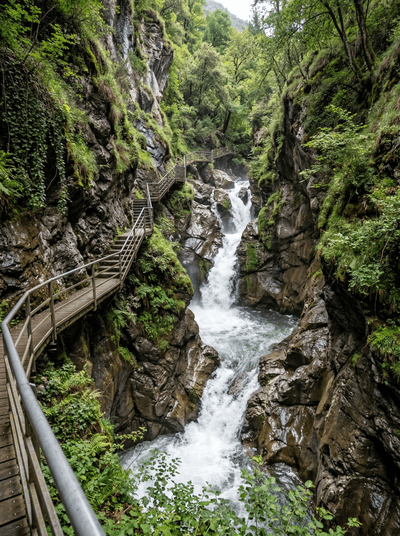
Orrido di Bellano
Italy
Catwalks bolted to the rock carry you through a slot gorge with water roaring beneath.
Castellana Grotte
Italy
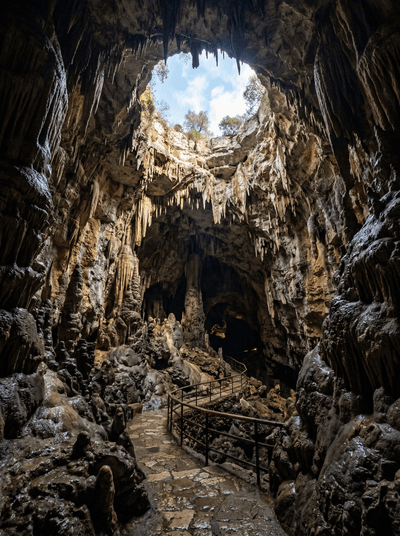
Underground caverns where a single shaft of daylight illuminates a cathedral-sized void beneath Puglia.