Kenya
Chalbi Desert
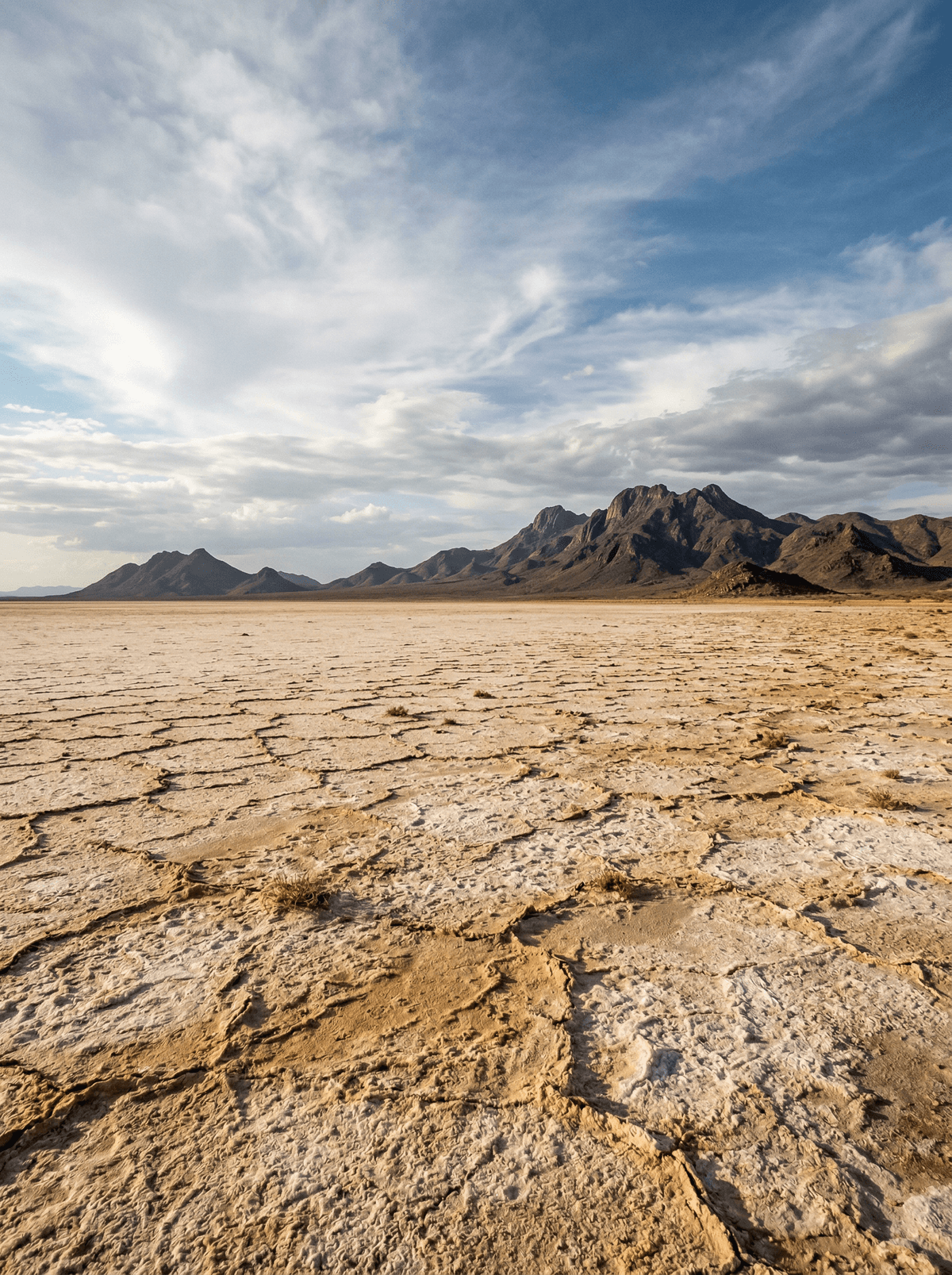
Heat mirages shimmer across a salt-crusted moonscape where Gabra nomads appear from the haze.
The salt flat runs unbroken to every horizon, cracked and white under a sun that flattens shadows by mid-morning. Dust devils spiral across the surface without warning. A line of camels appears at the edge of visibility, moving slowly through the haze — then the shimmer swallows them again.
The Chalbi is an ancient lakebed turned salt desert, running roughly a hundred kilometres between Marsabit's green mountain and the Ethiopian border country. Most of the year it is baked alkaline crust; after rare heavy rain it flashes briefly back into a shallow lake, and flamingos arrive as if summoned. Gabra and Rendille herders cross it with their camels, steering by landmarks no outsider can see, and the oasis settlement of North Horr keeps the overland route to Turkana supplied. Crossing demands a dependable 4x4, local knowledge and full self-sufficiency — no marked roads, no fuel, no shade. That arithmetic is exactly its appeal.
Solo
Travel stripped to navigation and endurance — expedition crossing measured in hours, not kilometres.
Friends
A crossing is a team sport — digging out the stuck vehicle, navigating by landmark and bearing, telling it forever after.
- An ancient lakebed turned salt flat — among the starkest landscapes in East Africa.
- Rare rains briefly refill the basin, and flamingos appear on a desert lake that vanishes again.
- Gabra and Rendille camel caravans still cross by landmarks invisible to outsiders.
- The crossing runs through Gabra country between scattered settlements — carry everything.
Camel milk is the staple of Gabra herding life — the crossing country runs on it.
Everything else rides with you: the Chalbi provides horizon, not lunch.
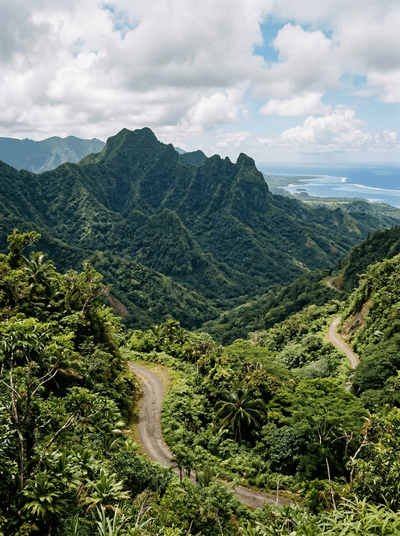
Pohnpei Highlands
Micronesia
Waterfalls spilling from cloud forest drenched by three hundred inches of rain each year.
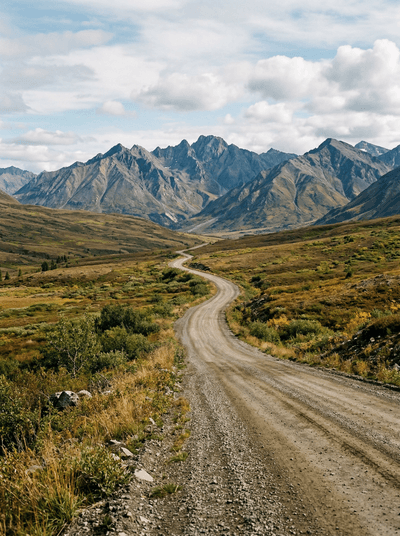
Dempster Highway
Canada
Canada's only all-season Arctic road runs 740 unpaved kilometres to the Mackenzie Delta.
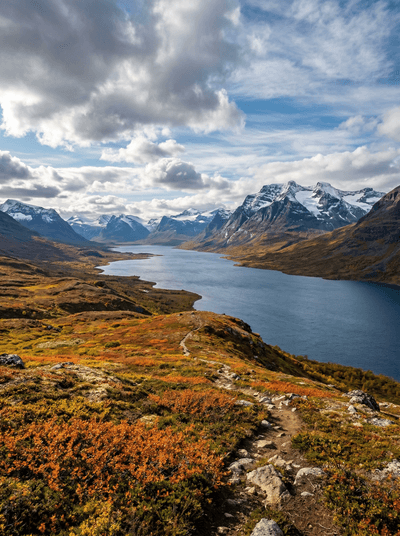
Padjelanta National Park
Sweden
Sweden's largest national park — turquoise lakes and reindeer trails older than borders.
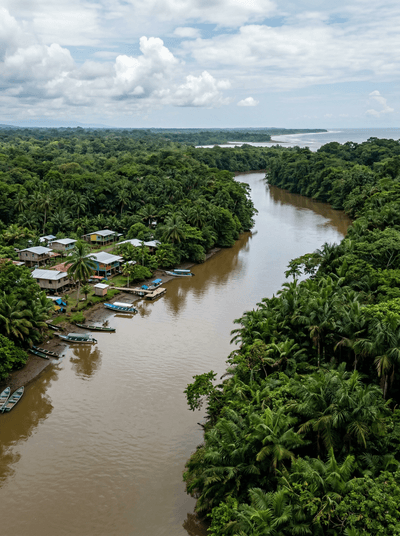
Barra del Colorado
Costa Rica
A roadless river delta where tarpon explode from chocolate-brown water and jaguars patrol the banks.
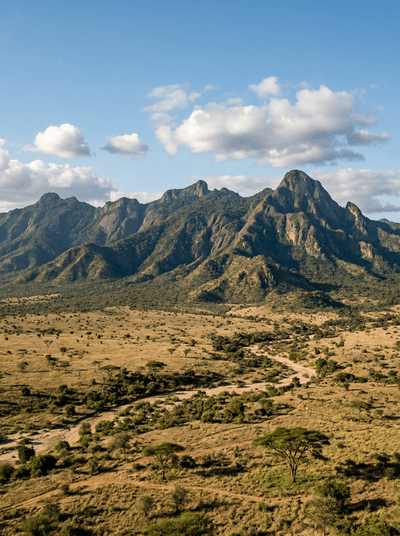
Matthews Range
Kenya
Wild elephants roam cedar forests on a remote mountain range patrolled by Samburu warriors.
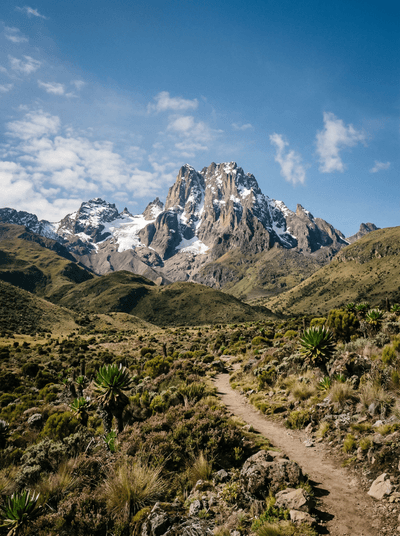
Mount Kenya
Kenya
Equatorial glaciers cling to Africa's second-highest peak above a forest of giant lobelias.
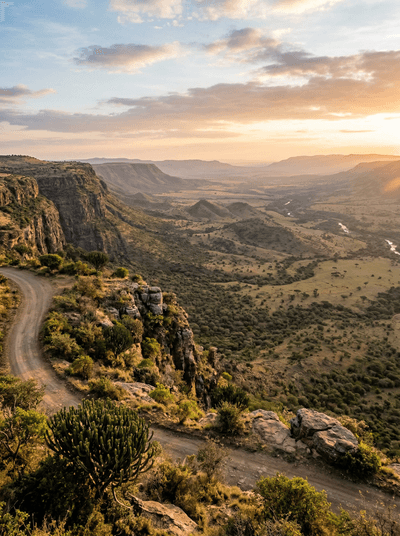
Kerio Valley
Kenya
Paragliders step off a 1,500-metre escarpment into thermals above Kenya's most dramatic valley.
Central Island
Kenya
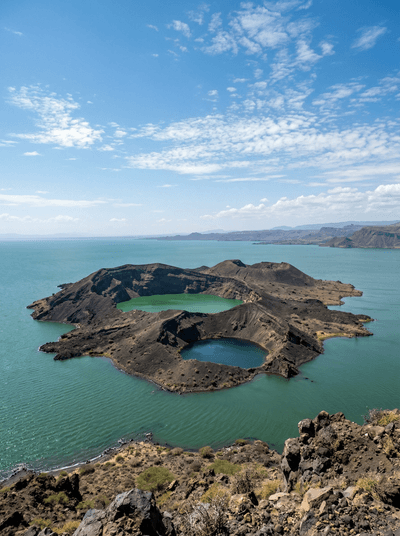
Three volcanic crater lakes in three different colours on an island ruled by Nile crocodiles.