Chile
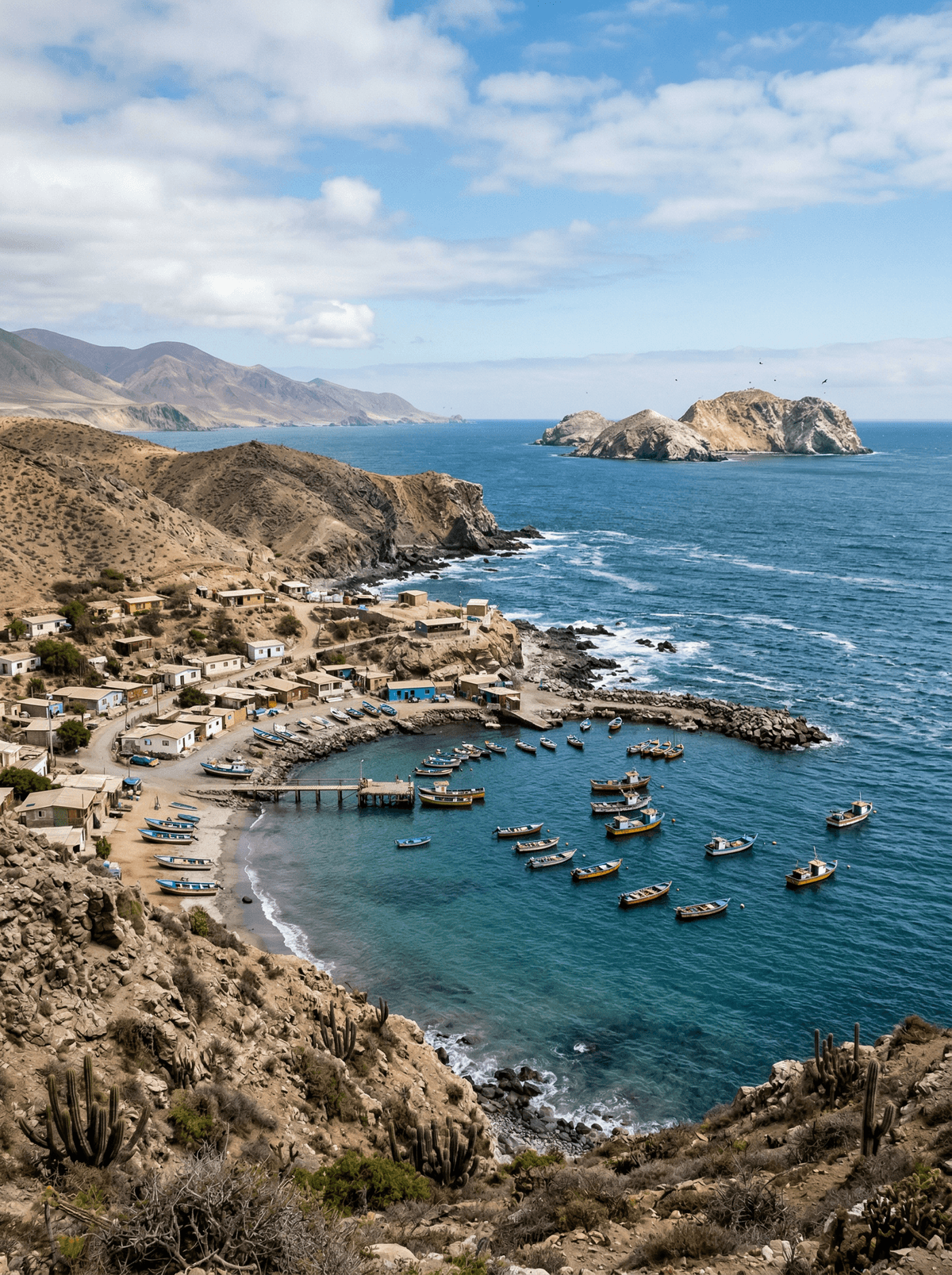
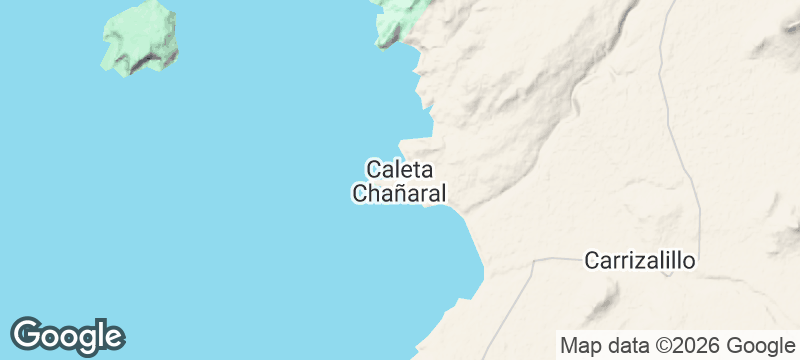
Chañaral de Aceituno
Local boats enter the Humboldt Current in search of whales, dolphins and seabirds.
The caleta shrinks behind the boat as cold water turns dark beneath the hull. A fin or flight line may appear anywhere, and sometimes the sea keeps its secrets.
Seasonal wildlife trips are run by local operators from Chañaral de Aceituno. Productive Humboldt waters support whales, dolphins and seabirds, though wind and animal movement shape each day's luck. Responsible distances and an honest no-guarantee approach are part of the attraction.
Family
A responsible local boat gives older children a marine-system lesson without promising any particular animal.
Couple
Share the uncertainty of the Humboldt Current and keep a second departure window for wind.
- Chañaral de Aceituno supports seasonal marine-wildlife trips run by local boat operators.
- Whales, dolphins and seabirds use the productive Humboldt Current, but no species can be guaranteed.
- Weather, sea state and responsible approach distances determine whether a departure runs.
The caleta's fishing families cook seafood in its small restaurants and picadas.
The official advice is simple: don't leave without trying them.
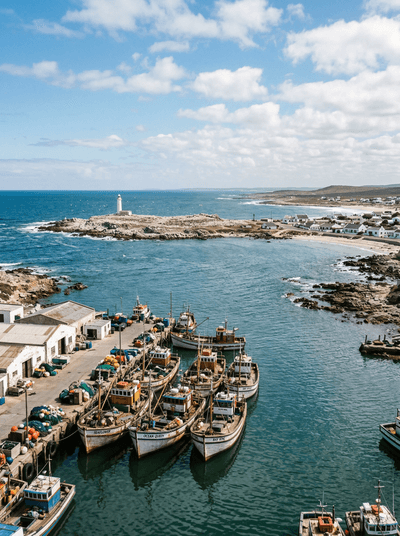
Lambert's Bay
South Africa
Thousands of Cape gannets crowd an island reached on foot from a fishing harbour.
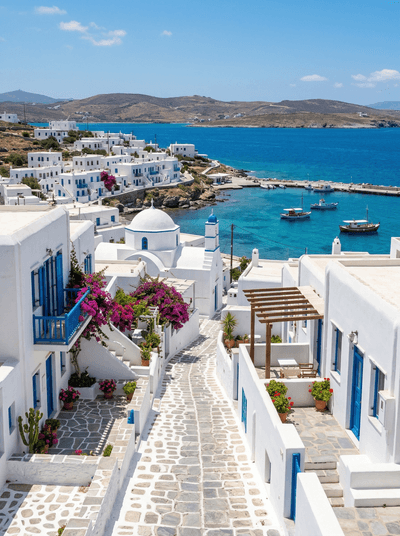
Antiparos
Greece
A cave so vast that the Marquis de Nointel held Christmas Mass inside it in 1673.
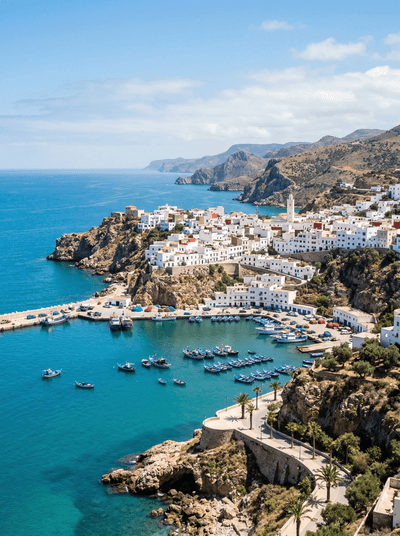
Al Hoceïma
Morocco
Ospreys fish turquoise water beneath limestone cliffs rising straight from a city beach.
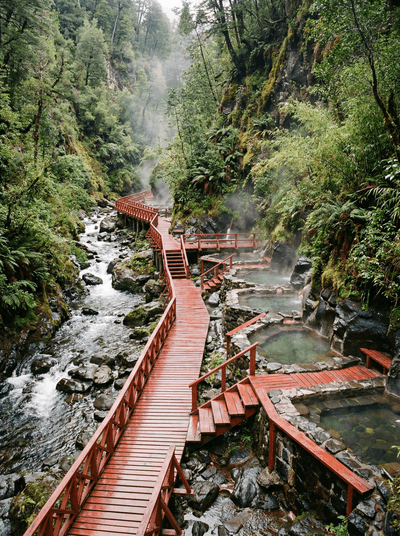
Termas Geométricas
Chile
Red walkways vanish through steam between stone pools and giant ferns.
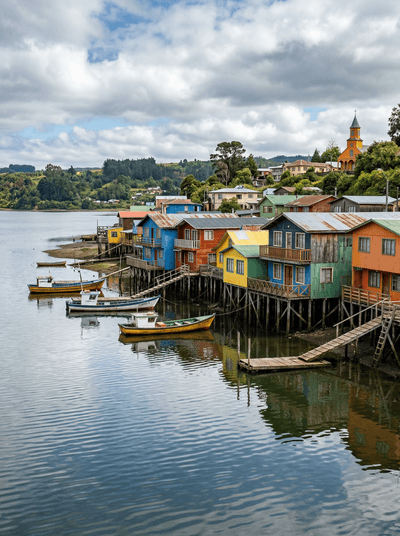
Castro
Chile
Palafitos stand over the tide while a timber church brightens Chiloé's harbour town.
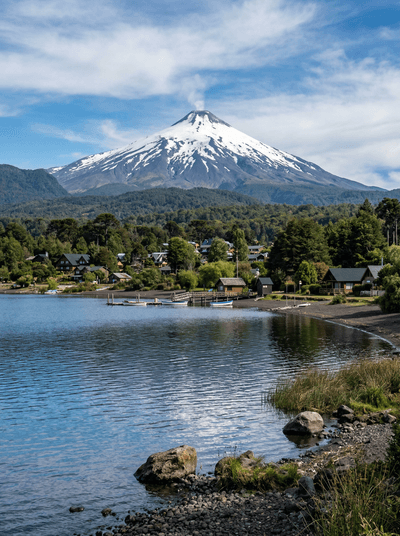
Pucón
Chile
A lakefront town wakes beneath the monitored, snow-lined cone of Villarrica.
Valdivia
Chile
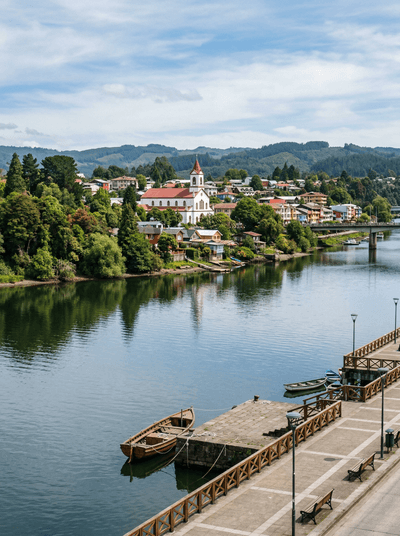
River boats, a produce market and brewing culture animate this rain-green southern city.