United States
Chiricahua
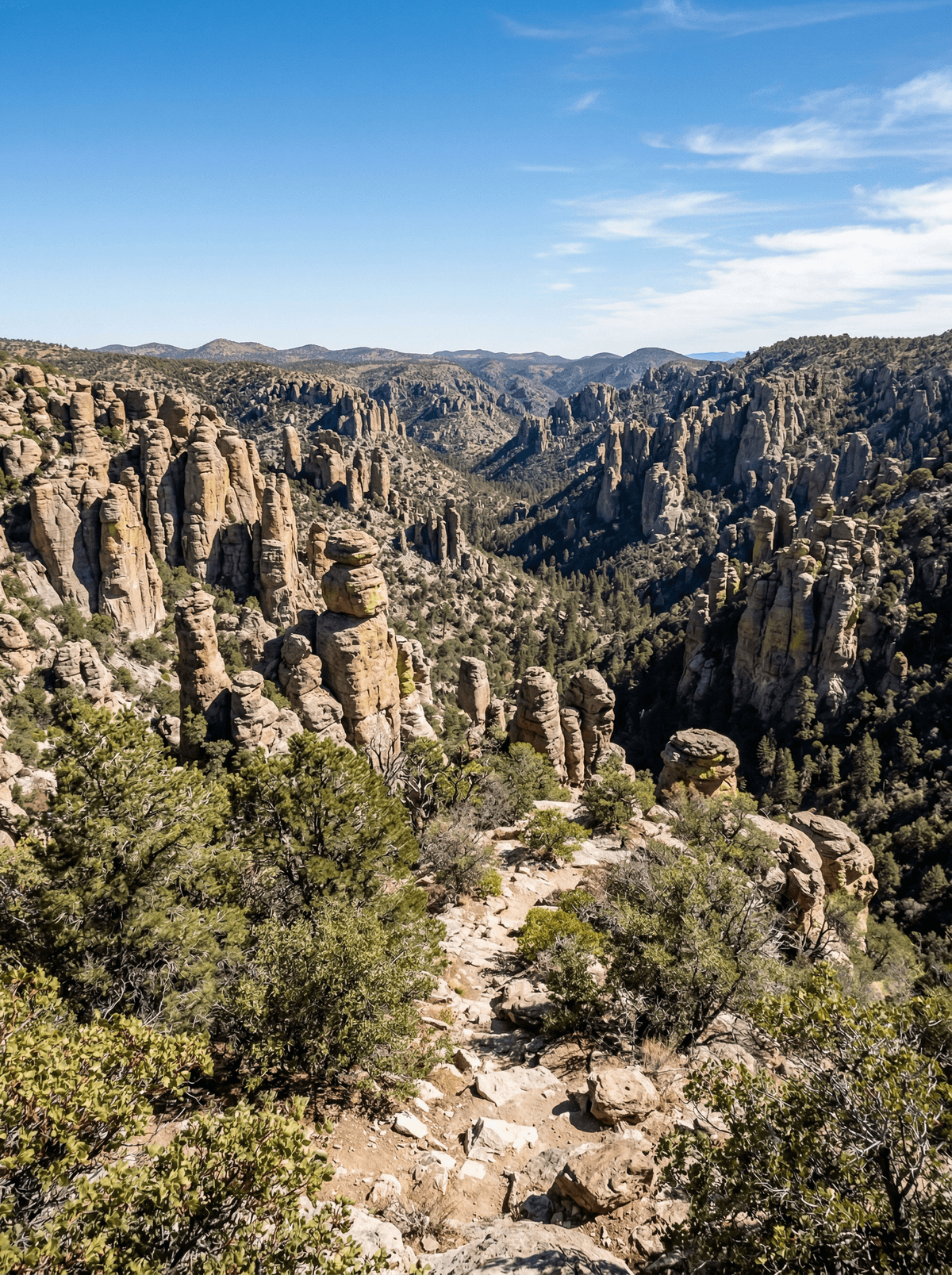
Towers of balanced rhyolite standing like silent sentinels in the Apaches' mountain stronghold.
The rhyolite columns rise in stacks that look engineered: boulders balanced on slender pedestals, ranks of pinnacles like organ pipes, walls leaning at angles that should have failed centuries ago. The hush is almost complete in this corner of Arizona that everything except geology forgot.
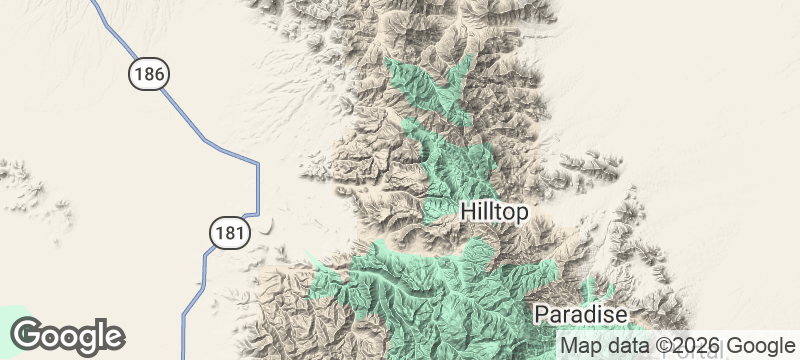
Chiricahua National Monument preserves towering rhyolite pinnacles, balanced rocks and mountain country sculpted from the ash of one colossal eruption around 27 million years ago, ash that fused to stone and then spent the ages being carved into a wonderland of rocks. The Chiricahuas are a sky island, a cool wet range marooned in desert, where species of the Sonoran lowlands and the Rockies share the same slopes and birders come from around the world hoping for an elegant trogon. This was Chiricahua Apache country, the stronghold of Cochise and later Geronimo, and the ridgeline profile called Cochise Head still watches over the monument. A paved drive climbs to Massai Point above the pinnacle forest, and the loop trails below it thread between towers with almost nobody else on the path.
Solo
Among the least-visited monuments in the Southwest, the pinnacle loops give a solo hiker hours of balanced-rock theatre with the trail to themselves.
Friends
Walk the Echo Canyon and Heart of Rocks loops together, counting improbable hoodoos, then surface in Willcox's tasting rooms before dark.
- One colossal eruption around 27 million years ago laid the ash that erosion has carved into ranks of balanced rocks and pinnacles.
- The range is a sky island where Sonoran Desert and Rocky Mountain species overlap, and elegant trogons head the birding bill.
- This was the stronghold country of the Chiricahua Apache, and the Cochise Head ridgeline still marks the horizon.
- A paved drive reaches Massai Point above the pinnacle forest, with loop trails threading the towers below.
Arizona wine in Willcox's tasting rooms, poured from vineyards grown in the same high desert valley.
Fruit and pie from the Sulphur Springs Valley's orchard stands, the farm country between the monument and the interstate.
Milford Track
New Zealand
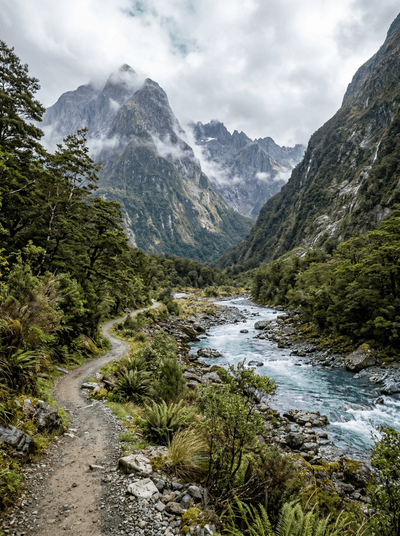
Four days through rainforest and over a pass Victorians called the world's finest walk.
Chitkul
India
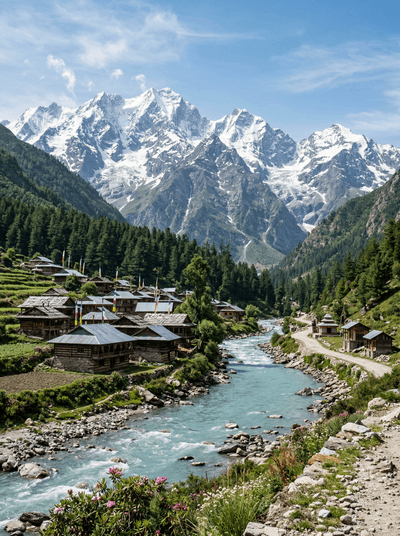
The last village before Tibet, its slate roofs weighted against winters that close the road.
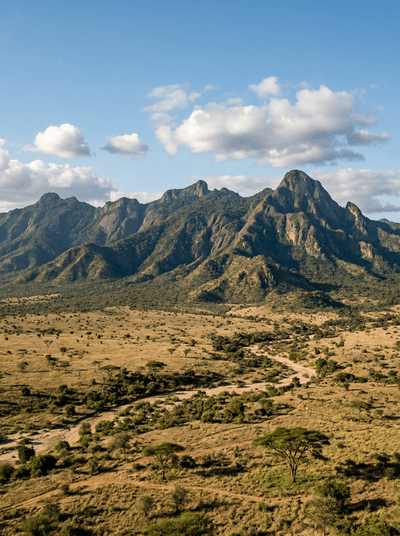
Matthews Range
Kenya
Wild elephants roam cedar forests on a remote mountain range patrolled by Samburu warriors.
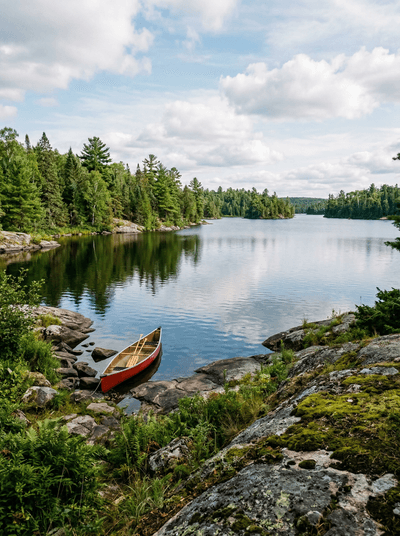
Boundary Waters
United States
Eleven hundred lakes joined by portage trails where paddles rule and wolves still howl.
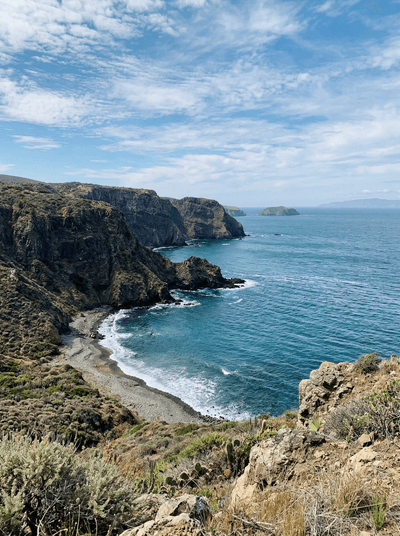
Channel Islands
United States
Five islands, no shops, no hotels, and cat-sized foxes found nowhere else on Earth.
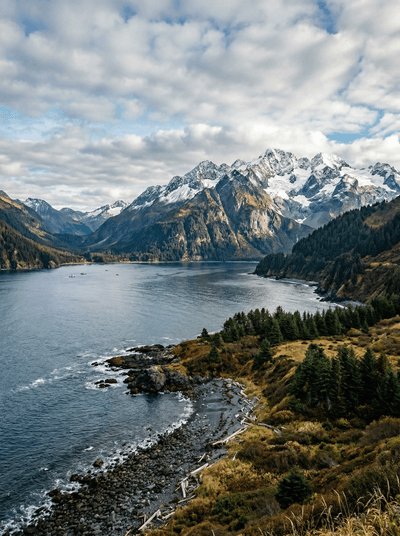
Kodiak Island
United States
The world's largest brown bears fish salmon streams on America's second-largest island.
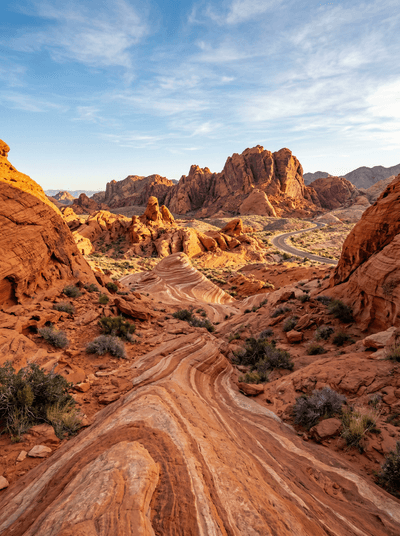
Valley of Fire
United States
Two-thousand-year-old petroglyphs baking into sandstone so red it radiates heat after dark.