United States
Valley of Fire
Two-thousand-year-old petroglyphs baking into sandstone so red it radiates heat after dark.
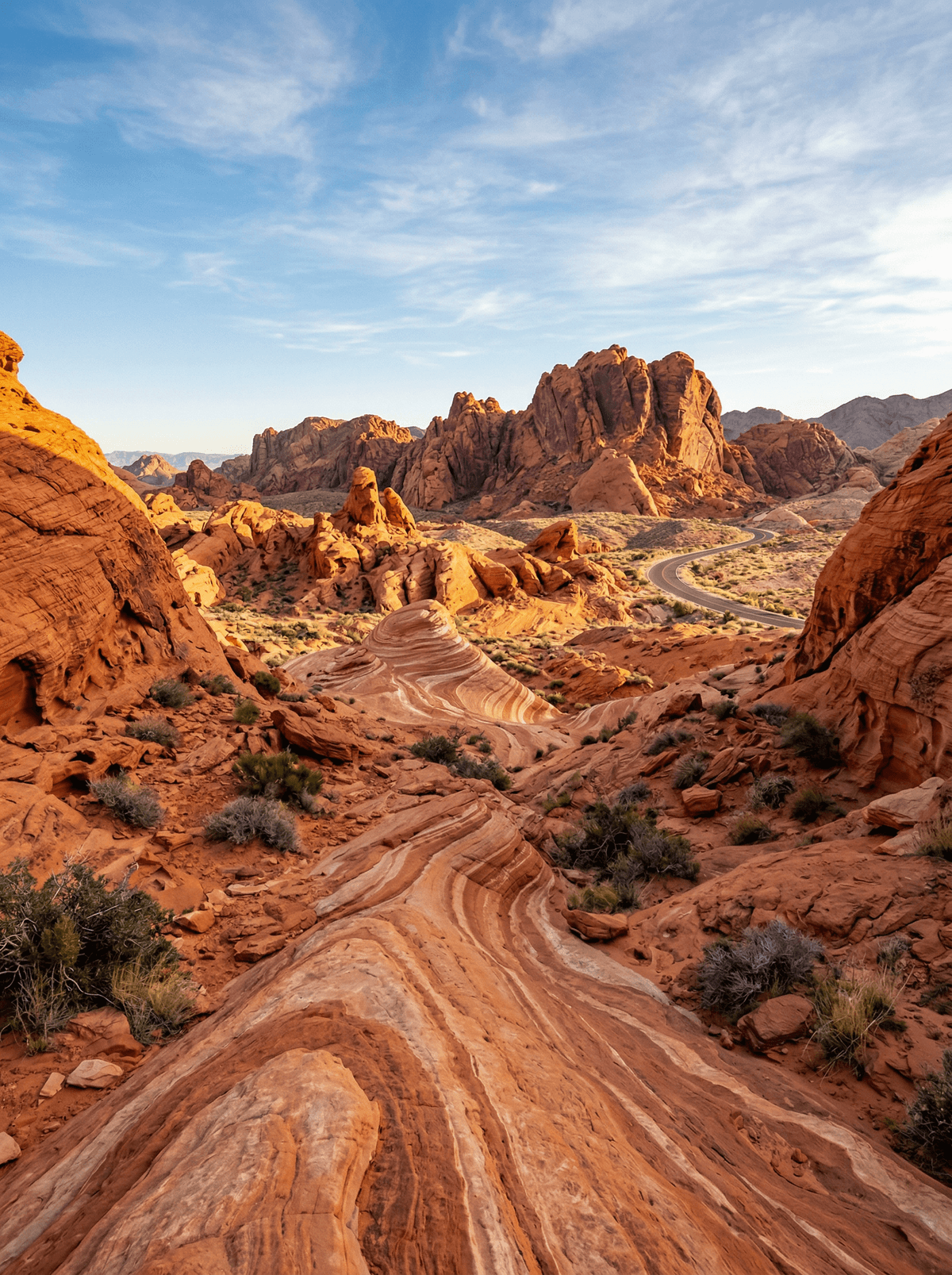
Press a palm against the red Aztec sandstone after sunset and the day's heat is still in it. Petroglyphs cut two thousand years ago watch from the walls above, and the rock swirls in bands of crimson, orange and cream vivid enough to look painted.
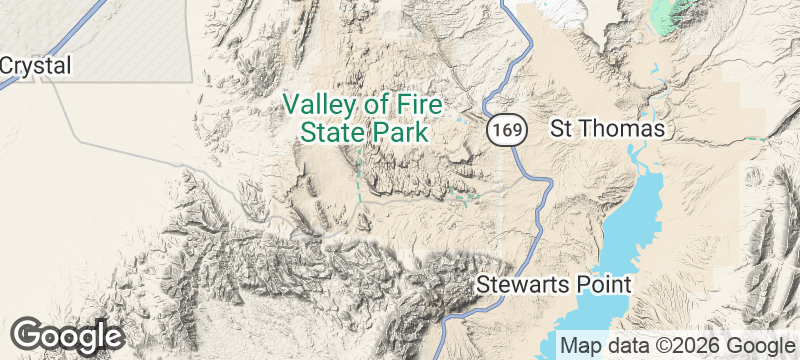
Valley of Fire, established in 1935, spreads 40,000 acres of bright red Aztec sandstone through the grey Mojave limestone an hour northeast of Las Vegas, dunes from the age of dinosaurs frozen and carved into arches, waves and pillars. People have sheltered here since deep prehistory, and the petroglyph panels, some more than two millennia old, climb walls like Atlatl Rock, where a stairway lifts you to reading distance. The Fire Wave's striped swirl and the roadside arches deliver the drama in short walks, which matters, because this desert is deadly serious about heat: the park closes several trails through the hottest months, and October to March is the true walking season, when morning light sets the sandstone alight without the furnace.
Solo
Arrive at first light in the cool months and the swirled rock, the petroglyph panels and the silence are briefly all yours.
Couple
Short trails, ancient rock art and sandstone that goes molten at golden hour make an easy, spectacular desert day out of Las Vegas.
- Petroglyph panels more than two thousand years old climb the red walls, with Atlatl Rock's stairway lifting you to reading distance.
- Forty thousand acres of red Aztec sandstone swirl through grey limestone, dune fields of the dinosaur age frozen to stone.
- The Fire Wave's candy-striped swirl is reached in a short walk, and roadside arches need barely any walk at all.
- October to March is the walking season; the park itself closes summer trails against the Mojave's lethal heat.
A cooler picnic in the shade of an arch; the park has no kitchen and the desert writes the menu rules.
Fill the cooler in Overton's markets on the way in; the shade ramadas at Atlatl Rock host the feast.
Yok Don National Park
Vietnam
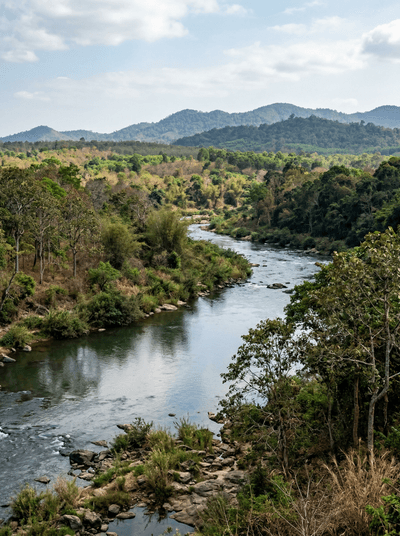
Golden dry dipterocarp forest where rescued elephants roam free and forge their own paths.

Wistman's Wood
England
Twisted ancient oaks dripping with moss in a silence so deep it hums.
The Pinnacles
Australia
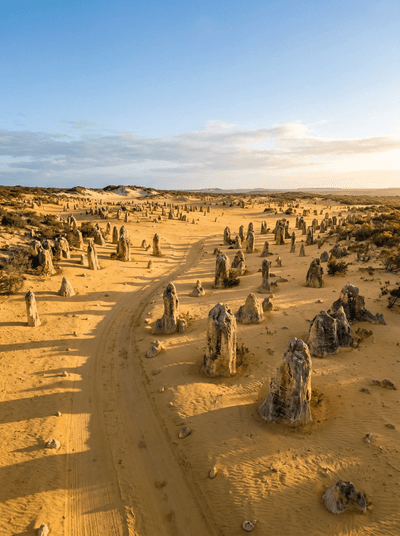
Thousands of limestone pillars cast long shadows across Nambung National Park's yellow sand.
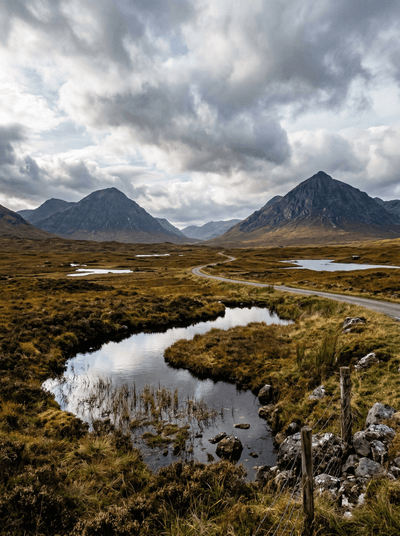
Rannoch Moor
Scotland
Fifty square miles of nothing — Britain's last emptiness, crossed by one road and one railway.
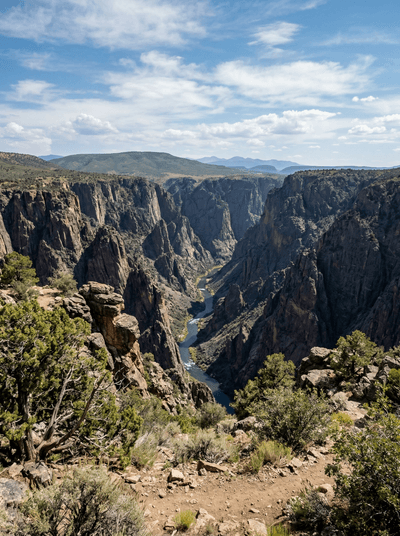
Black Canyon of the Gunnison
United States
A canyon so narrow the bottom gets only thirty-three minutes of sunlight each day.
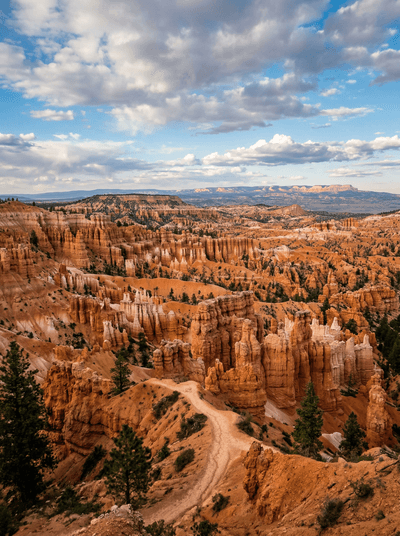
Bryce Canyon
United States
An amphitheatre of orange hoodoos so dense it looks like a forest made of stone.
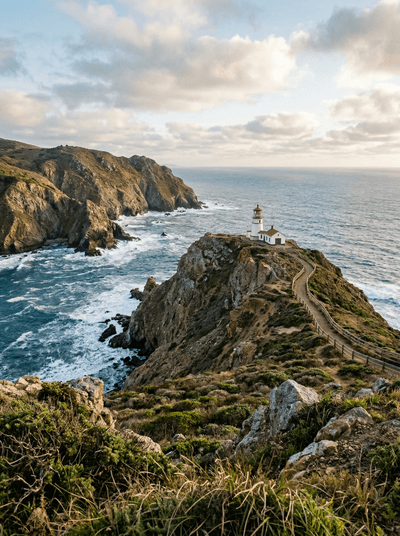
Point Reyes
United States
Fog wraps a peninsula riding a different tectonic plate, where tule elk graze above the surf.
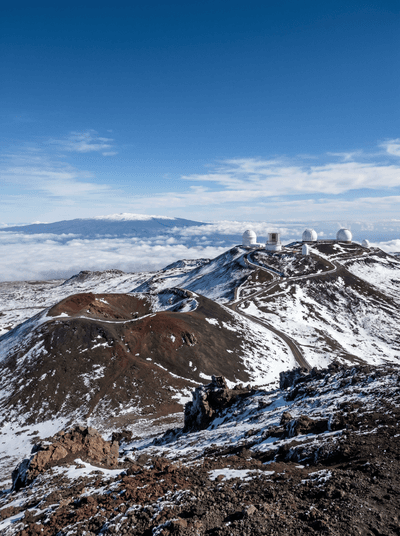
Mauna Kea
United States
A summit so sacred it was once forbidden to all but chiefs, now crowned with telescopes.