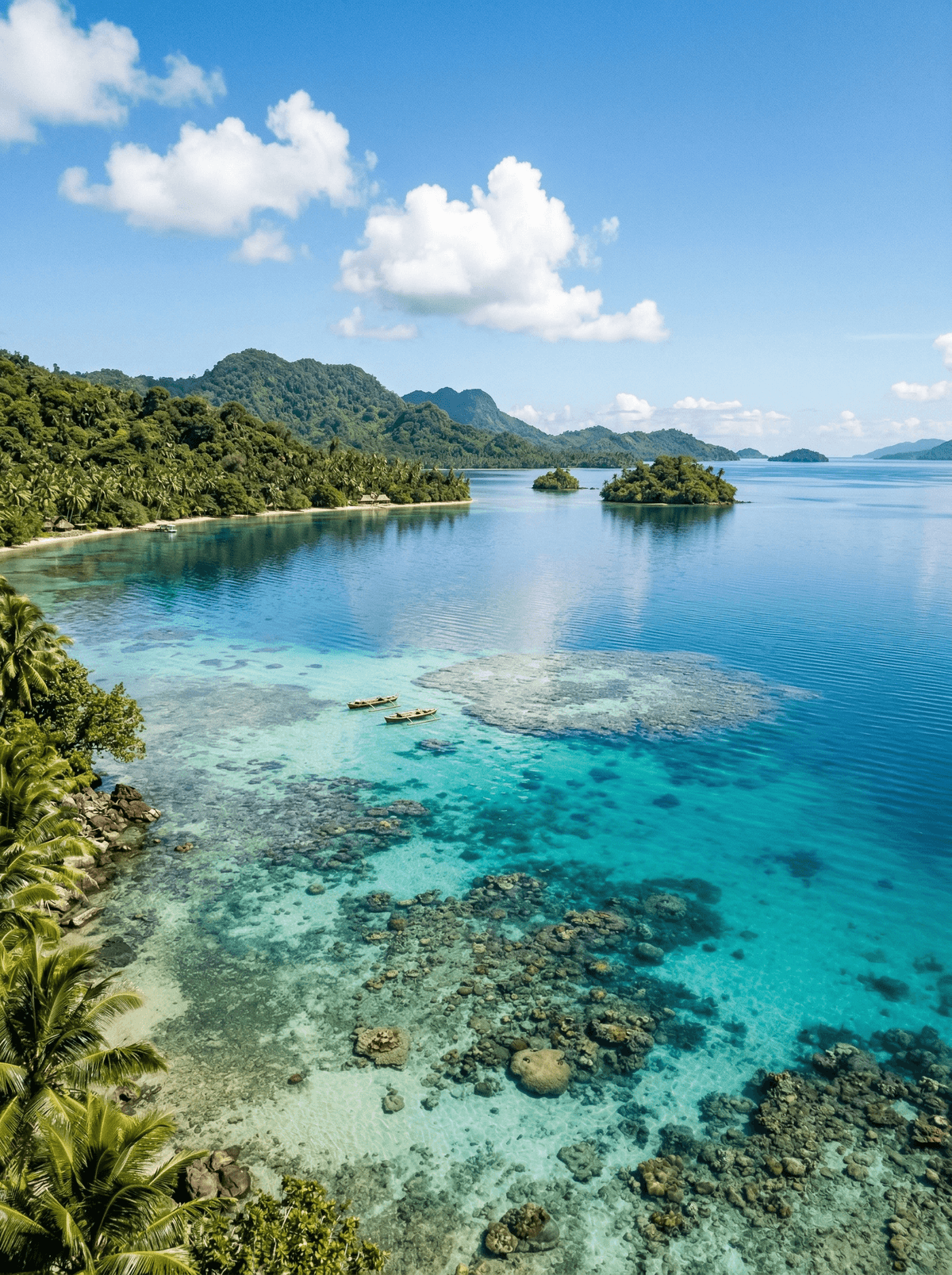
Micronesia
Chuuk Lagoon
A warm lagoon where coral grows over the deck guns of a sunken Japanese fleet.
The water is warm and the visibility long, and then you see it: the dark outline of a ship on the seabed, its deck guns wearing a mantle of coral. Chuuk Lagoon in Micronesia holds more than sixty ships of Japan's wartime fleet where they sank in February 1944, and every dive is a descent into that stopped moment.
Operation Hailstone, a two-day American carrier assault in February 1944, destroyed more than sixty ships and hundreds of aircraft inside this sheltered atoll. The holds still carry what a fleet at anchor needed: trucks, light tanks, mines, ammunition, medicine and disassembled Zero fighters, stowed where the crews left them. Many of those crews never left, so the wrecks are war graves as much as dive sites, protected as a monument under Chuuk law; every dive runs on a permit arranged through a licensed dive shop, always with a certified guide. Depths span ten metres to beyond sixty, which means recreational divers work coral-softened superstructures while technical teams plan the deep hulls, and everything stays exactly where it rests.
Solo
Solo divers slot easily into an established Weno dive operation, sharing boats and surface intervals while a certified guide sets the route through each wreck.
Couple
A dive-qualified couple can pace a week between shallow, coral-covered decks and quiet lagoon evenings ashore, with no two days spent on the same ship.
Friends
Qualified friends can log wreck after wreck without repeating one, then argue over the details each evening with grilled fish and breadfruit on Weno.
- Operation Hailstone destroyed more than sixty ships and hundreds of aircraft here in two days of February 1944.
- Cargo holds still carry trucks, tanks, mines, medicine and Zero fighter fuselages, left where they were stowed.
- Chuuk law protects the wrecks as a monument: every dive runs on a permit through a licensed dive shop with a certified guide.
- Wrecks lie between ten and more than sixty metres, so recreational divers and technical teams each have a full programme.
Coconut crab is the delicacy Chuuk's own visitors bureau says not to miss; order it fresh on Weno.
Zion's Food Haus on Weno cooks Chuukese food: grilled fresh-landed fish, coconut worked through everything.
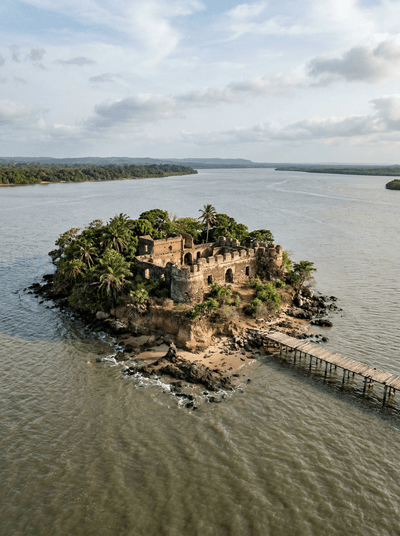
Kunta Kinteh Island
Gambia
The last piece of Africa many captives ever saw, and the river is taking it back.
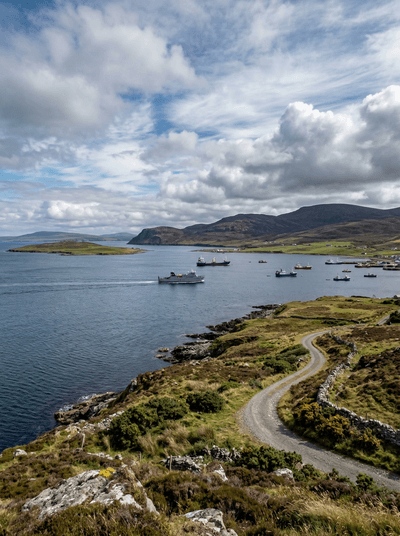
Scapa Flow
Scotland
The seabed holds a German navy, scuttled in 1919 — divers swim through drowned battleships.
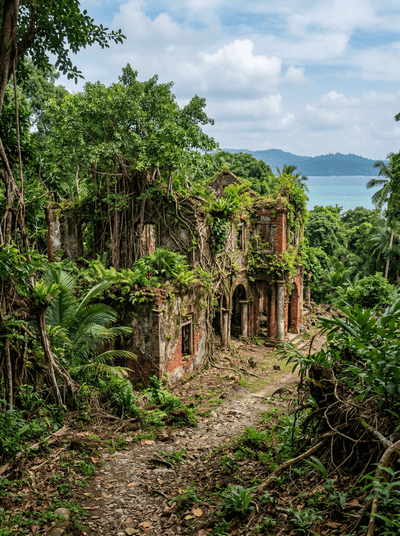
Netaji Subhas Chandra Bose Island (Ross Island)
India
A British colonial headquarters slowly being digested by ficus roots in the Andaman Sea.
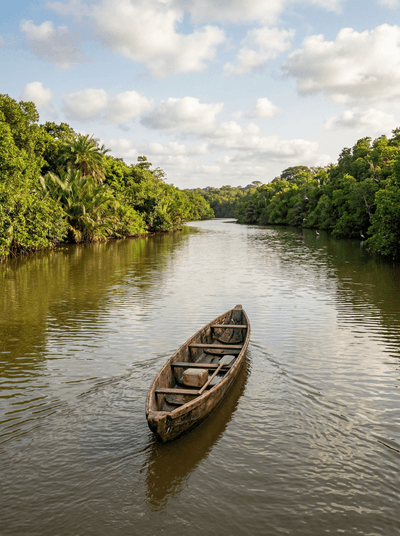
River Gambia Boat Journey
Gambia
Follow the brown river inland until hippos breathe beside the boat, as Mungo Park did.
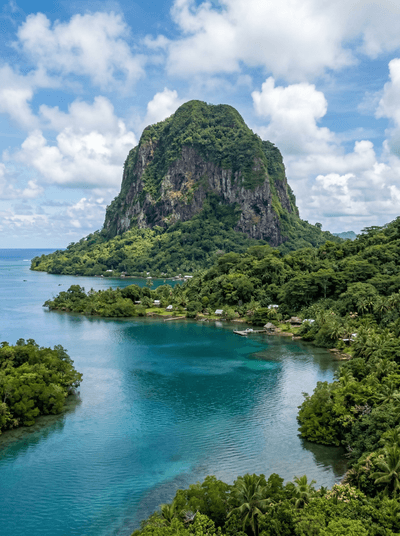
Sokehs Rock
Micronesia
A magician's stone plugged a geyser here, says legend; the climb is bare basalt and rope.
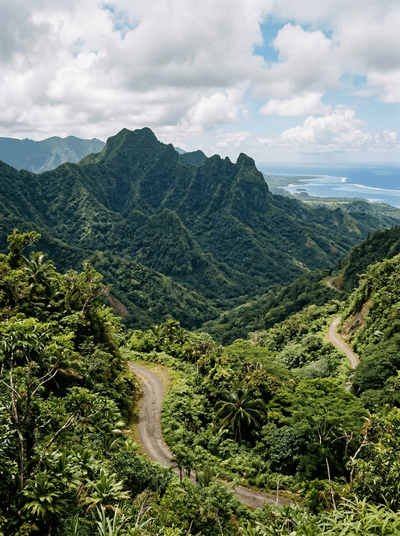
Pohnpei Highlands
Micronesia
Waterfalls spilling from cloud forest drenched by three hundred inches of rain each year.
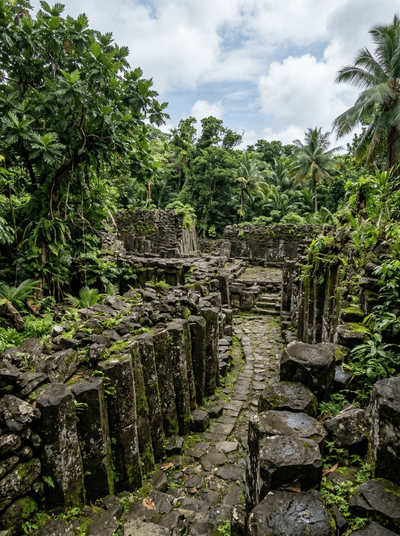
Lelu Ruins
Micronesia
Basalt walls of an ancient island kingdom rise from the jungle, royal tombs still inside.
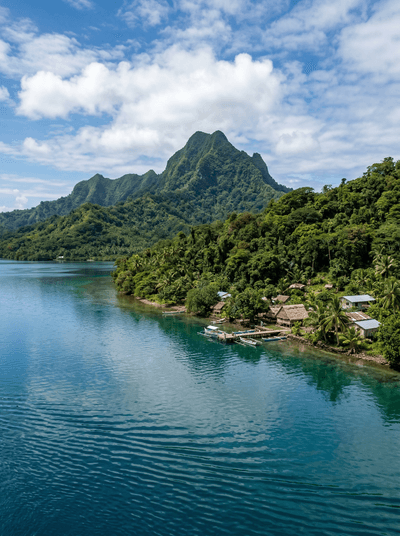
Tonowas
Micronesia
Jungle swallows the headquarters of Japan's Fourth Fleet: tunnels, guns and a bomb-proof command bunker.