Chile
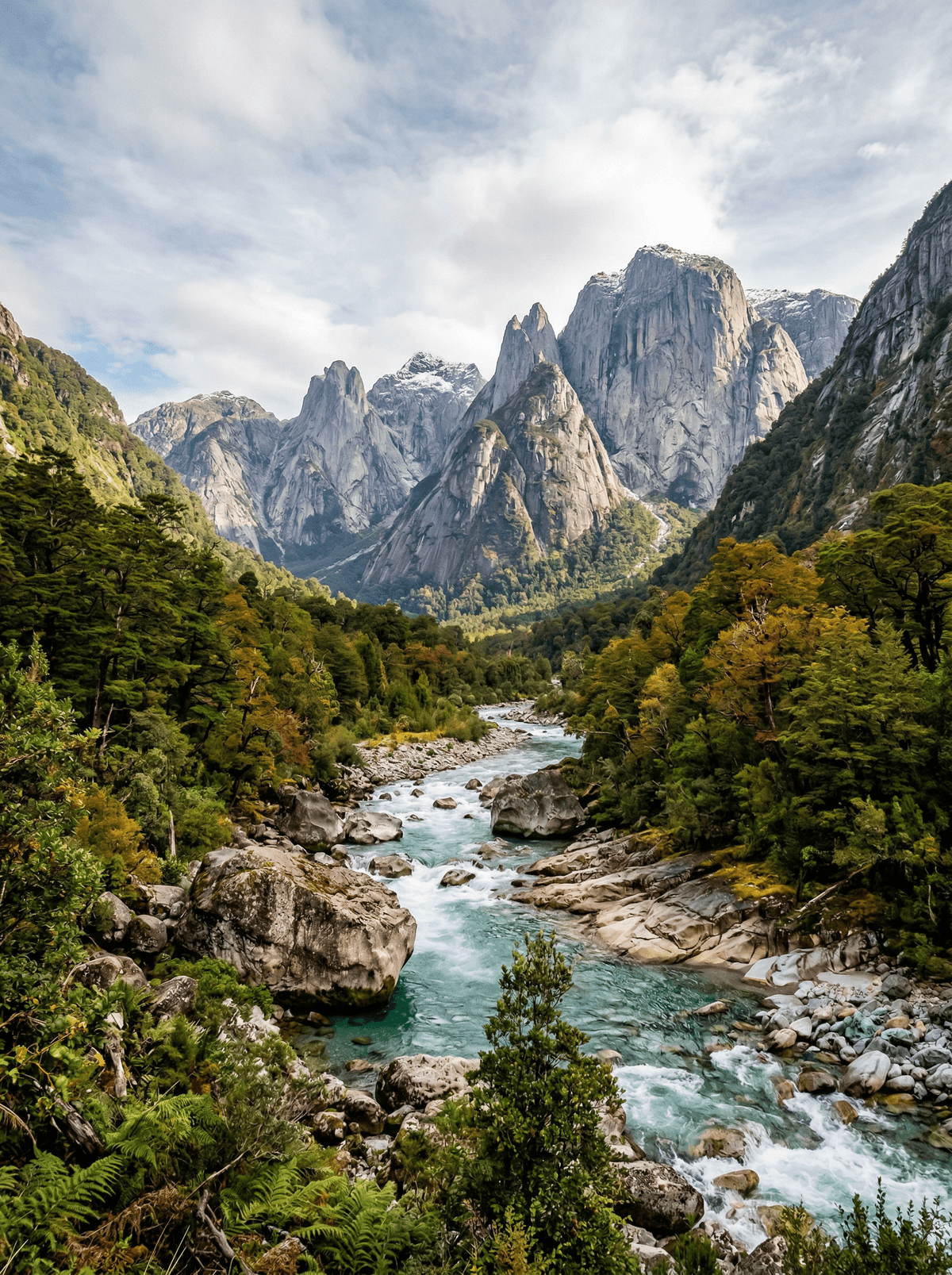
Cochamó Valley
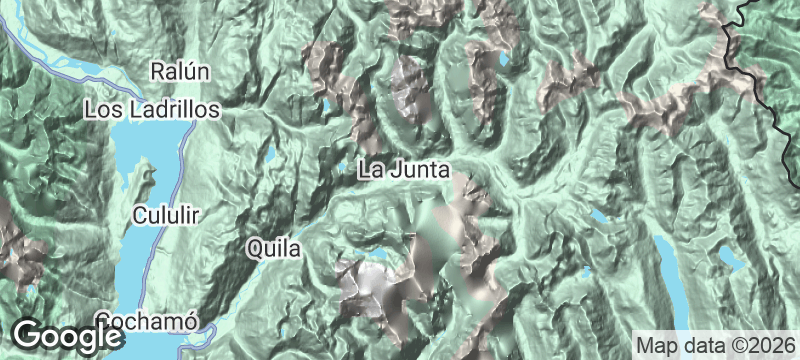
Granite walls rise from temperate forest beyond the long trail to La Junta.
The path follows river and pasture before sheer pale rock begins to close the horizon. By La Junta, waterfalls thread the walls above the forest.
Cochamó rewards effort before spectacle: a long approach leads into a protected valley used by hikers and climbers. Camping and access arrangements limit pressure on La Junta and must be made in advance. The granite needs no borrowed Yosemite comparison when the river, forest and walls are experienced together.
Solo
La Junta rewards an early independent approach only after camping and access have been arranged.
Friends
Climbers and hikers can walk in together, then pursue different authorised days from the valley.
- Cochamó’s granite walls and temperate forest are reached by a long approach trail into the La Junta sector.
- Camping and access arrangements are managed to protect the valley, making advance planning part of the trip.
- The landscape rewards hikers and climbers without needing exaggerated comparisons with Yosemite.
The valley has no restaurants at all; the La Junta refugio cooks vegetarian meals and homemade pizzas for those who booked.
Everything else walks in on your back and is cooked in the communal kitchen.
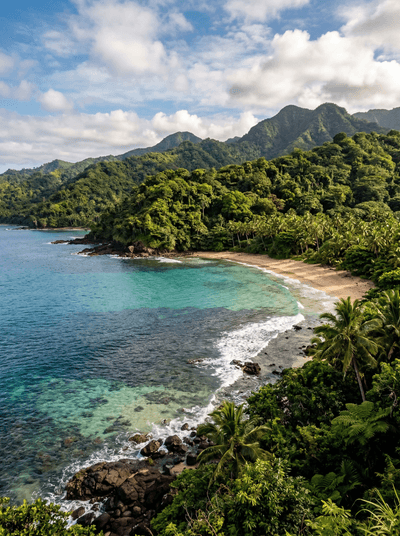
Taveuni
Fiji
Stand astride the 180th meridian in rainforest, one foot in today, one in yesterday.
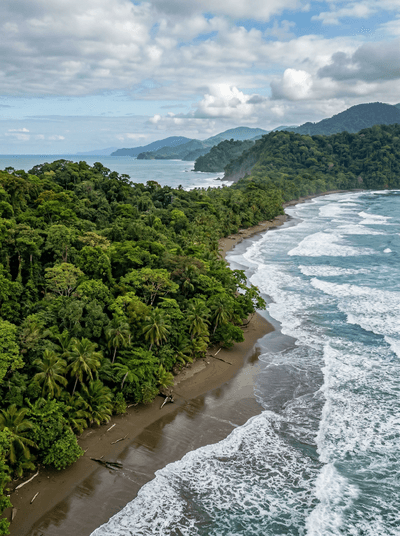
Corcovado National Park
Costa Rica
National Geographic called it the most biologically intense place on Earth. They undersold it.
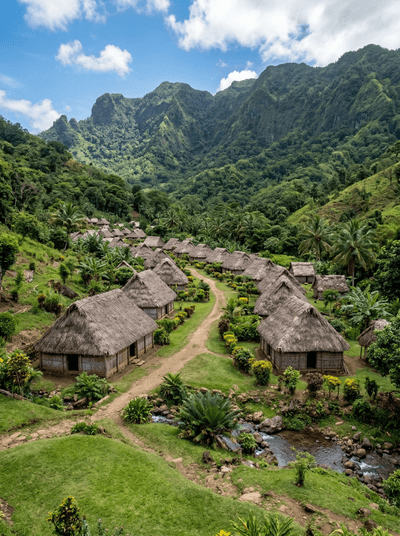
Navala Village
Fiji
Two hundred thatched bures, all built the same size, climb a valley above the Ba River.
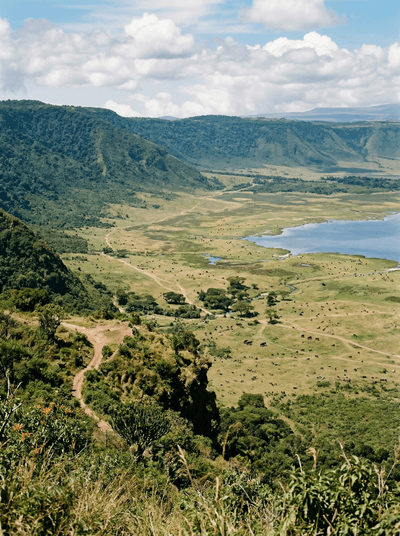
Ngorongoro Crater
Tanzania
A collapsed volcano holds its own weather, its own herds, and Maasai cattle besides.
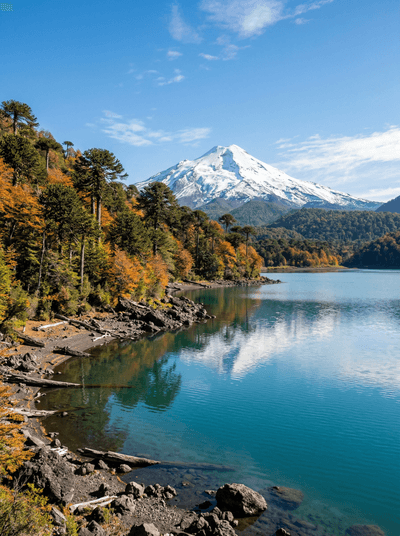
Parque Nacional Conguillío
Chile
Araucaria crowns stand over black lava and clear lakes beneath Volcán Llaima.
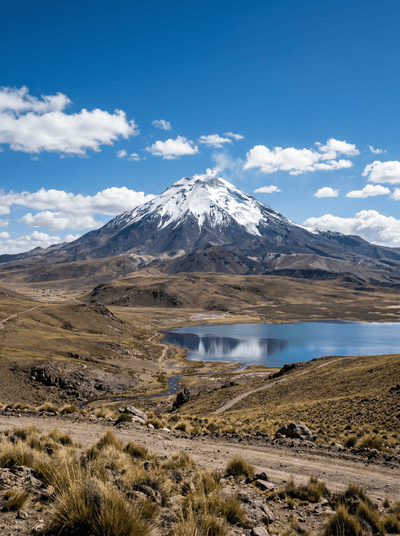
Parque Nacional Volcán Isluga
Chile
Volcanic horizons and high wetlands surround living Aymara settlements in the altiplano.
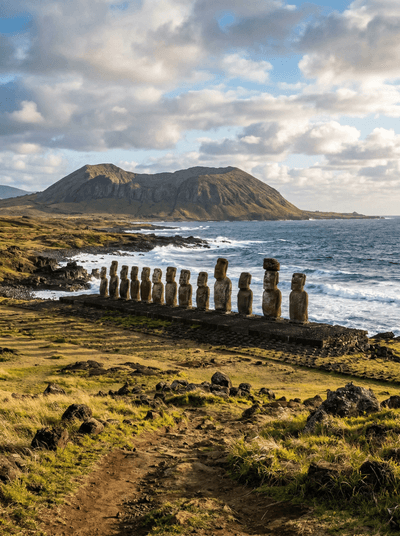
Rapa Nui (Easter Island)
Chile
Moai, grassed craters and a living Polynesian culture meet in the open Pacific.
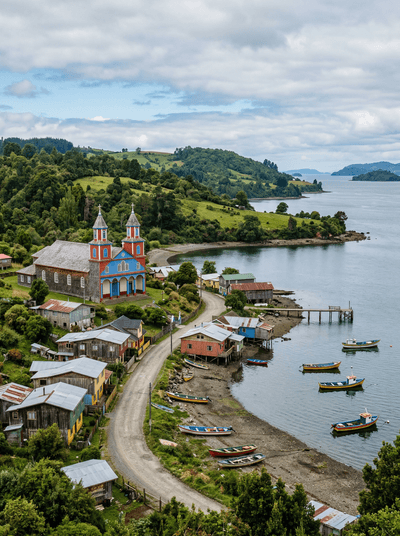
Isla Chiloé (Tenaún)
Chile
Three timber towers rise above a quiet Chilote waterfront.