
France
Forêt de Fontainebleau
Sandstone boulders erupting from an ancient forest floor where climbers outnumber the deer.
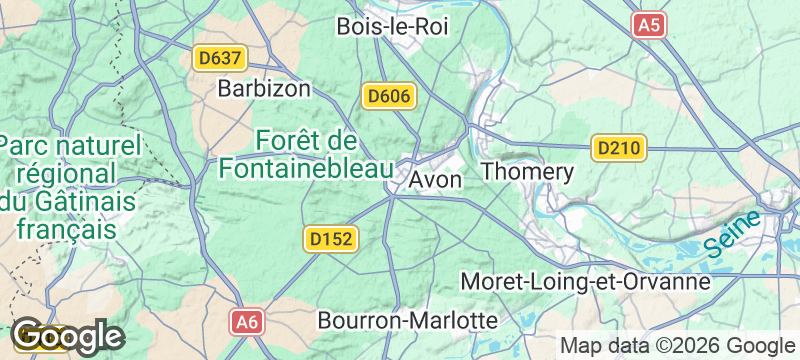
The boulders erupt out of the forest floor in sandstone clusters — some the size of houses, nearly all of them climbable — scattered through tens of thousands of hectares of oak, beech and pine that begin an hour south of Paris. Fontainebleau is France's bouldering playground, a painters' forest and a royal hunting ground layered on top of one another under the same canopy.
The forest of Fontainebleau is the green lung of the Île-de-France, a massif of superlatives and exceptions in the words of the foresters who manage it, and its sandstone — the rounded, gritty boulders left standing in the sand — made it the birthplace of bouldering: thousands of climbing problems, no ropes, marked out in colour-coded circuits from children's to expert, so that a family and a hardened climber work the same rocks. The Barbizon painters got here first — Corot, Millet and Rousseau painted these trees and rocks in the open air in the 1830s, and Millet's studio in Barbizon is a museum. Trails run from flat strolls to full-day walks, and the château at the forest's edge, a royal residence for centuries and a World Heritage site, is the second reason to come. The forest office closes sectors after fire or storm; check before you set out.
Solo
A crash pad, a pair of shoes and a circuit guide — the boulders are made for solo sessions, each problem a puzzle for hands and feet. The forest between the rocks adds walking and stillness to the climbing days.
Friends
The circuits are social by design — one climbs while the others spot, coach and heckle. Brie and a baguette on the rocks between problems is the Fontainebleau lunch tradition, and it works.
- Sandstone boulders scattered across the forest floor form the birthplace of bouldering — thousands of problems, no ropes needed.
- The forest was the Barbizon painters' outdoor studio — Corot, Millet and Rousseau all worked beneath these canopies.
- Tens of thousands of hectares of oak, beech and pine surround the royal château — trails run from flat strolls to full-day hikes.
- The bouldering circuits are colour-coded by difficulty — families, beginners and experts climb the same formations.
Brie de Meaux — raw-milk, runny-centred — with a baguette on a boulder between climbs.
Le fontainebleau — the town's own dessert of whipped fresh cheese and cream, sold in muslin at the market, eaten with sugar.
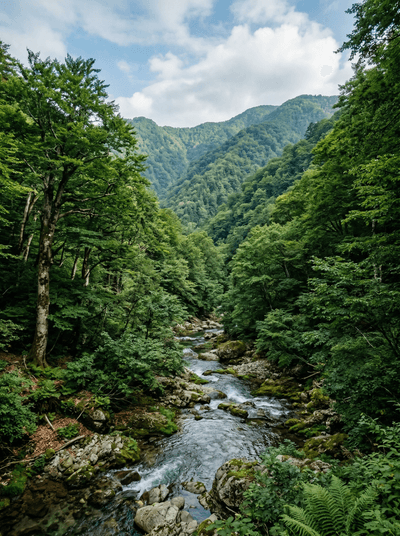
Shirakami-Sanchi
Japan
The last virgin beech forest in Japan, where the floor lives in permanent twilight.
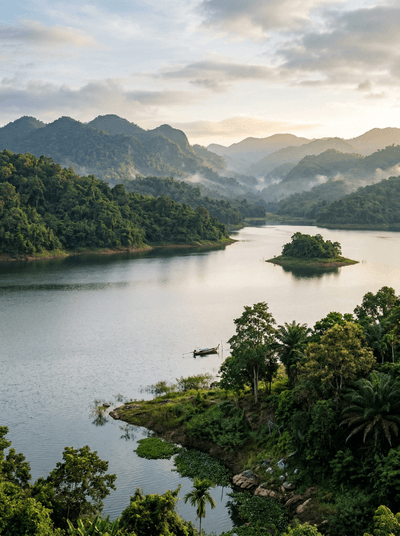
Kaeng Krachan
Thailand
A sea of mist rolling over endless jungle canopy where leopards and black bears roam.
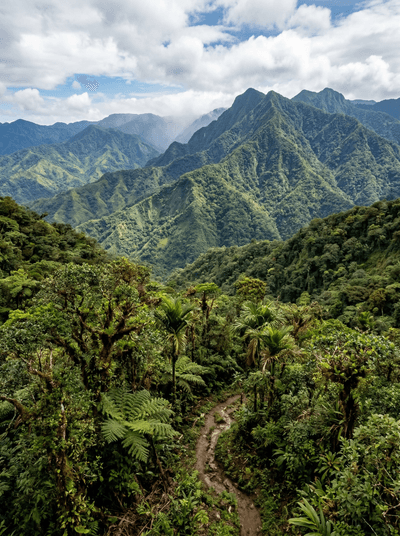
La Amistad International Park
Costa Rica
A borderless wilderness where North and South America's wildlife met — and never left.
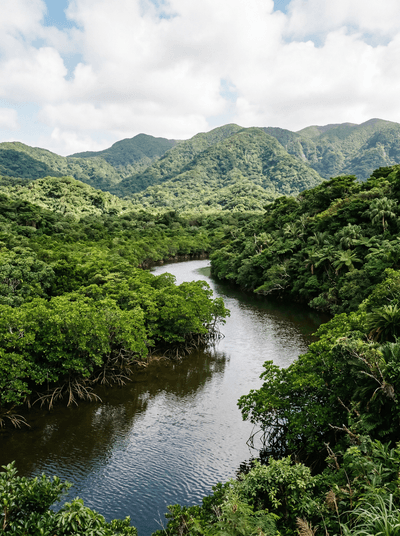
Iriomote
Japan
A jungle island where the wildcat skulks, rivers run through mangroves and no road crosses inland.
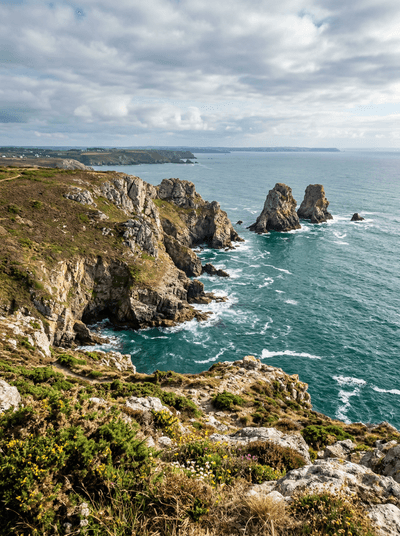
Presqu'île de Crozon
France
Sea stacks and hidden coves on a windswept peninsula where the Atlantic chews the rock raw.
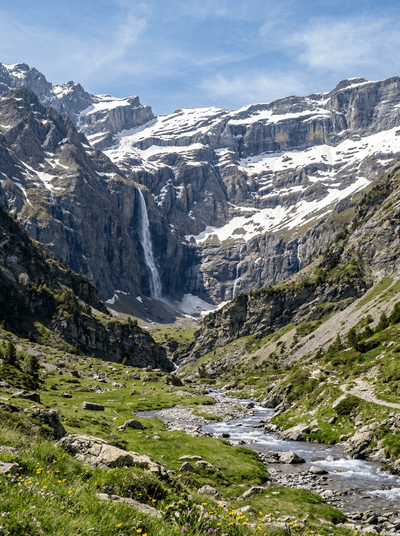
Cirque de Gavarnie
France
A rock amphitheatre where the tallest waterfall in France drops into freezing mist.
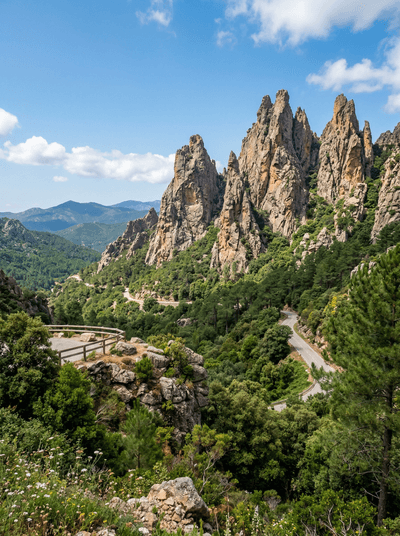
Bavella Needles
France
Red granite spires piercing the Laricio pine canopy like a mountain range losing its temper.
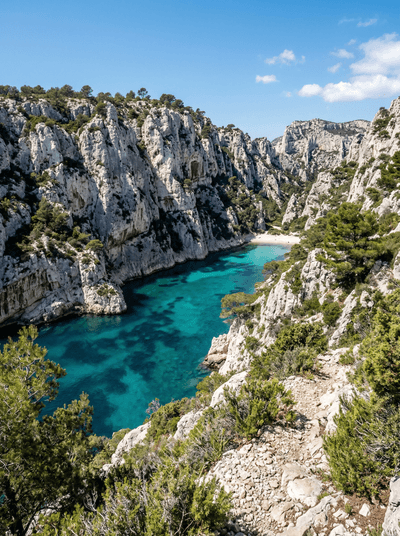
Les Calanques de Marseille
France
Jagged white inlets slicing into the coast like fjords filled with Mediterranean turquoise.