
Costa Rica
La Amistad International Park
A borderless wilderness where North and South America's wildlife met — and never left.
The path melts into root and mud within an hour. Cloud forest gives way to elfin woodland, then mossy ridgelines where trees shrink to shoulder height and the wind smells of wet earth from a valley you cannot see. La Amistad stretches across the Talamanca range into Panama — friendship written across a border in forest.
La Amistad — 'friendship' — is a single protected wilderness of 570,045 hectares shared by Costa Rica and Panama, covering the highest and wildest non-volcanic mountains in Central America. UNESCO inscribed it in 1983 for what happened here: this is the land bridge where the fauna and flora of North and South America met and interbred, and no other protected area in the region spans anything like its altitudinal sweep — lowland rainforest up to glacier-carved high country, cirques and ice-cut valleys found nowhere else nearby. Endemism runs extraordinarily high, and indigenous peoples — Bribri, Cabécar, Ngäbe and Teribe — have lived in and beside these mountains for millennia. Access points are few, infrastructure minimal, and self-sufficiency is the entry fee.
Solo
For the experienced and self-sufficient, the reward is remote high country, lightly visited and long inhabited — homeland of living Indigenous peoples.
Friends
Multi-day treks demand teamwork — river crossings, route-finding, camp craft in cloud forest — and the shared challenge cements a group.
- 570,045 hectares across two countries — the highest, wildest non-volcanic range in Central America.
- This is the land bridge where North and South America's flora and fauna met and interbred.
- Glacial cirques and ice-carved valleys mark the high country, with no equal anywhere in the region.
- Access is minimal and self-sufficiency mandatory — treks here are expeditions, not walks.
Olla de carne in a Buenos Aires soda — slow beef, corn and root vegetables after the park road.
Tamales wrapped in banana leaves, unwrapped steaming, Brunca-country style.
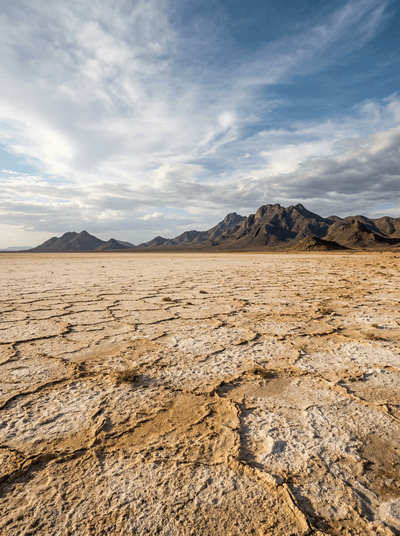
Chalbi Desert
Kenya
Heat mirages shimmer across a salt-crusted moonscape where Gabra nomads appear from the haze.
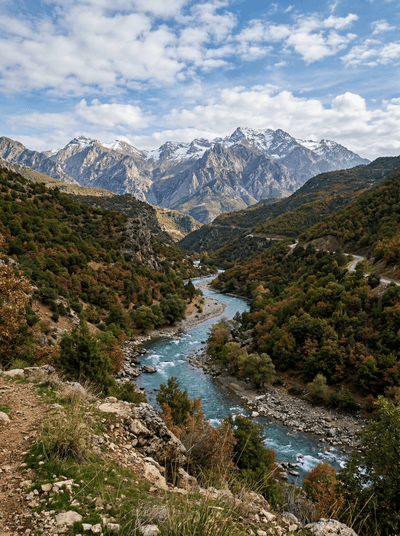
Munzur Valley
Turkey
Crystalline springs feeding ice-blue pools in a gorge where brown bears still roam undisturbed.
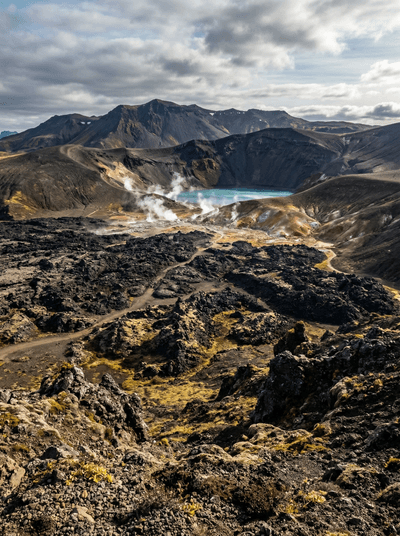
Krafla
Iceland
Boiling mud pots and steaming lava fields that still radiate heat decades after erupting.
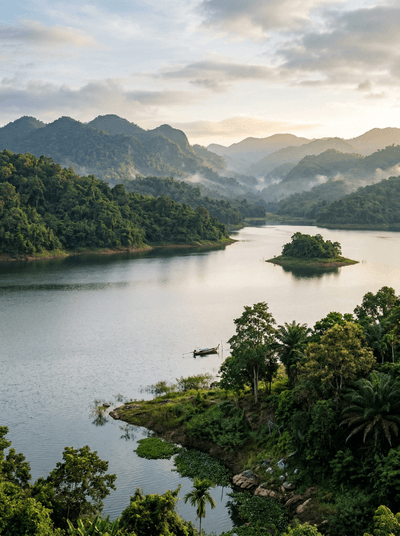
Kaeng Krachan
Thailand
A sea of mist rolling over endless jungle canopy where leopards and black bears roam.
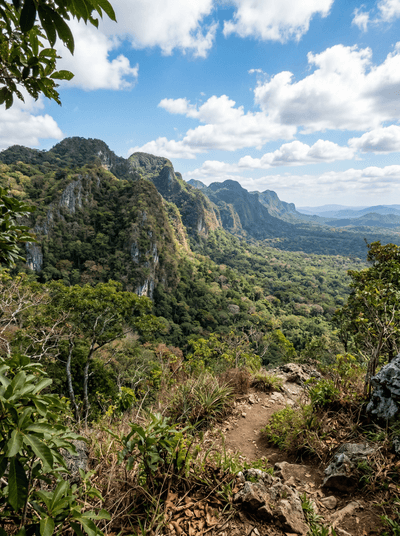
Barra Honda National Park
Costa Rica
Descend by ladder and harness beneath a hill of ancient coral to stalactites gleaming by headlamp.
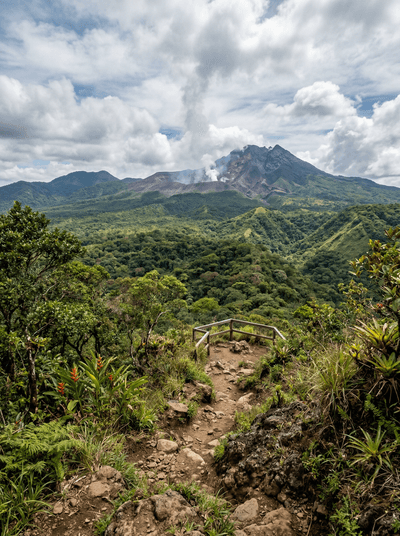
Rincón de la Vieja
Costa Rica
Volcanic mud pots belch and bubble through dry tropical forest like the earth digesting itself.
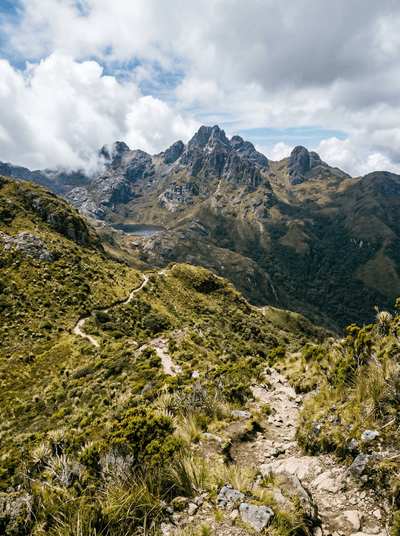
Chirripó National Park
Costa Rica
From Costa Rica's rooftop on a clear morning, the Pacific and Caribbean both lie below.
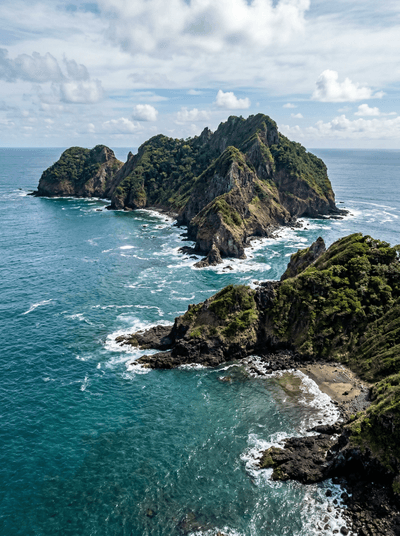
Islas Murciélago
Costa Rica
Descend into dark Pacific water where bull sharks circle — their territory, your privilege.