Fiji
Gau Island
The Fiji petrel is seen only on Gau, a seabird whose nest science has never found.
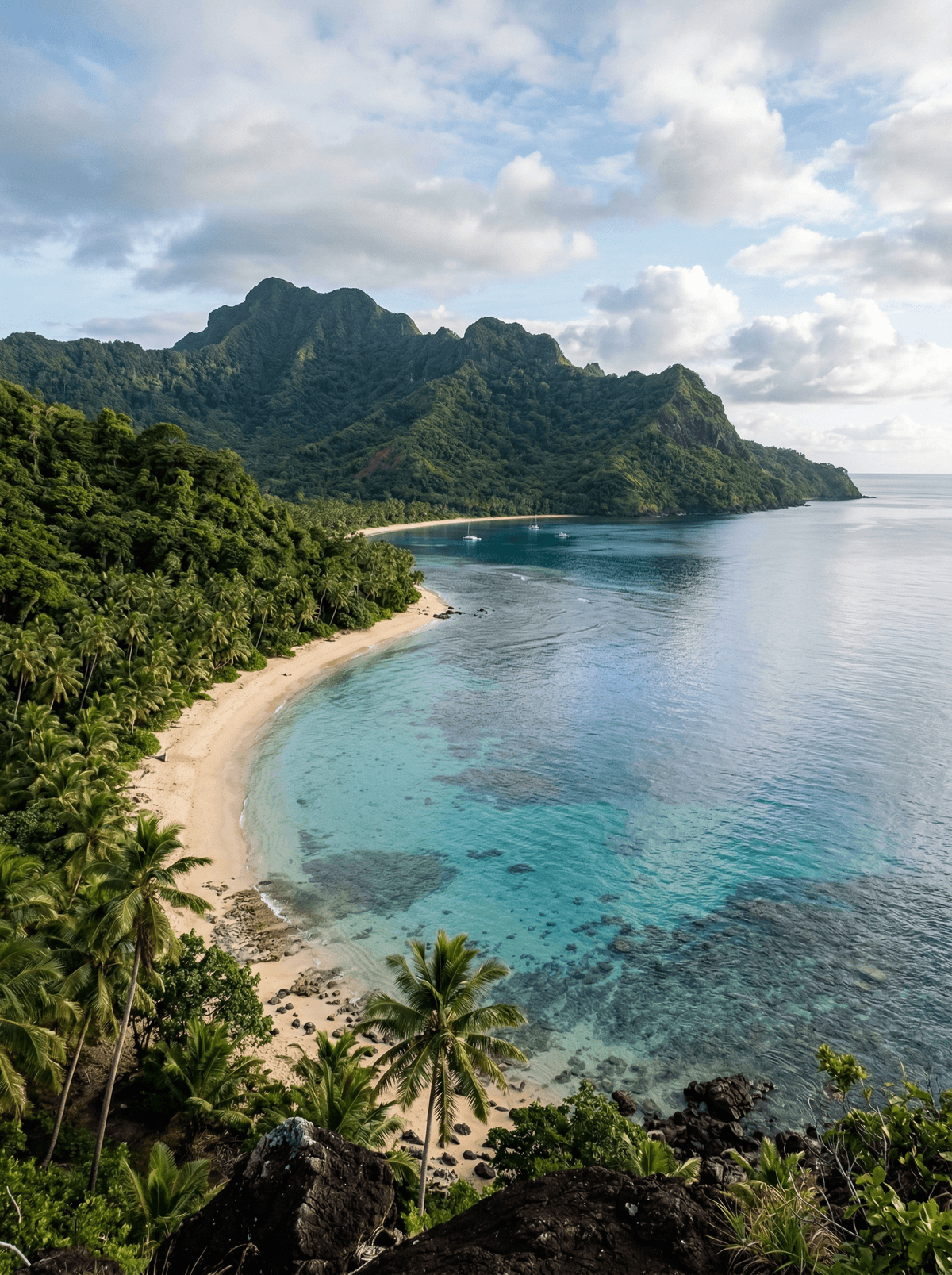
The Fiji petrel was known from one museum specimen collected in 1855 and nothing else for 128 years. Then in 1983 a bird was found alive on Gau Island, and the mystery of its nesting site was partly resolved. Gau is where the rarest seabird in the Pacific raises its young in highland jungle that almost nobody visits.
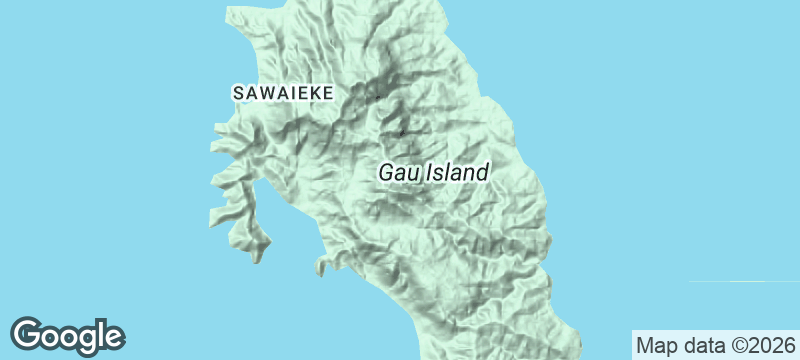
Gau Island, in the Lomaiviti Group, is the fifth-largest island in Fiji and one of the least visited, primarily due to limited transport connections and minimal tourist infrastructure. The island is the confirmed breeding site of the Fiji petrel (Pseudobulweria macgillivrayi), a tubenose seabird considered possibly extinct after being described from a single specimen in 1855 and not confirmed alive until 1983. The birds nest in highland jungle on the island's interior ridges — habitat protected by Gau's low human population and absence of road access to the interior. The island also supports populations of other endemic forest birds. A small community-run lodge operates for the rare traveller who makes the journey.
Solo
Gau is a destination for ornithologists and serious wildlife travellers — the Fiji petrel breeding site alone justifies the logistical effort.
Couple
The combination of genuine wildlife discovery and extreme remoteness creates a shared experience with no equivalent in the Pacific.
- The Fiji petrel (Pseudobulweria macgillivrayi) was not confirmed alive until 1984 — only a handful of sightings have been made since, all near Gau.
- Targeted scientific expeditions have searched for the petrel's nest without success — the island's interior forest remains the most likely nesting habitat, yet undiscovered.
- Gau's interior is dense and largely unmapped — the island receives fewer visitors than almost any other in the Lomaiviti Group.
- Village homestays operate through the Lomaiviti Provincial Council; there is no resort, no electricity grid, and no mobile coverage.
Village families share simple meals — cassava, reef fish, and dalo cooked in coconut milk.
Fresh tropical fruit from village gardens — breadfruit, bananas, and mangoes.
Every meal comes from the surrounding sea and highland gardens — nothing imported.
Hideaway Island
Vanuatu
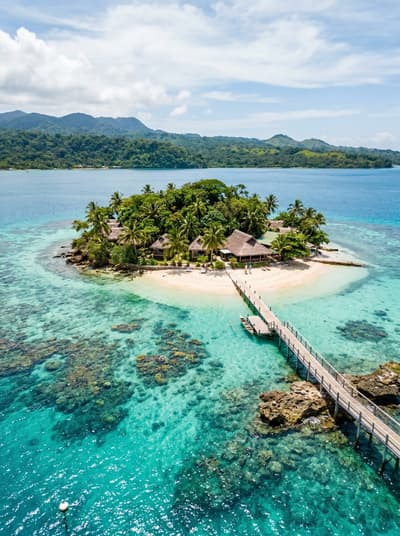
Post a waterproof postcard from the world's only underwater post office, then snorkel its coral reef.
Ureparapara
Vanuatu
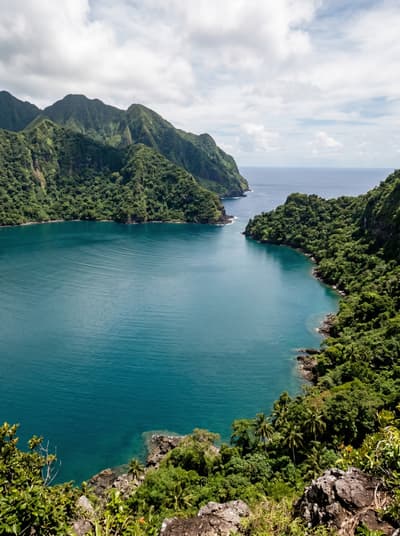
Sail into the flooded crater of a horseshoe-shaped volcanic island where fewer than 500 people remain.
Isla Magdalena
Chile
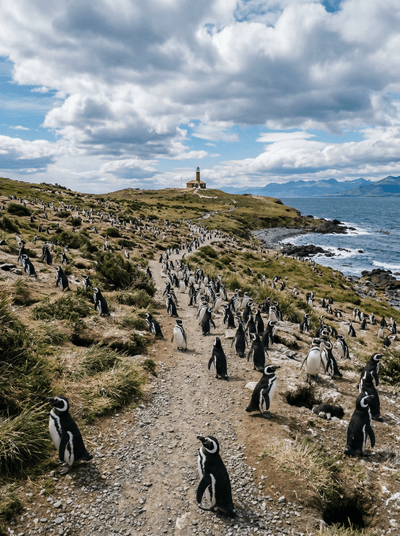
Magellanic penguins in their tens of thousands, nesting so close you walk through their colony.
Buracona
Cape Verde
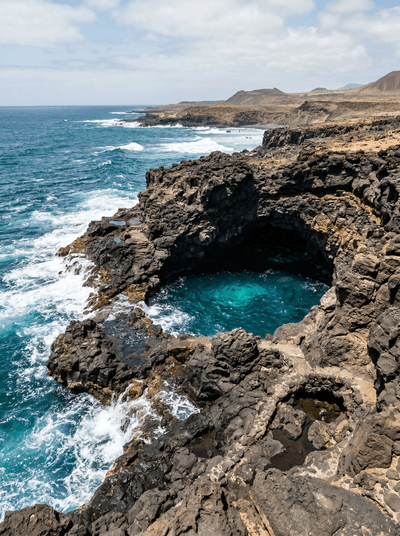
At midday, sunlight plunges through volcanic rock and ignites an underwater cave into electric blue.
Yasawa Islands
Fiji
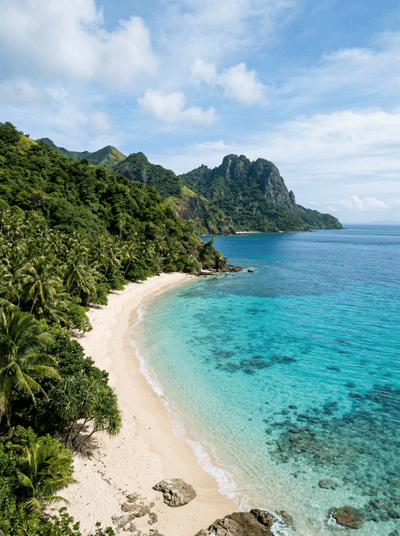
Volcanic spines pierce the Pacific, each island a different shade of turquoise solitude.
Taveuni
Fiji
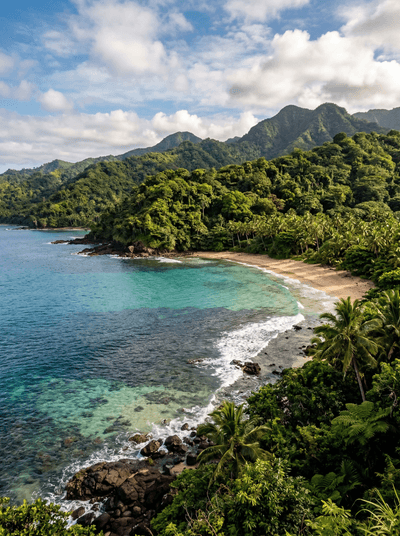
The 180th meridian slices through this rainforest island, splitting today from yesterday underfoot.
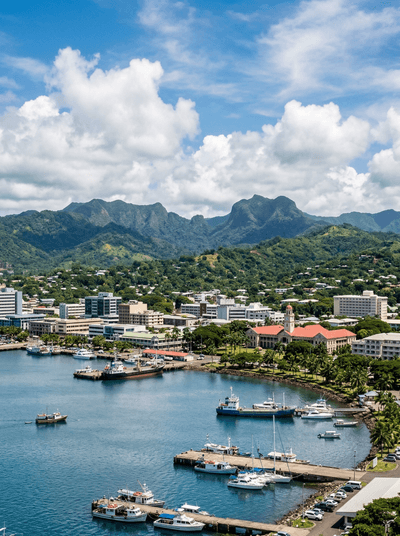
Suva
Fiji
South Pacific hustle where Hindi temples share streets with Fijian markets and colonial verandahs.
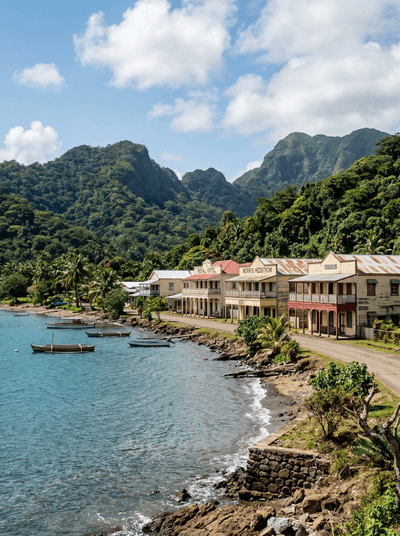
Levuka
Fiji
Fiji's first colonial capital frozen in the 1870s, wooden shopfronts sagging under tropical rain.