Greece
Gavdos
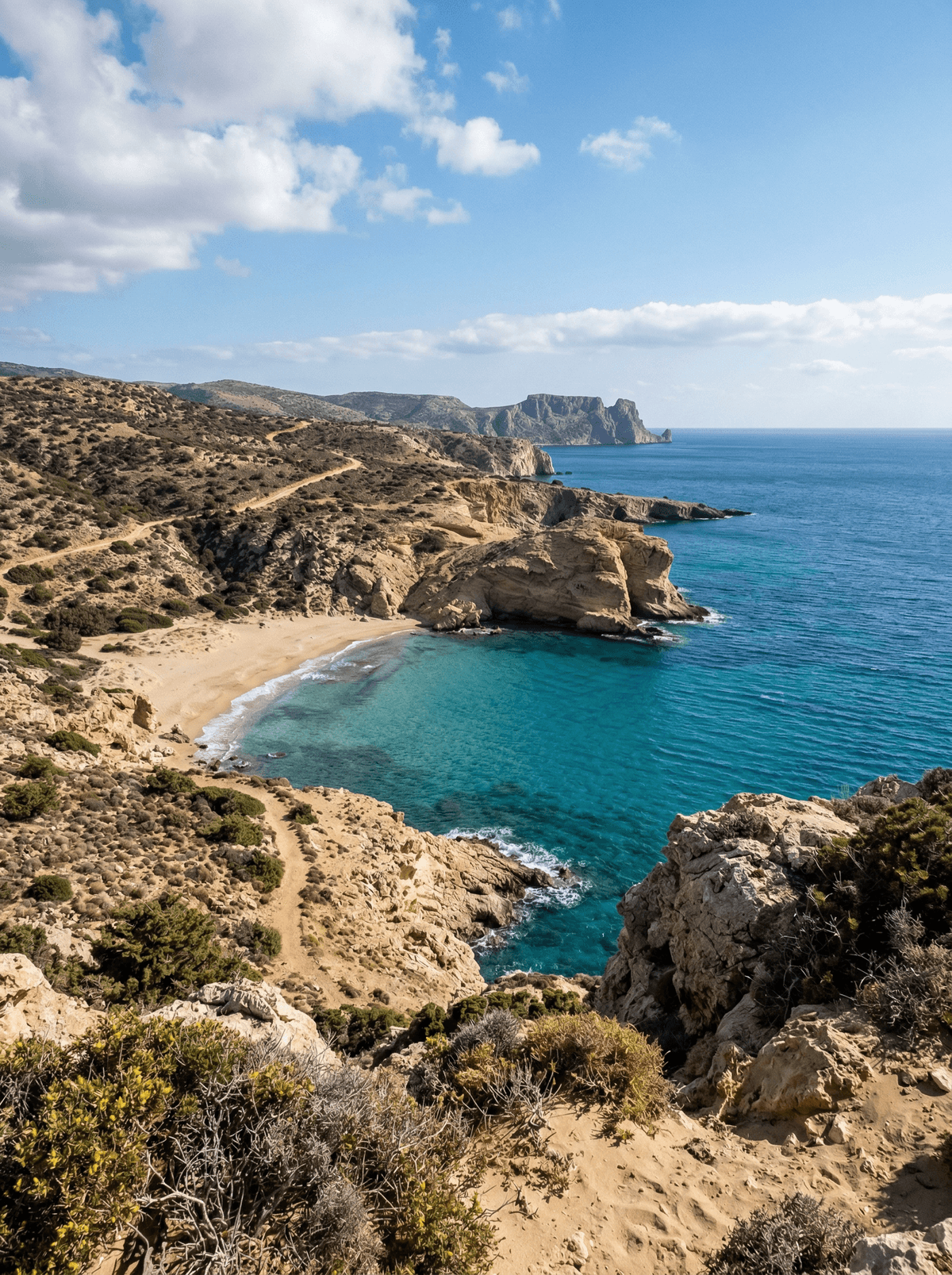
Cape Tripiti marks Europe’s southern geographical edge beyond a sparse Cretan island landscape.
A wooden chair looks south from Cape Tripiti across open sea at Europe’s geographical edge. Behind it, dry paths, juniper-backed beaches and small settlements form a spare but genuinely inhabited island.
The cape is reached on foot from southern approaches, with heat and water needs shaping the day. Karave, Sarakiniko and inland settlements provide different bases rather than a single beach-camp story. Ferry disruption and seasonal services are real constraints, so current transport and accommodation checks matter more than volatile population or utility statistics.
Solo
Carry supplies to Cape Trypiti, stand on Europe's southernmost rock arches, and let the stars cast your shadow.
- Cape Tripiti is widely recognised as the southernmost geographical point of Europe.
- Walking routes approach the cape from southern settlements through a dry coastal landscape.
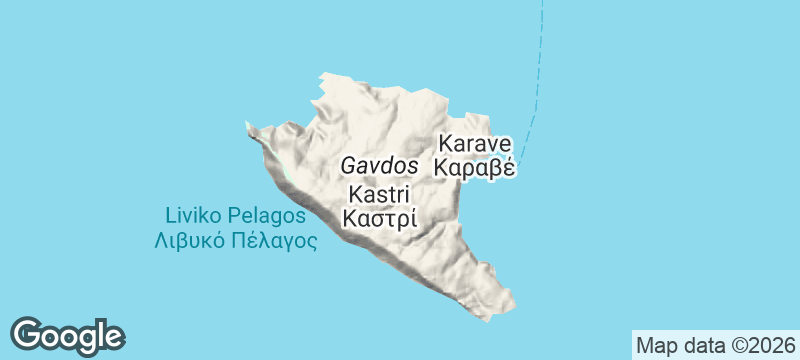
- Juniper-backed beaches, Sarakiniko and the small harbour at Karave give the island several distinct bases.
- Ferries and local services are weather-sensitive, so current transport and accommodation checks are essential.
Slow-cooked goat with horta appears when the kitchens have it — Panorama, at the settlement's high point, does the island's best fish.
Sarakiniko Fish Restaurant is the dependable beach table — grilled catch at Europe's southern edge.
Tarfaya
Morocco
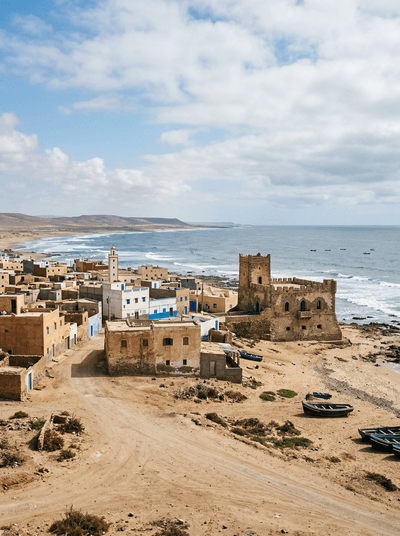
An airmail museum faces an Atlantic trading fort marooned beyond the harbour wall.
Plage Blanche
Morocco
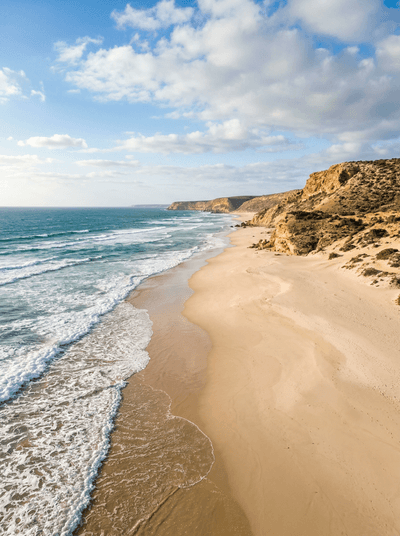
Low tide reveals a forty-kilometre Atlantic corridor between dune, cliff and river mouth.
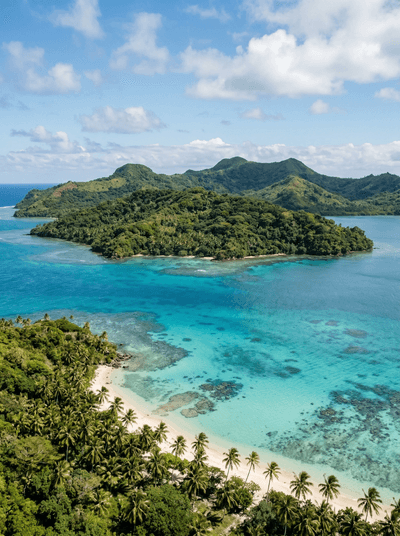
Ono-i-Lau
Fiji
Fiji ends here: islands inside a single reef, the next land ninety kilometres of ocean away.
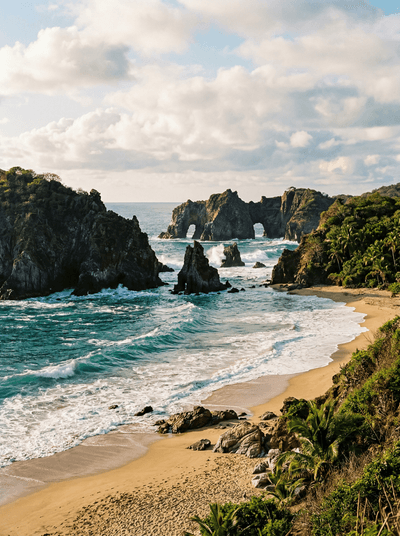
Maruata
Mexico
Nahua-run cabins face a wild Pacific cove of cliffs, sand and turtle habitat.
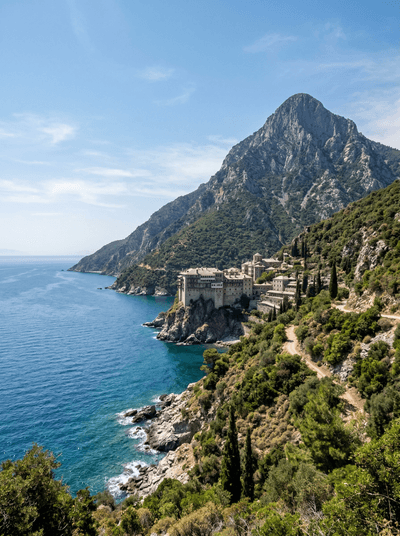
Mount Athos
Greece
Twenty monasteries line a forested peninsula governed by a thousand-year monastic tradition.
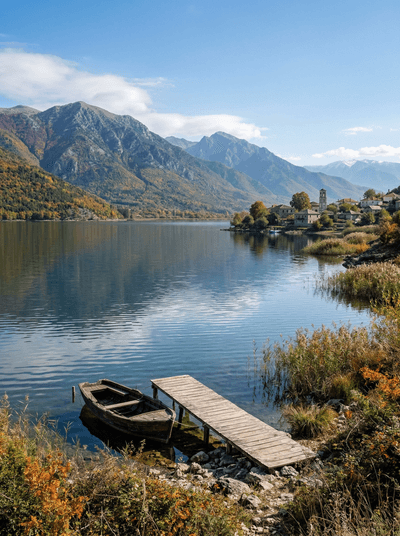
Prespa Lakes
Greece
Byzantine hermitages painted on cave walls above a lake shared by three countries.
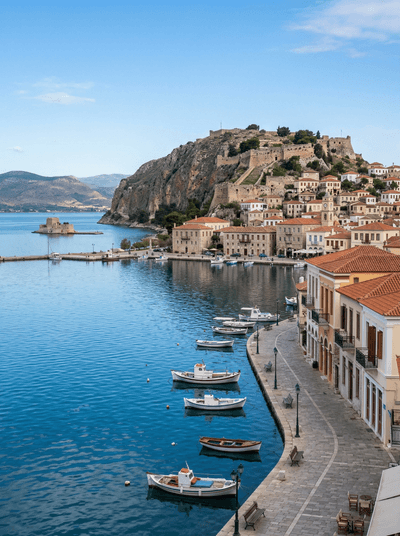
Nafplio
Greece
Stone steps climb to a Venetian sea fortress above a harbour of bobbing fishing caïques.
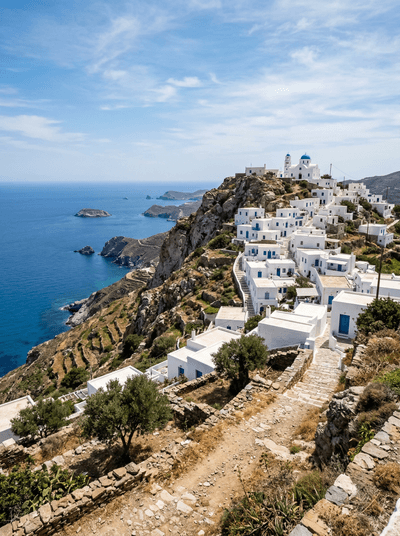
Anafi
Greece
A monolithic rock taller than Gibraltar guards the quietest island in the Cyclades.