Mexico
Guanajuato
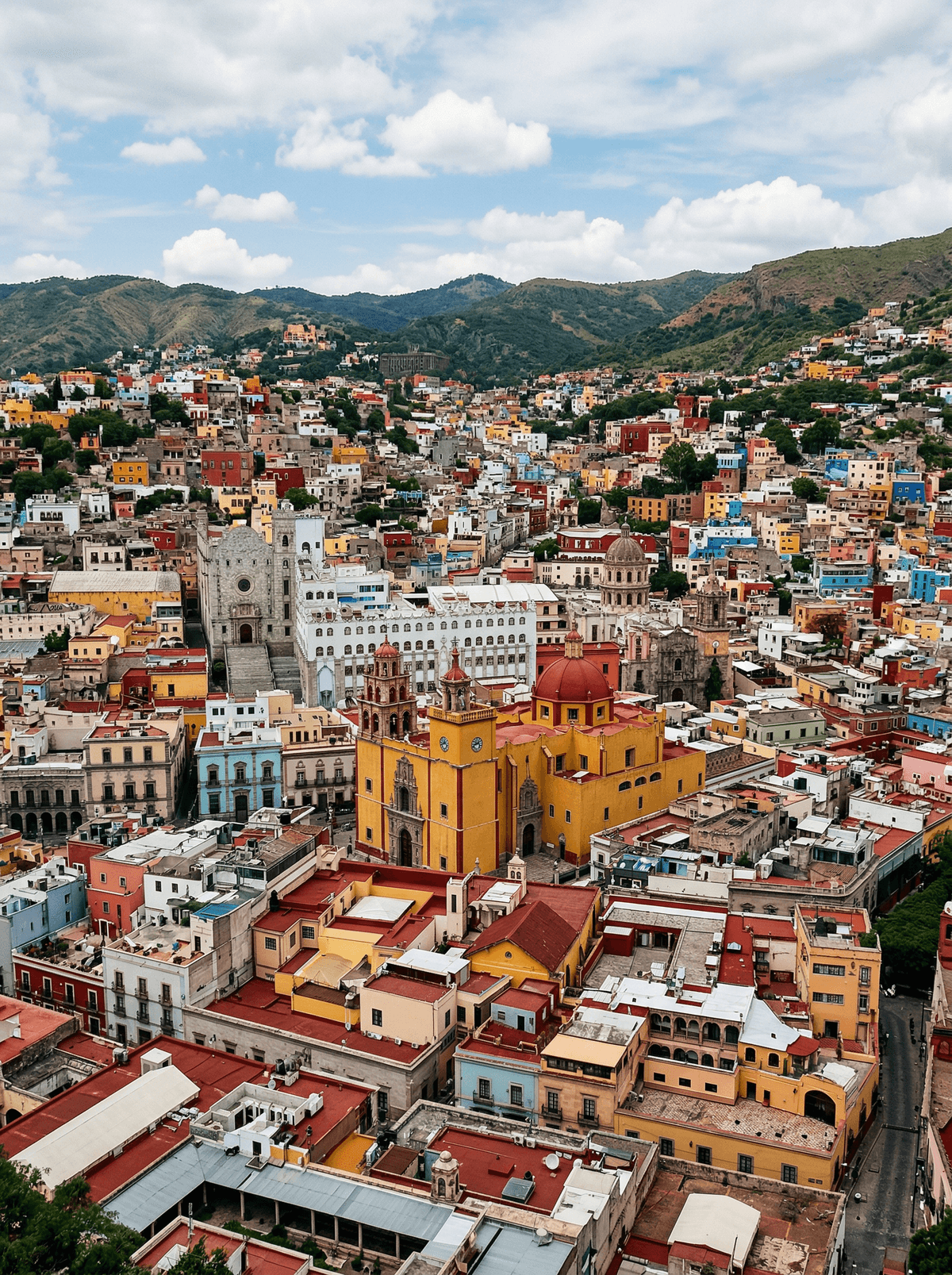
A city poured into a canyon, its houses stacked like a tumbled box of pastels.
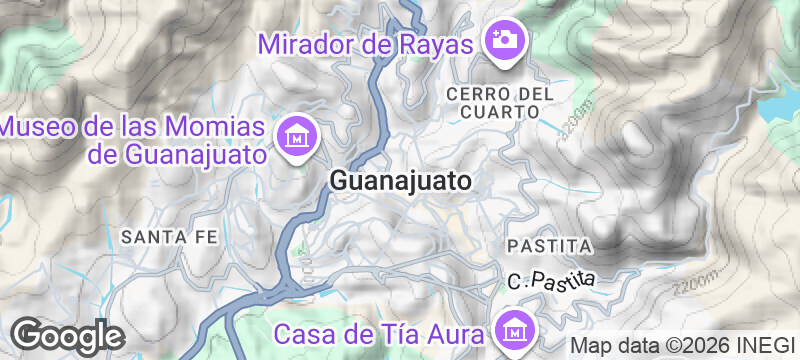
The city fills its ravine to the brim. Houses climb in stacked colour, lanes pinch to shoulder width, and the traffic vanishes underground into tunnels where the river used to run.
Guanajuato's UNESCO listing recognises the silver-mining history and the architecture packed into its steep ravine, with pedestrian lanes, plazas and former river tunnels giving the centre a layout unlike Mexico's grid-planned cities. Each October the Festival Internacional Cervantino brings a major international arts programme. The miners' own dish still anchors the menus.
Solo
Get deliberately lost in the lanes, surfacing at plazas and funicular viewpoints.
Couple
Walk the alleys at dusk and take a tunnel-level view of the city's underside.
Friends
Time a visit to the Cervantino's October programme and share the late streets.
- UNESCO recognises Guanajuato for its mining history and the architecture packed into its ravine.
- Pedestrian lanes, plazas and former river tunnels give the centre a singular layout.
- The Festival Internacional Cervantino brings a major international arts programme each October.
Enchiladas mineras, the miners' own dish, remain a fixture of the city's fondas and neighbourhood fiestas.
Charamuscas, caramel figures of piloncillo and butter often moulded as mummies, sell at Mercado Hidalgo and the street stands.
Naples
Italy
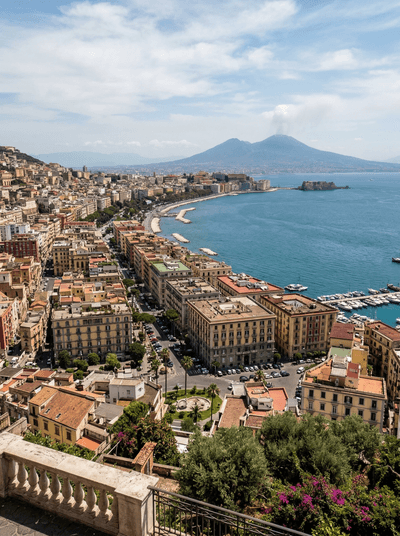
Chaos and devotion in equal measure, pizza folded at street corners, shrines in every alley.
Gravina in Puglia
Italy
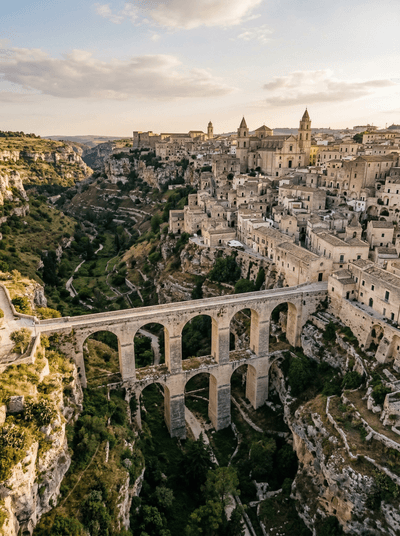
A canyon bridge spans a gorge lined with cave churches still daubed in Byzantine frescoes.
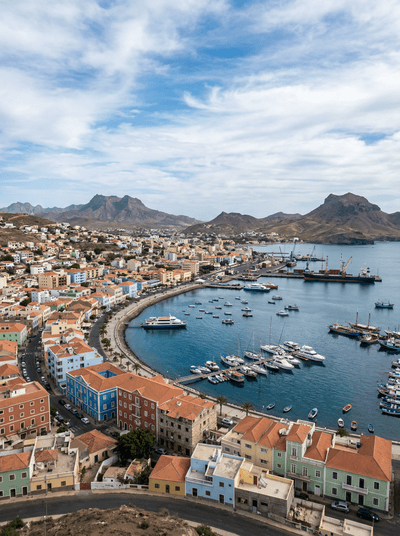
Mindelo
Cape Verde
Morna drifts from harbour bars where the barefoot diva Cesária Évora first sang for sailors.
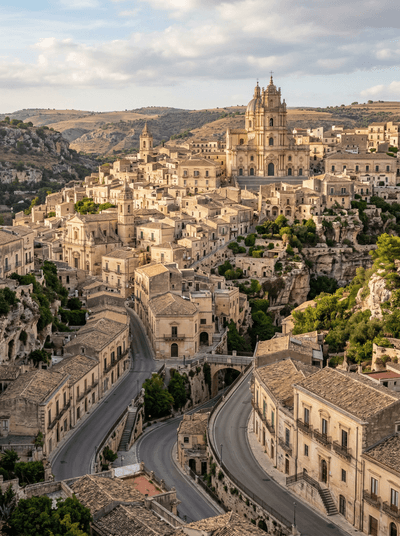
Modica
Italy
A Baroque city split across two gorges where they still make chocolate with an Aztec recipe.
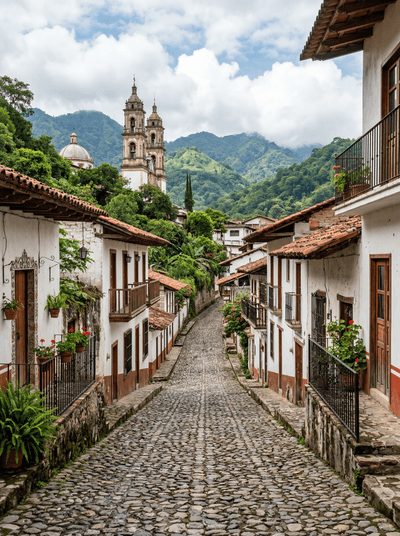
Cuetzalan
Mexico
Clouds drift through steep market streets above coffee, caves and forest paths.
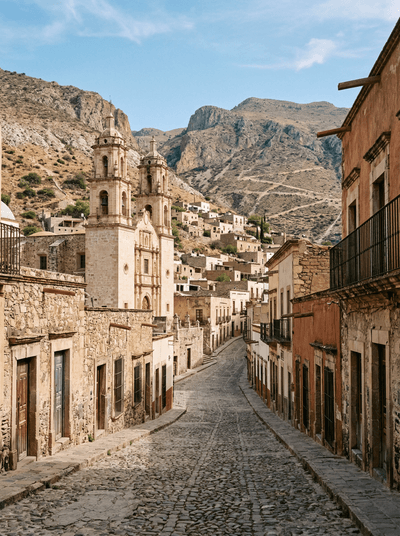
Real de Catorce
Mexico
A mining tunnel opens onto stone lanes, high desert and centuries of pilgrimage.
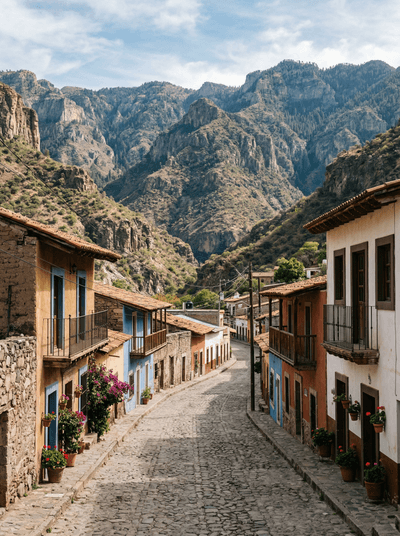
Batopilas
Mexico
A plunging canyon road ends among palms, aqueducts and silver-era stonework.
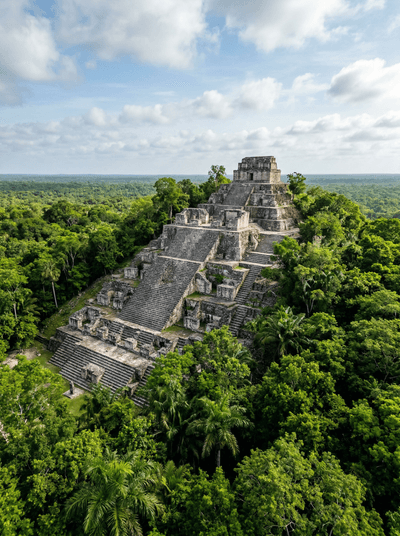
Calakmul
Mexico
A Maya capital's towers still stand above an unbroken sea of forest.