England
Hadrian's Wall
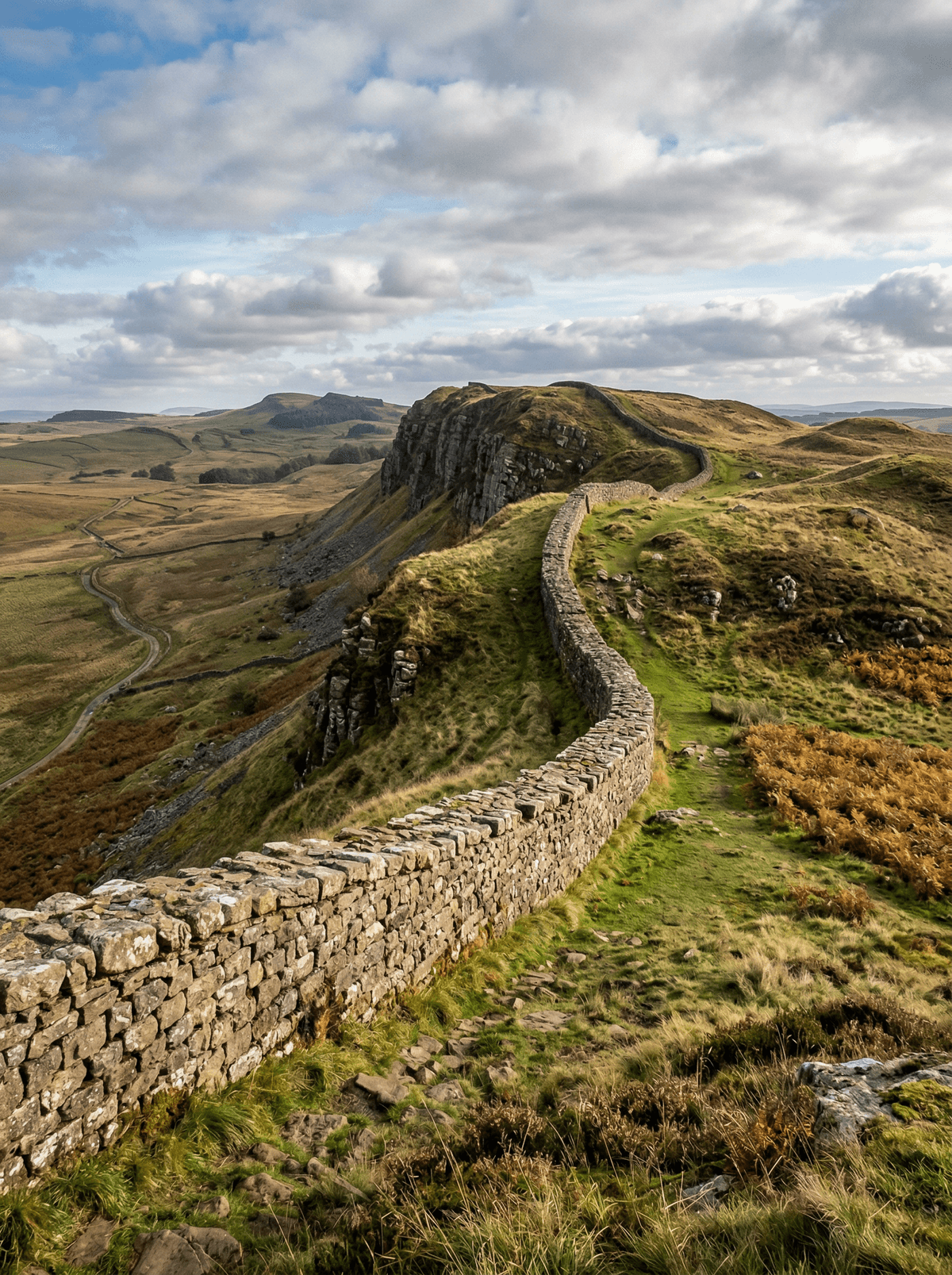
Roman stones marching across empty moor, still drawing the line after two thousand years.
The wall rides the Whin Sill ridge like a stone spine drawn across England, and at Sycamore Gap the famous dip remains, holding the memory of its tree after the illegal felling of 2023. Hadrian's Wall is the Roman Empire's most atmospheric frontier — seventy-three miles of ambition, engineering and the edge of the known world.
Construction began in 122 AD on Hadrian's orders and took roughly six years; at its height the wall was garrisoned by some nine thousand auxiliaries drawn from across the Empire — Batavians, Tungrians, Hamians — whose graffiti, altars and belongings are still coming out of the ground. The National Trail follows the whole line from Wallsend to Bowness-on-Solway, with the most dramatic stretch between Housesteads and Steel Rigg, where the wall surges over crags facing what was once hostile territory. Vindolanda, a fort older than the wall itself, has yielded the oldest surviving handwritten documents in Britain — among them a birthday party invitation from one officer's wife to another — while Housesteads keeps the best-preserved Roman latrines in the country, granaries with their underfloor ventilation intact, and a murder victim's skeleton found beneath a floor: empire at its most human.
Solo
Walk Housesteads to Steel Rigg and you walk the edge of Empire — crags, wind, and views north into an emptiness the Romans themselves would recognise.
Couple
Romantic landscape with genuine depth: farmhouse B&Bs along the route, the dramatic central section underfoot, and Vindolanda's human details bringing the Empire to life.
Family
The latrines, the granaries, the Wall itself — Housesteads makes Roman life physical, and children understand empire differently standing where the soldiers stood.
Friends
The 84-mile coast-to-coast trail is a week of shared miles — pubs and bunkhouses set the rhythm: walk, eat, sleep, repeat.
- The wall rides the Whin Sill like a spine, its Sycamore Gap dip now its own memorial.
- Vindolanda's tablets include a Roman birthday invitation, Britain's oldest handwriting.
- Forts, milecastles and turrets punctuate all seventy-three miles of frontier.
- Housesteads keeps Britain's best-preserved Roman latrines, facing the moor.
A farmhouse breakfast big enough to carry you a dozen Roman miles.
Northumberland lamb and a local ale in a trail-side inn at day's end.
Usambara Mountains
Tanzania
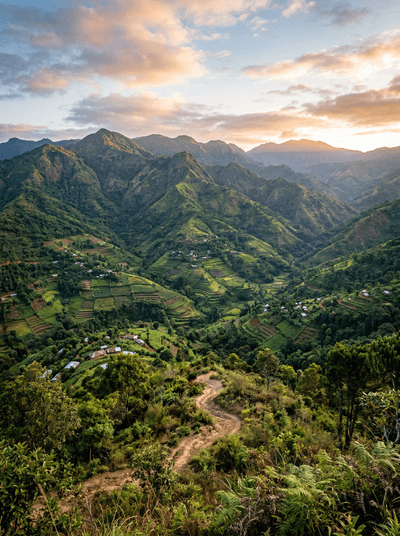
Cloud forest called the Galápagos of Africa gave the world the African violet.
Cuetzalan
Mexico
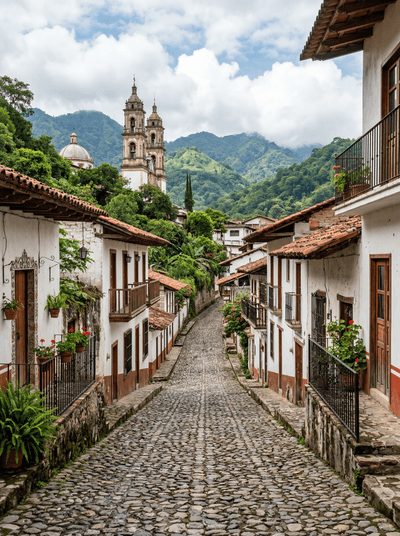
Clouds drift through steep market streets above coffee, caves and forest paths.

Mungyeong Saejae
South Korea
Joseon scholars walked this dirt pass through three stone gates for five hundred years.
York
England
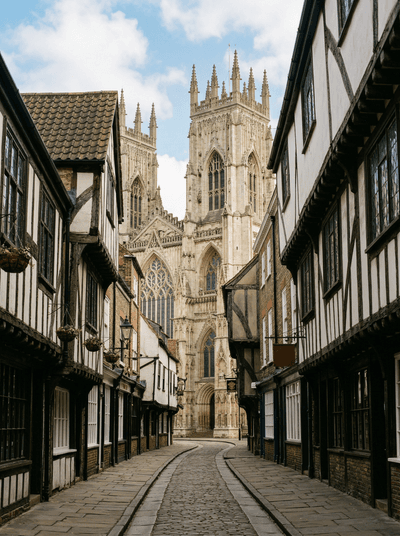
Viking streets and medieval snickelways where every alley hides a different century.

Oxford
England
Gargoyles stare from spires so dense the skyline looks like a stone forest.
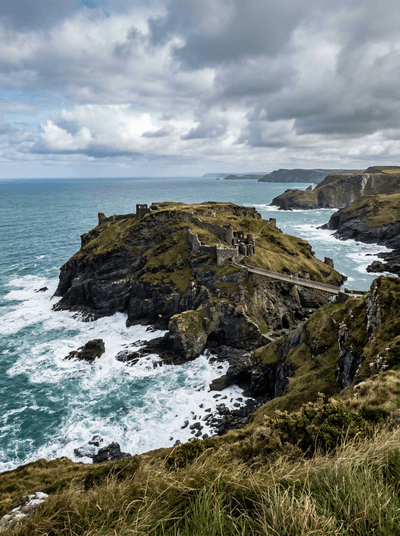
Tintagel
England
Cliff-edge ruins where Arthurian legend bleeds into the sea spray and the rock face.
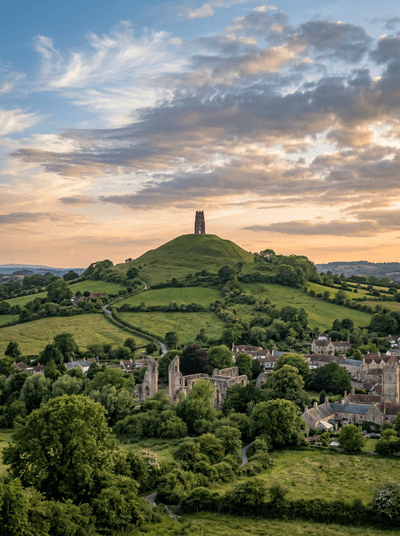
Glastonbury
England
Where ley lines cross, Arthur allegedly sleeps, and the veil feels genuinely thin.