Tanzania
Usambara Mountains
Cloud forest called the Galápagos of Africa gave the world the African violet.
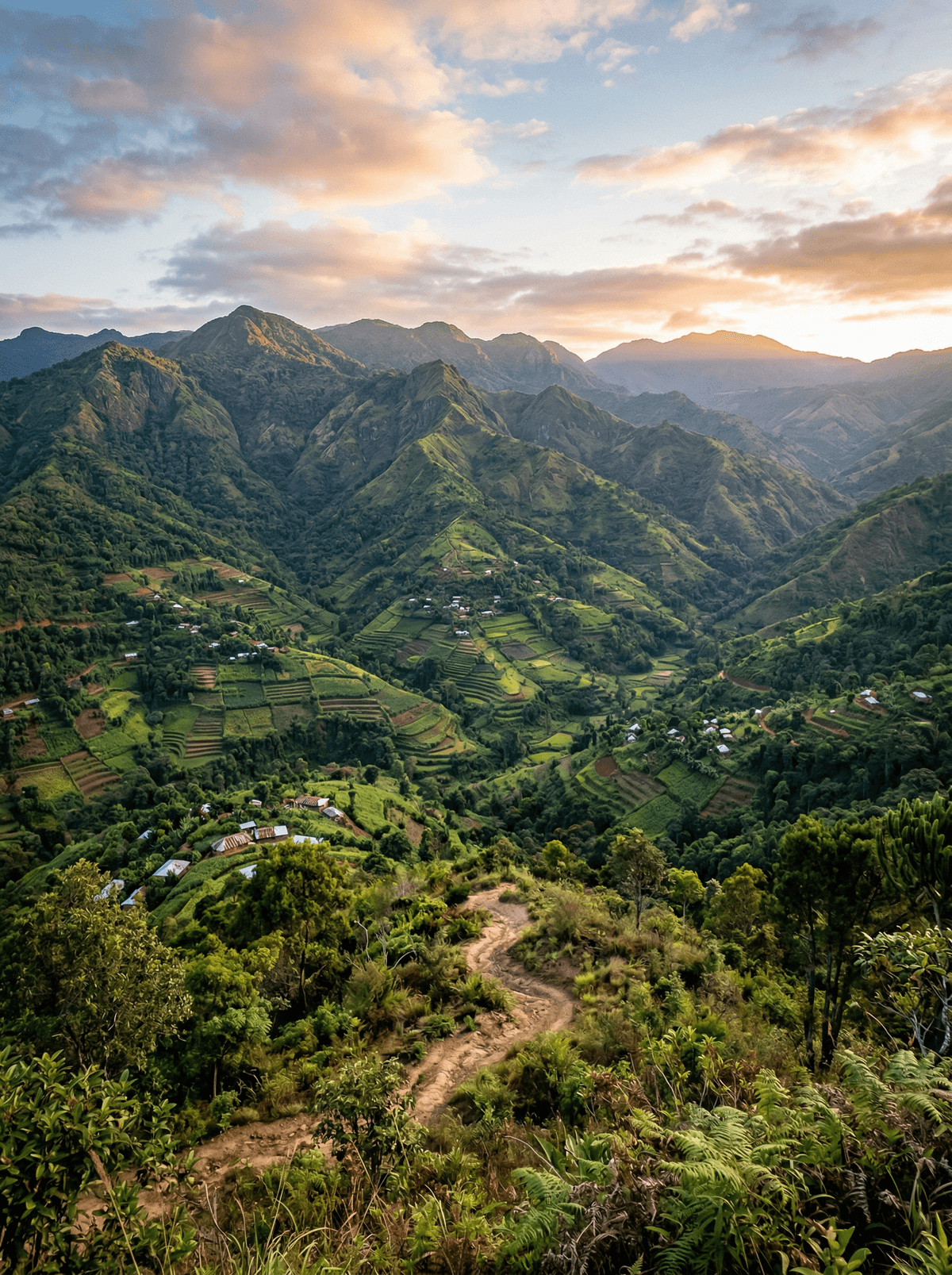
The Usambaras hold their mist like a habit: tea terraces and cloud forest stacked above Lushoto, in mountains so biologically singular they are called the Galápagos of Africa. The African violet started here.
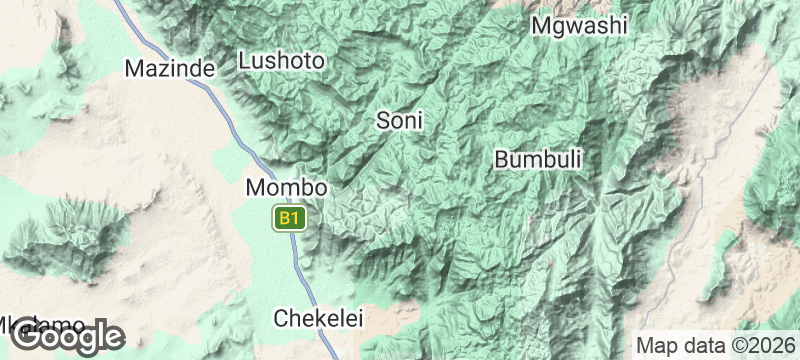
The Usambaras belong to the ancient Eastern Arc, mountains whose long isolation bred species found nowhere else: the Usambara eagle-owl, the two-horned chameleon, and the African violet, first collected here in 1892. Viewpoint walks, farm terraces and Magamba's forest trails ladder the high country above Lushoto, with June to November giving the clearest air after the rains. Lushoto's farm-to-table kitchen at JAVA caters the stay, vegetarian and vegan included.
Solo
Solo walkers can base in Lushoto and hire community or forest guides for named Usambara trails.
Couple
Couples who like farms, cool forest and sudden escarpment views can build an unhurried highland day.
Family
Families should choose shorter Magamba routes and willing community hosts that suit children’s walking ability.
Friends
Friends can link viewpoints, waterfalls and village farms while sharing a guide and transport from Lushoto.
- Eastern Arc endemism earns these mountains the Galápagos-of-Africa name.
- The African violet was first collected here in 1892.
- Viewpoints, terraces and Magamba forest trails ladder the hills above Lushoto.
- June to November brings the clearest post-rain air.
JAVA's Lushoto kitchen builds farm-to-table plates from the surrounding hills, vegetarian and vegan included.
Tapas arrive on the Sunset Terrace, homemade mocktails following from the Toro Loco Bar.
Pelion
Greece
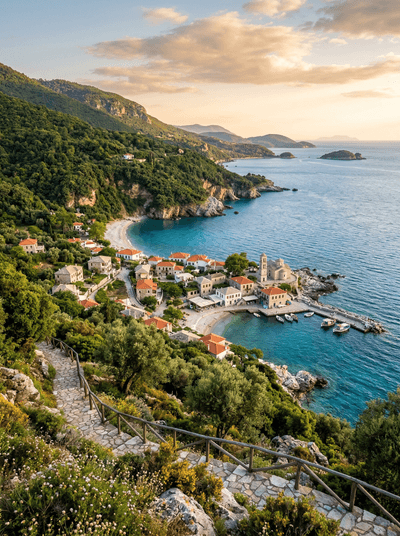
The centaurs' mythic homeland — chestnut forests and stone villages sliding from peak to shore.
Hadrian's Wall
England
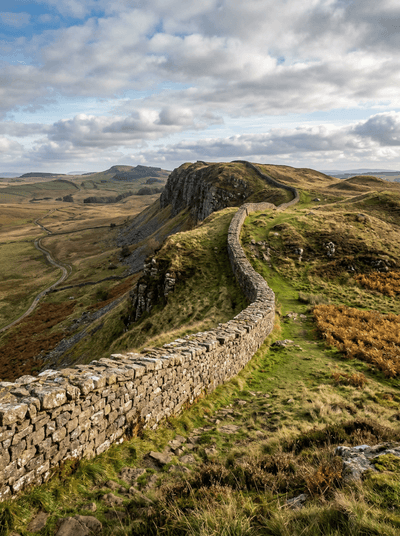
Roman stones marching across empty moor, still drawing the line after two thousand years.
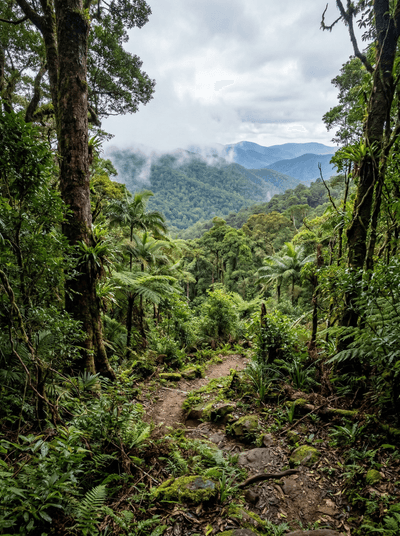
Lamington National Park
Australia
Antarctic beech trunks rise through cloud forest where waterfalls vanish into green ravines.
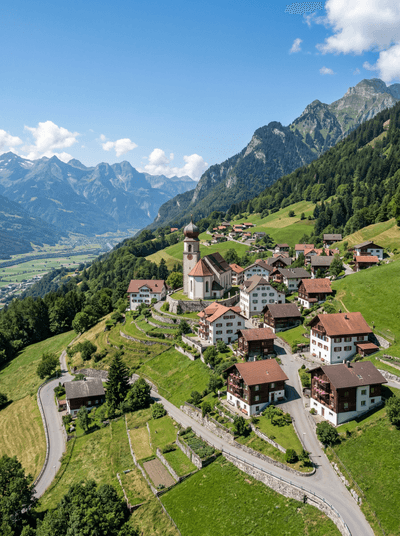
Triesenberg
Liechtenstein
Seven centuries on, this mountainside still speaks the Walser German its settlers carried from Valais.
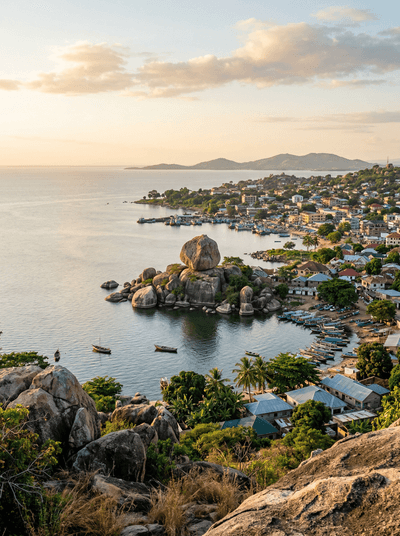
Mwanza
Tanzania
Granite boulders the size of cathedrals balance over Lake Victoria's shore.
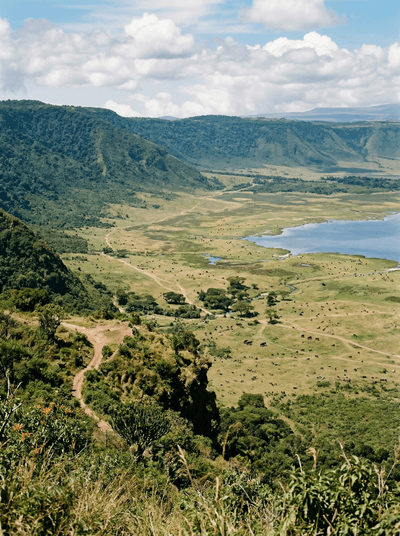
Ngorongoro Crater
Tanzania
A collapsed volcano holds its own weather, its own herds, and Maasai cattle besides.
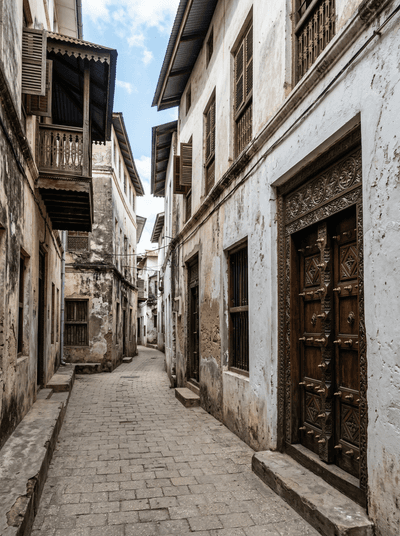
Stone Town
Tanzania
Five hundred carved doors open onto lanes that smell of clove and a thousand years.
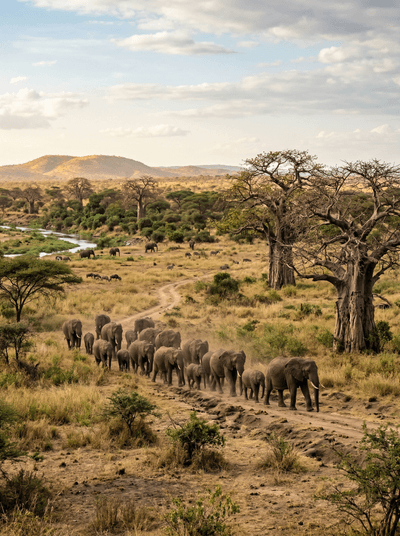
Tarangire National Park
Tanzania
Elephants in their hundreds crowd a shrinking river beneath thousand-year baobabs.