
Chile
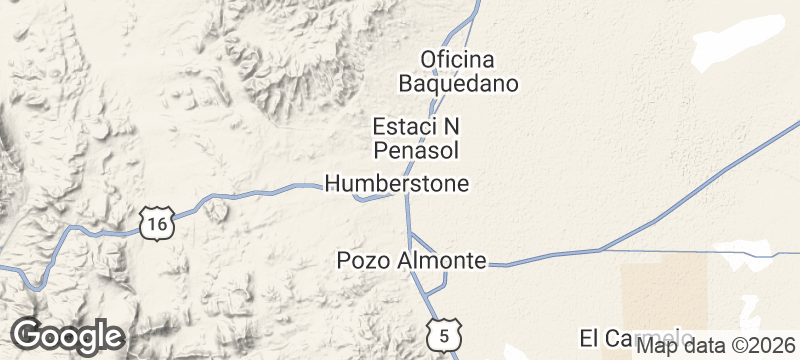
Humberstone and Santa Laura
A desert nitrate town keeps its theatre, machinery and workers' streets beneath the sun.
Dust gathers on wooden seats while wind moves through an empty school corridor. Beyond the square, rusted industrial structures stand against a sky without shade.
The UNESCO-listed works preserve both the machinery of nitrate extraction and the civic world built around it. Housing, theatre and workshops turn an industrial ruin into a social history of pampino life. Marked access and museum interpretation make the scale readable across a substantial visit.
Solo
Museum interpretation and marked streets make the industrial settlement rewarding without a private guide.
Family
The theatre, school and machinery let children read the nitrate story through recognisable spaces.
- The UNESCO-listed saltpetre works keep machinery, housing and a whole civic world from the nitrate era.
- Theatre, school and workers' streets tell the pampino story alongside the industrial plant.
- The surviving structures reward hours of walking rather than a glance from the road.
Cocina pampina — calapurca nortina, charquicán with charqui, pan amasado — was born in these nitrate camps and survives in inland kitchens.
The chumbeque itself began in Pozo Almonte, the comuna that holds Humberstone, before conquering Iquique.
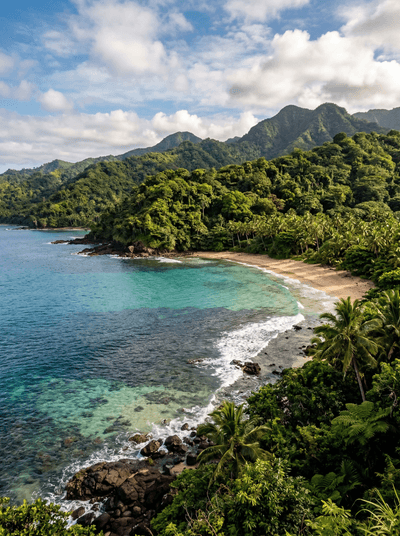
Taveuni
Fiji
Stand astride the 180th meridian in rainforest, one foot in today, one in yesterday.
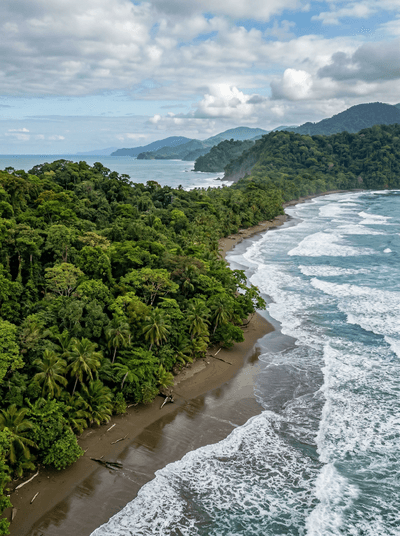
Corcovado National Park
Costa Rica
National Geographic called it the most biologically intense place on Earth. They undersold it.
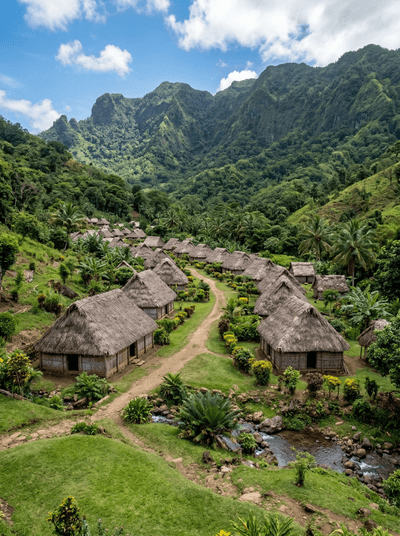
Navala Village
Fiji
Two hundred thatched bures, all built the same size, climb a valley above the Ba River.
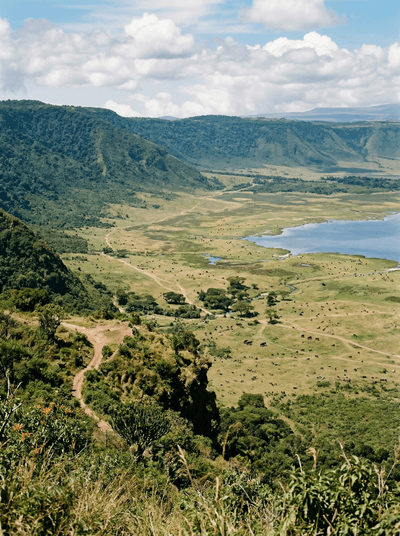
Ngorongoro Crater
Tanzania
A collapsed volcano holds its own weather, its own herds, and Maasai cattle besides.
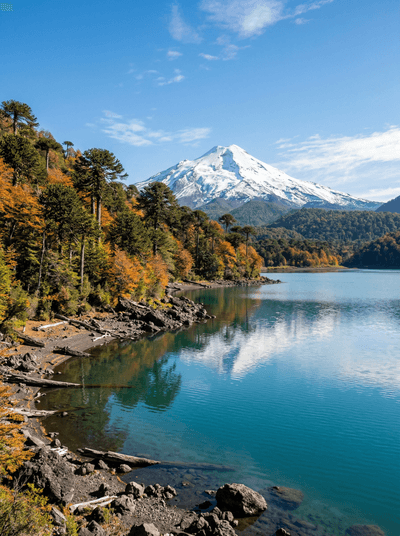
Parque Nacional Conguillío
Chile
Araucaria crowns stand over black lava and clear lakes beneath Volcán Llaima.
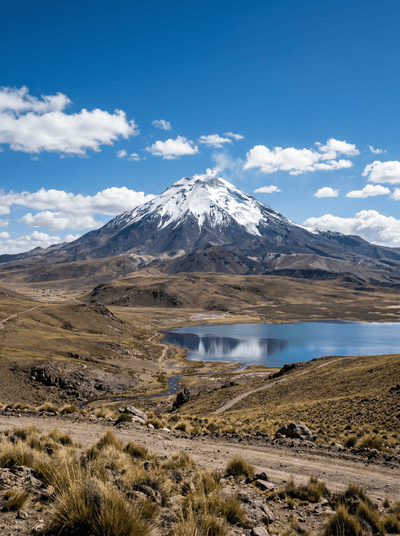
Parque Nacional Volcán Isluga
Chile
Volcanic horizons and high wetlands surround living Aymara settlements in the altiplano.
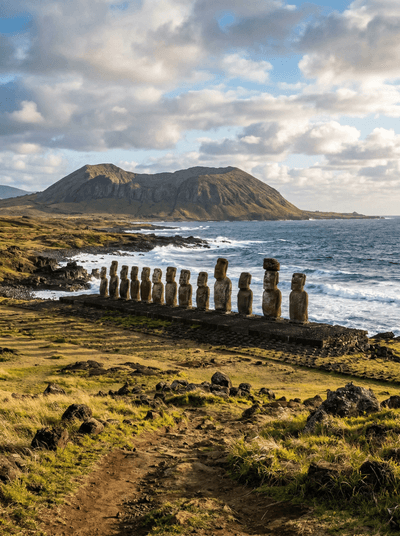
Rapa Nui (Easter Island)
Chile
Moai, grassed craters and a living Polynesian culture meet in the open Pacific.
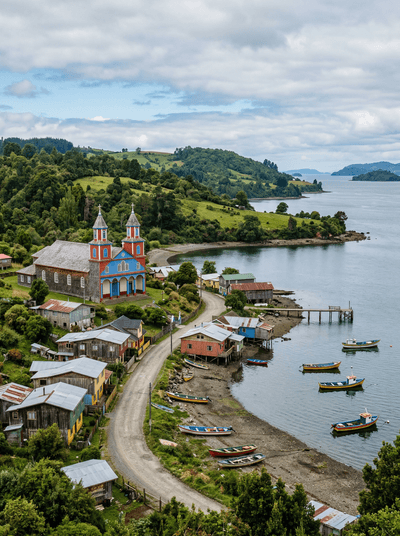
Isla Chiloé (Tenaún)
Chile
Three timber towers rise above a quiet Chilote waterfront.