Fiji
Kadavu
Manta rays circle the world's fourth-largest barrier reef, off villages the road barely reaches.
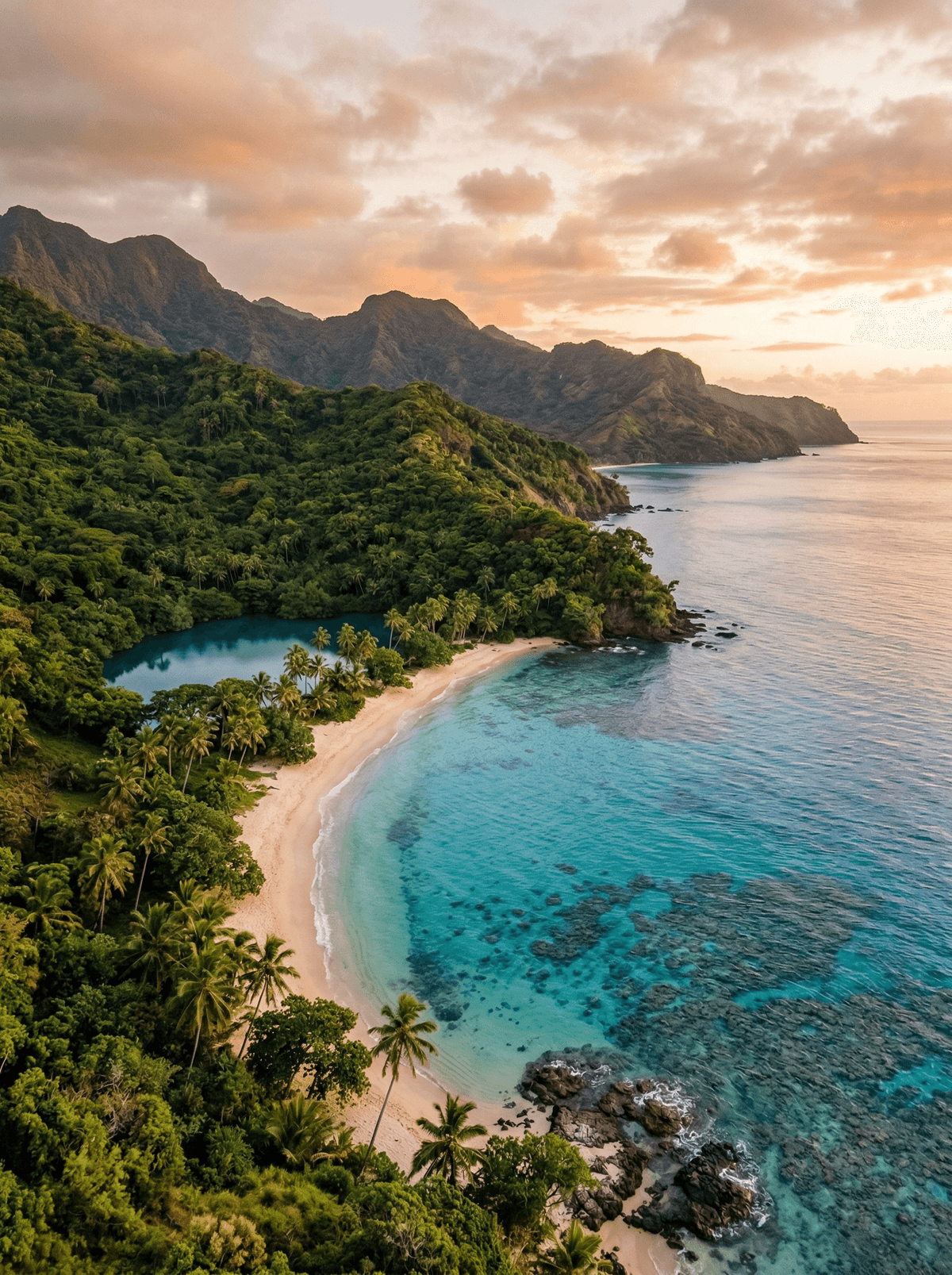
At dusk on a Kadavu beach the only sounds are a boat motor somewhere out on the water and the slap of something large turning in the reef. The world's fourth-largest barrier reef curls a hundred kilometres around this island group, out where Fiji goes quiet.
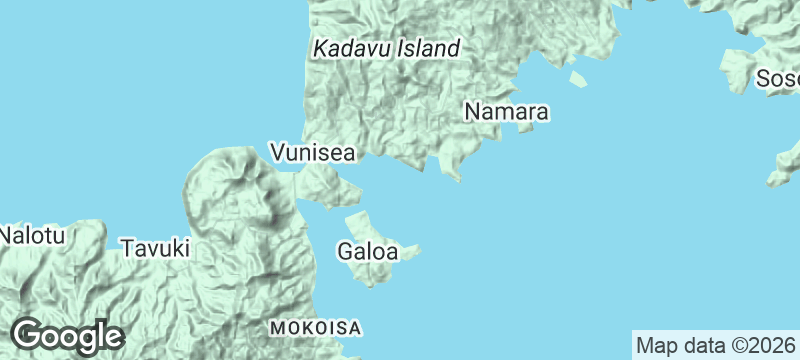
The Kadavu Group lies south of Viti Levu: around ten thousand people in small coastal villages, few roads, no towns. The Great Astrolabe Reef wraps the islands for roughly 100 kilometres, its outer walls dropping from twenty metres to beyond a thousand, and from May to October manta rays with three-metre wingspans hold station at its cleaning sites while divers hang alongside. Ashore, rainforest keeps four birds found nowhere else on Earth, among them the crimson Kadavu shining parrot and the whistling dove. Lodges arrange every boat transfer; the sea is still the main road here.
Couple
An eco-lodge week pairs quiet coastal bures with manta season on the reef, in an island group far off Fiji's beaten track.
Solo
Remote-reef diving and snorkelling are the point of Kadavu, not an afterthought, and lodges fold single travellers into each day's boat.
Friends
The Astrolabe's wall sections reward a group of experienced divers across five or six days, with kava and lovo nights filling the surface intervals.
- The Great Astrolabe Reef is the world's fourth-largest barrier reef, curling roughly 100 kilometres around the Kadavu group.
- Manta rays gather at the reef's cleaning stations between May and October, met in the water at three-metre wingspan range.
- Four endemic birds live here and nowhere else, including the crimson Kadavu shining parrot and the whistling dove.
- Around ten thousand islanders keep village traditions across a group with few roads and no towns; lodges run their transfers by boat.
Papageno grills ika tavu, the day's coconut fish, fresh off the boat with greens from its organic garden.
Kokoda arrives cold and citrus-sharp: raw fish set in coconut cream and lime.
Dibba
United Arab Emirates
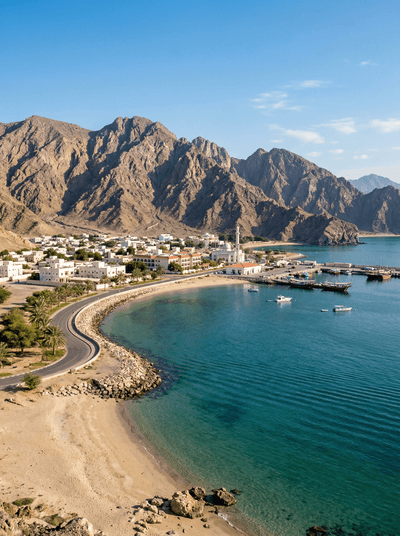
One bay, two countries, three jurisdictions: fishing dhows work the borders beneath Hajar cliffs.
Pacific Rim National Park Reserve
Canada
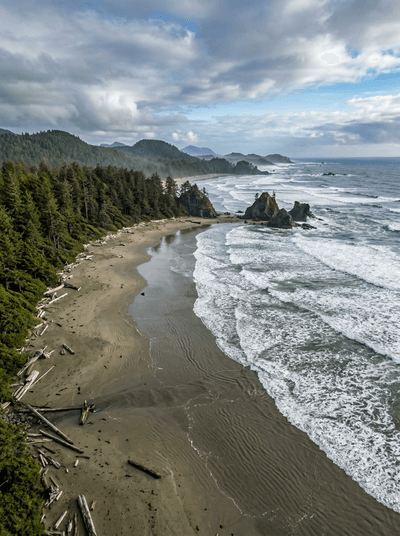
Cold surf, cedar rainforest and kilometres of open sand line Vancouver Island's exposed shore.
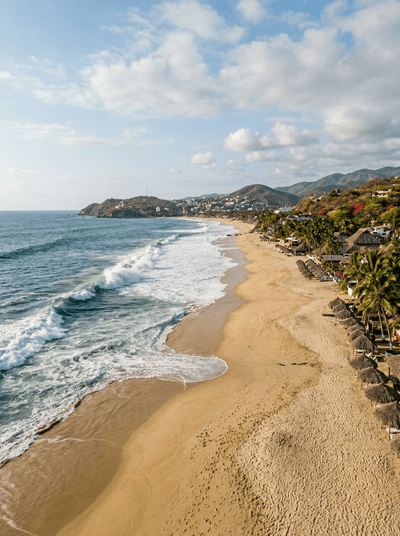
Puerto Escondido
Mexico
Pacific swell meets market mornings and small bays along Oaxaca's lively surf town.
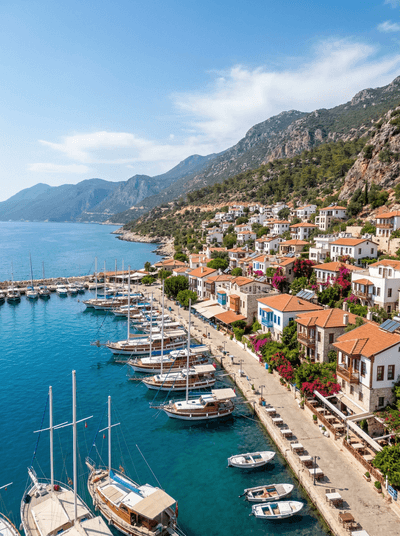
Kaş
Turkey
Lycian tombs glow orange at sunset above a harbour where sea kayaks launch toward sunken ruins.
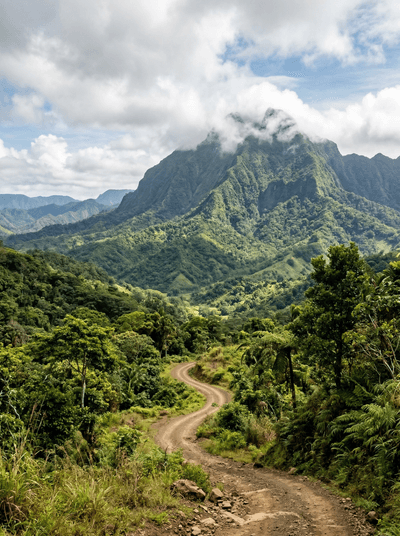
Tomanivi
Fiji
Cloud forest so thick the trail vanishes, Fiji's highest peak at 1,324 metres above the canopy.
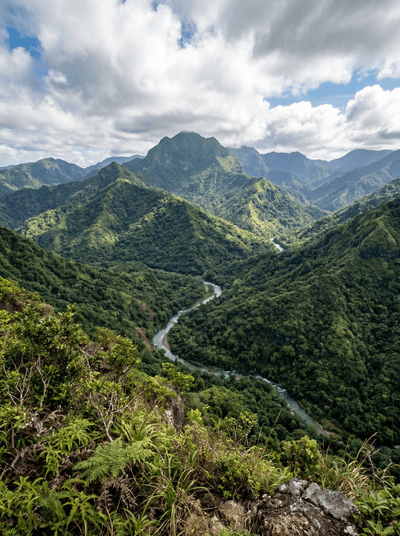
Namosi Highlands
Fiji
Bamboo rafts still run the cold green rivers under Namosi's cloud-hung jungle walls.
Savusavu
Fiji
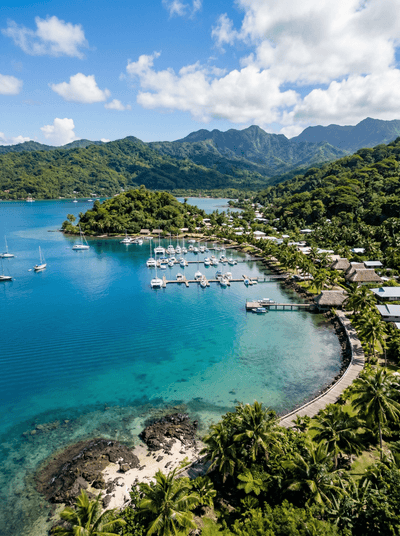
Hot springs cook the town's dalo beside anchored yachts and a bay farmed for black pearls.