Tanzania
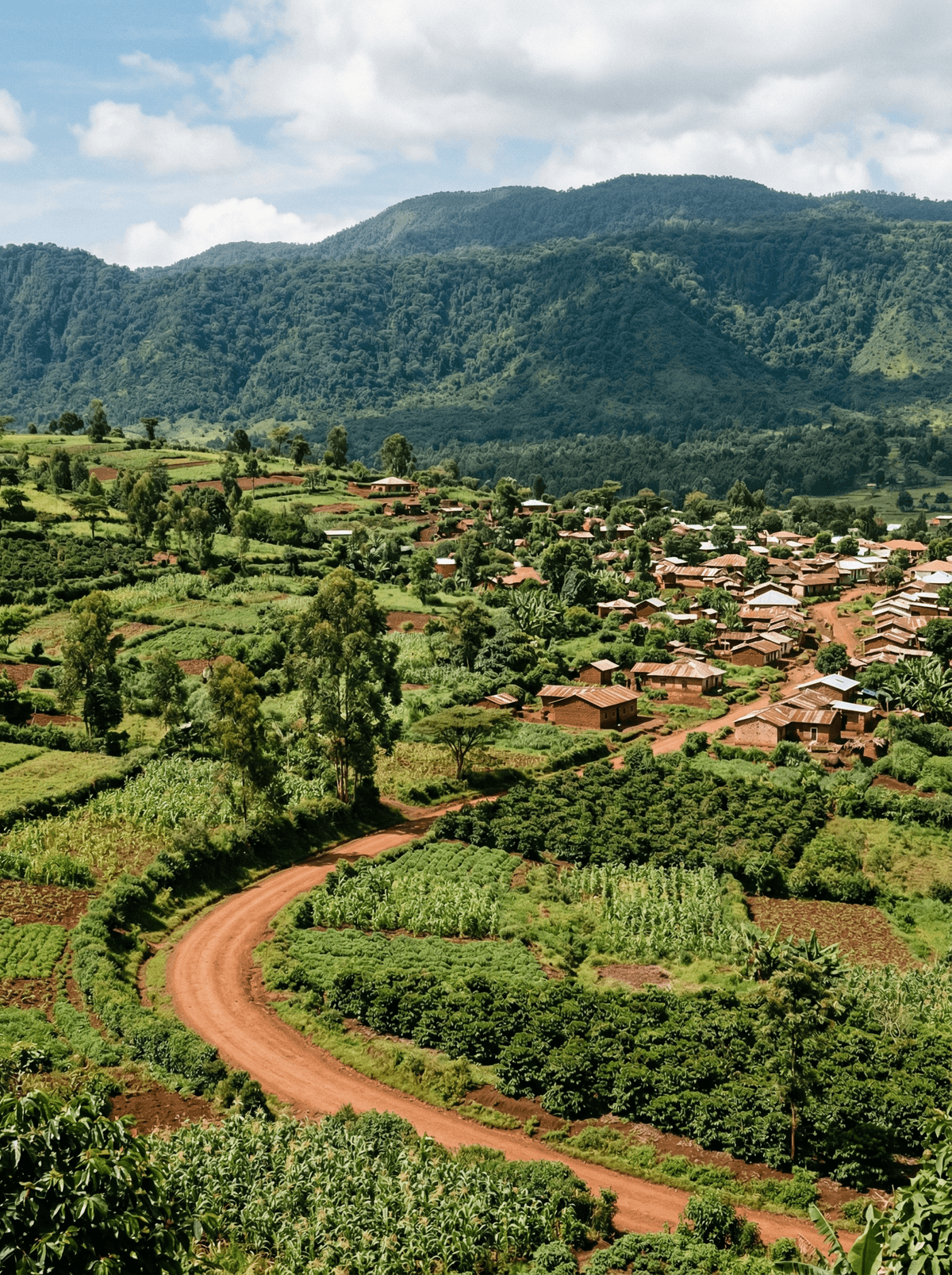
Iraqw families still dig homes below the earth here, under coffee canopy at Ngorongoro's doorstep.
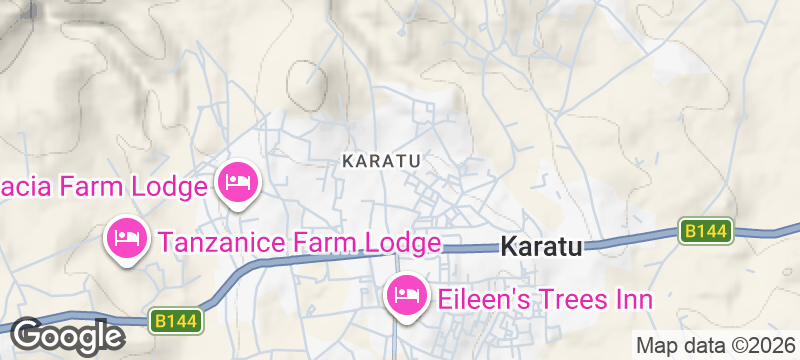
Coffee bushes press against the road on both sides as it winds up toward the Ngorongoro highlands, their dark leaves beaded with morning dew. Karatu sits in the crease between the Rift Valley floor and the crater rim, a farming town where red soil stains everything and the smell of roasting coffee competes with woodsmoke from Iraqw homesteads dug into the hillside. Step inside one of these subterranean dwellings and the temperature drops, the light dims, and centuries of architectural ingenuity become immediately, physically apparent.
Karatu is a highland town in northern Tanzania positioned between Lake Manyara and the Ngorongoro Conservation Area, serving as the last supply stop before the crater. The Iraqw people, a Cushitic-speaking group who migrated to the region centuries ago, are the area's defining cultural presence. Their traditional underground houses — excavated into the hillside and roofed with earth and timber — are engineering responses to the cool highland climate and historical need for concealment. Several Iraqw cultural homesteads now welcome visitors, offering tours of these structures alongside tastings of honey beer brewed from wild highland honey and fermented with tree bark. Karatu's altitude and volcanic soil produce some of Tanzania's finest coffee, with small-batch farms along the crater road offering roasting demonstrations and cupping sessions. The town's German colonial heritage survives in an unlikely bakery tradition — fresh wheat bread and pastries in a region otherwise sustained by ugali. For travellers on the northern safari circuit, Karatu offers something the parks cannot: human culture, agricultural rhythms, and a connection to the land that predates tourism by centuries.
Couple
Coffee farm visits, Iraqw underground house tours, and highland walks through a landscape that feels more Kenyan highlands than Tanzanian bush. Karatu gives couples a culturally textured day between the adrenaline of safari drives, with some of the northern circuit's most comfortable lodges.
Family
Iraqw underground houses fascinate children in a way that no museum exhibit could — the experience of stepping below ground into a cool, earthen room is tactile and memorable. Coffee farm tours and the bakery tradition add to a day that balances education with genuine novelty.
Iraqw honey beer, brewed from wild highland honey and fermented with bark, is offered at cultural homesteads.
Single-origin Ngorongoro coffee roasted at small-batch farms along the crater road, served thick and unfiltered.
German-influenced bakery tradition survives here — fresh wheat bread and pastries appear in a town otherwise running on ugali.

Rye
England
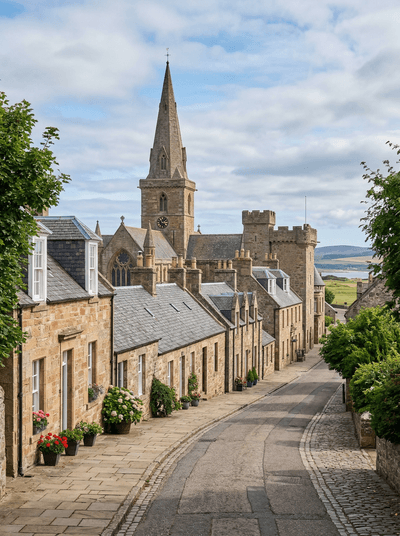
Cobblestoned lanes so steep and crooked even the houses lean in to listen.

Shell Grotto, Margate
England
Millions of shells arranged in unexplained mosaics beneath a mundane street — origin unknown.

Abydos
Egypt
Temple paint vivid after thirty-three centuries, concealing an underground granite chamber that still puzzles archaeologists.

São Luís
Brazil
Entire streets tiled in Portuguese azulejos, crumbling colonial facades baking in equatorial heat.

Serengeti National Park
Tanzania
Two million hooves drum the plains in a migration so vast the earth trembles.

Ngorongoro Crater
Tanzania
A volcanic caldera so vast it holds its own weather, elephants dwarfed to ants below.

Stone Town
Tanzania
Carved teak doors line alleys thick with clove and cardamom, muezzin calls drifting from coral minarets.

Mount Kilimanjaro
Tanzania
Glaciers clinging to the equator, five climate zones stacked vertically from jungle floor to arctic summit.